China’s hemp supply chain includes manufacturers with different capabilities, documentation standards, and product specifications. This guide examines ten suppliers associated with Pure Hemp Cbd Oil, focusing on details that buyers can verify rather than promotional claims. A polished website is not proof of consistent quality. Details matter.
For each company, readers should assess product range, manufacturing experience, ingredient traceability, and communication practices. Request recent, batch-specific certificates of analysis from qualified laboratories, and check whether they cover cannabinoid content, residual solvents, pesticides, heavy metals, and microbial contaminants. Confirm that the stated hemp source and extraction method match the product documentation. Small discrepancies deserve questions.
Supplier suitability also depends on intended use, order volume, packaging needs, and destination-market requirements. Rules for hemp-derived products differ across jurisdictions and can change, so buyers should obtain current professional guidance before placing orders or making product claims. This overview is not a certification or endorsement of any company. Supplier information may change, and public records can be incomplete. That is worth remembering. Treat the ranking as a starting point for independent checks, sample evaluation, and direct discussions with each supplier. A careful comparison can reveal meaningful differences, but no list can replace your own due diligence.
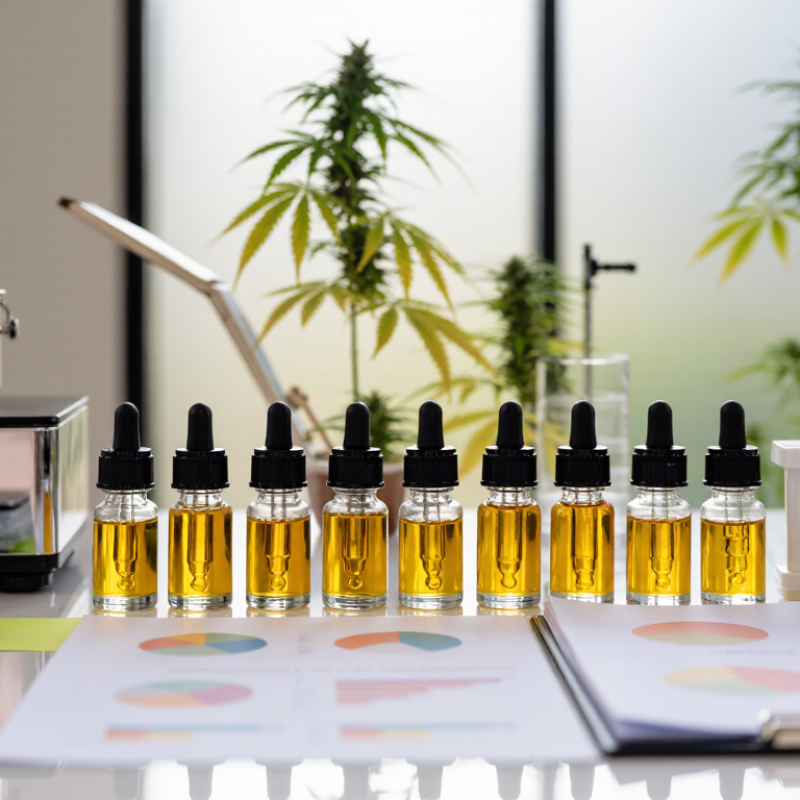
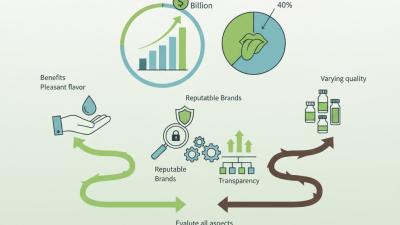
“Pure hemp CBD oil” is a product description, not a universally fixed purity grade. It usually means cannabidiol-rich hemp extract blended with a carrier oil, such as MCT or hemp seed oil. Hemp seed oil alone is not CBD oil. Buyers should check the CBD amount per serving, the full cannabinoid profile, and whether “pure” refers to the extract or the finished blend. The distinction matters. Grand View Research estimated the global hemp-derived CBD market at USD 4.6 billion in 2022; that market figure signals demand, but does not verify any supplier’s quality.
Production begins with traceable hemp material and documented batch records. In authorized facilities, producers extract and refine the plant material, then blend the extract to a specified concentration. Independent laboratory testing should identify CBD and other cannabinoids, and screen for contaminants such as residual solvents, pesticides, and heavy metals. A certificate of analysis should match the batch number on the product. USDA’s 2023 National Hemp Report recorded 28,314 U.S. hemp acres planted in 2022 across different crop uses; this is not a measure of Chinese output, but shows why raw-material type must be stated clearly. The label can still mislead. I would treat vague “full purity” claims with caution and ask for batch-specific results and validated test methods.
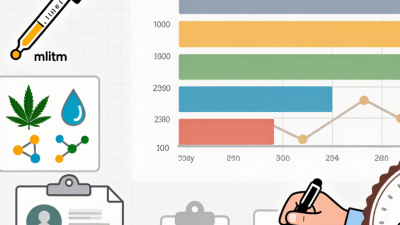
“Pure hemp CBD oil” is not a single standardized formulation. Hemp-derived CBD extract is commonly refined and blended with a carrier oil; it is different from hemp seed oil, which is pressed from seeds. The chart compares typical cannabinoid presence in three extract types. Values are categorical: 1 = typically present; 0 = typically absent or removed—not measured concentrations. Product profiles vary, so check the product’s certificate of analysis (COA).
Production generally involves hemp biomass preparation, extraction, refinement, formulation with a carrier oil, and laboratory testing. A COA can help verify cannabinoid content and test results for a specific batch.
A useful ranking of Chinese pure hemp CBD oil suppliers should begin with verifiable evidence, not polished product photos. Check whether each supplier can trace hemp inputs to documented farms and connect each finished batch to a production record. Ask for current, batch-specific certificates of analysis from an independent laboratory. These should identify the tested sample, methods, and measured cannabinoid levels. Details matter.
Quality controls deserve close inspection. Compare testing for pesticides, heavy metals, residual solvents, and microbial contaminants, where relevant to the product and destination market. Review extraction and storage practices, too: clear process records and sealed, light-resistant containers offer practical evidence of care. A single certificate is not enough. Ask how often testing occurs and what happens when results fall outside specifications.
Ranking criteria should also include consistent batch quality, responsive technical support, realistic lead times, and complete export documentation. Confirm that the product and its shipment meet requirements in the intended market; rules differ, and suppliers should not make sweeping compliance promises. Facility audits and customer references can add useful context, though neither guarantees future performance. Some evidence may remain incomplete. A transparent supplier explains the gap and provides a way to verify claims before a purchasing decision.
This is a supplier-evaluation rubric, not a verified ranking of named companies. Scores and weights below are suggested assessment criteria; buyers should verify each supplier’s current documents, facilities, and product data independently.
| Rank | Evaluation criterion | Weight | Evidence to request | How to assess |
|---|---|---|---|---|
| 1 | Batch-specific third-party testing | 18% | Recent certificate of analysis (COA) from an identified laboratory, linked to the product batch. | Check the batch identifier, test date, methods, and reported results; confirm the report with the laboratory where possible. |
| 2 | Cannabinoid profile and product definition | 14% | Product specification stating CBD content, other measured cannabinoids, and whether the oil is isolate-based, broad-spectrum, or full-spectrum. | Compare the specification with the COA and label; do not treat “pure hemp CBD oil” as a precise technical classification without a definition. |
| 3 | Contaminant testing | 12% | Applicable test results for pesticides, heavy metals, residual solvents, and microbiological contaminants. | Review actual analytes, methods, units, and acceptance limits against the buyer’s destination-market requirements. |
| 4 | Raw-material traceability | 11% | Documented origin and lot records for hemp material, extract, and finished product. | Check that records connect input lots to production batches and finished-goods labels. |
| 5 | Manufacturing and quality-system documentation | 10% | Current facility and quality-system documents, such as applicable GMP or ISO certificates, with issuing body and scope. | Verify certificate validity, facility address, covered activities, and whether the document applies to the product being offered. |
| 6 | Extraction and processing transparency | 9% | Written description of extraction, purification, carrier-oil blending, and relevant process controls. | Look for a clear, consistent process description and appropriate residual-solvent testing where relevant. |
| 7 | Batch consistency and change control | 8% | Specifications, multiple batch COAs, and documented procedures for product or process changes. | Compare batches for reported CBD content and quality attributes; ask how out-of-specification results are handled. |
| 8 | Export and destination-market readiness | 7% | Relevant shipping documents and product information needed for the intended destination and buyer’s import process. | Confirm requirements with qualified import, customs, and regulatory advisers; requirements vary by destination and product. |
| 9 | Packaging, labeling, and shelf-life support | 6% | Packaging specifications, proposed label details, storage conditions, and supporting stability or shelf-life information. | Check product identity, batch coding, stated contents, storage guidance, and label suitability for the destination market. |
| 10 | Auditability and corrective-action process | 5% | Audit or assessment access, complaint-handling procedure, recall process, and corrective-action records where available. | Assess whether issues can be investigated, documented, and followed through to a corrective action. |
| Total suggested weighting | 100% | Use the same evidence checklist for every candidate supplier. | ||
Suggested scoring: rate each criterion from 0 (no acceptable evidence) to 5 (strong, independently verifiable evidence), then apply the listed weight. This framework does not establish product legality or replace destination-specific regulatory review.
Top 10 Pure Hemp CBD Oil Suppliers in China
A reliable Top 10 shortlist should reflect verifiable quality, not polished sales pages. Ask each supplier for recent, batch-specific laboratory reports from an independent testing facility. Check cannabinoid content, contaminant screening, and whether the report matches the product lot. Pure hemp CBD oil should not be confused with hemp seed oil, which is a different product. Clear ingredient labels matter.
Tips: Request a small sample and compare its label with the test report. Ask how the supplier tracks batches, stores oil, and handles quality complaints. Confirm that product documentation and intended use meet requirements in your destination market. A certificate alone is not enough. Even a polished report can miss a weak batch, so verify the testing facility and report details yourself.
When comparing ten potential suppliers, consider production consistency, traceability, transparent communication, and stable packaging that protects oil from light and heat. Ask for realistic lead times and written specifications before placing an order. Be cautious of unusually broad claims or prices that seem too good to be true. Rankings can change as facilities, processes, and documentation change; I would recheck the evidence before treating any supplier as a lasting top choice.
Supplier profiles are most useful when they connect product details with verifiable documents. For each of ten China-based candidates, compare broad-spectrum or isolate offerings, carrier oils, batch sizes, and stated cannabinoid content. Grand View Research’s CBD market analysis estimated the global market at US$7.59 billion in 2023, with a projected 16.2% compound annual growth rate from 2024 to 2030. That figure gives market context, not evidence that any supplier meets a buyer’s specifications. Ask for a recent batch certificate of analysis showing identity, potency, and contaminant screening. Check that the sample’s lot number matches the report.
Certifications and export records need the same scrutiny. ISO 9001 can indicate a documented quality-management system; it does not certify the oil itself. Confirm certificate scope, issuer, and validity, and request facility-level food-safety documentation where relevant. UN Comtrade’s broad product classifications do not offer a clean, stand-alone series for every CBD-oil grade, so export claims deserve shipment-level support. Request redacted invoices, destination records, and packaging photos showing sealed drums, labels, and lot codes. Proof matters. A polished certificate scan is helpful, but it cannot replace traceable batch records. Small gaps count. Some supplier pages also leave extraction method or testing frequency unclear; record those omissions rather than treating them as assurances.
Choosing a pure hemp CBD oil supplier requires checking the product, not just a polished website. Ask for a current certificate of analysis (COA) tied to the exact batch you may purchase. It should identify the sample, test date, cannabinoid profile, and screening for pesticides, heavy metals, residual solvents, and microbes. Confirm that an independent laboratory performed the tests and can explain its methods. Also request traceability from raw hemp material to finished oil, plus facility quality records. Good records matter.
Tips: Compare the COA with the product specification and invoice. Check that the sample name and batch number match. A useful benchmark comes from a 2017 JAMA study of 84 online CBD products: only 30.95% were accurately labeled for CBD content. The study covered retail products, not Chinese suppliers, so it is a warning about verification—not a direct supplier ranking. Ask for a fresh sample and independent testing if documents seem vague.
Review the supplier’s manufacturing controls, audit history, complaint handling, and ability to keep batches consistent. Request clear answers about whether the material is CBD extract or hemp seed oil; these are not interchangeable ingredients. Check packaging seals and inspect a sample for leaks, sediment, or an unusual odor. Paperwork can mislead. I would also compare several batches, because one good report does not prove consistent production. Verify the supplier’s current product specifications and export documentation for your intended market before placing a large order.