Leave Your Message

How to Choose Pure Hemp CBD Oil Suppliers

Choosing a Pure Hemp Cbd Oil supplier is not a packaging decision. It is a quality check that begins before a bottle reaches the shelf. Buyers should look for clear ingredient lists, batch-specific certificates of analysis, and testing from an independent laboratory. A polished website is not evidence.

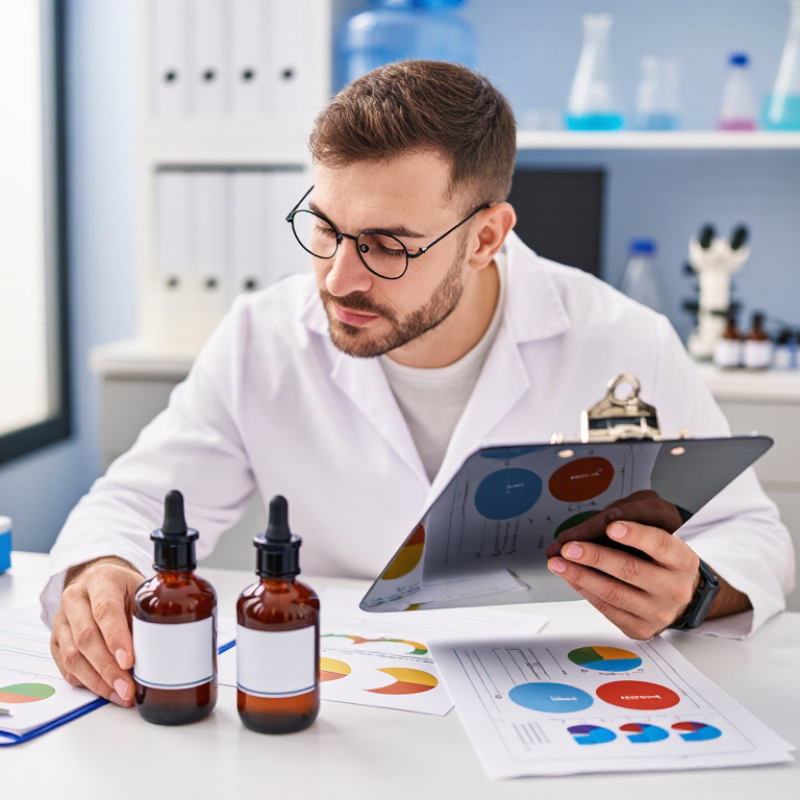
Dr. Ethan Russo, a physician and cannabis researcher, has emphasized the importance of understanding cannabinoid composition. In paraphrase, his work points to a useful supplier-selection rule: verify what each batch contains instead of relying on broad marketing claims. That distinction matters when two amber bottles look nearly identical but their test records tell different stories.

Ask whether the certificate matches the product’s batch number. Check that it reports cannabinoid levels and screens for contaminants, such as pesticides, heavy metals, and residual solvents. Confirm that the supplier can explain its hemp sourcing, extraction method, storage conditions, and quality controls in plain language. Specific answers build confidence. Vague assurances do not.

Look for consistent records over time, not just one impressive report. Note whether customer support answers technical questions without promising medical outcomes. Those details reveal how a supplier handles responsibility when scrutiny begins.

No single document guarantees a perfect product. Reports can be incomplete, outdated, or difficult to interpret. That deserves a second look. This guide explores practical ways to compare suppliers, read testing documents, and spot gaps before making a purchase. The goal is simple: choose with evidence, patience, and realistic expectations.
How to Choose Pure Hemp CBD Oil Suppliers

Understanding What Pure Hemp CBD Oil Means

“Pure hemp CBD oil” sounds precise, but “pure” can mean different things. CBD oil usually combines hemp extract with a carrier oil, such as hemp seed or coconut oil. The extract may be full-spectrum, broad-spectrum, or CBD isolate; these terms describe its cannabinoid profile, not overall quality. Pure does not automatically mean stronger or better. Check the label for CBD per serving and the ingredient list.

Independent testing can help clarify what is actually in the bottle. A 2017 JAMA study tested 84 CBD products sold online: 31% were accurately labeled for CBD content, 43% contained more than stated, and 26% contained less. The study was limited to its sample and does not describe every supplier today. Still, it shows why a clear label alone may not be enough.

Tips: Ask for a batch-specific certificate of analysis from an independent laboratory. Match its batch number to the bottle, and check CBD content alongside screening for pesticides, heavy metals, and residual solvents. Read carefully. If “pure” appears without a defined extract type or test results, the claim leaves important questions unanswered.
Evaluating Hemp Sources and Extraction Methods

Choosing a pure hemp CBD oil supplier starts with the field, not the bottle. Ask where the hemp was grown, which cultivar was planted, and whether harvest lots can be traced to farms. USDA NASS reported 28,314 outdoor hemp acres harvested in 2022 and 27,680 in 2023. The figures show a changing supply base, not consistent quality. Acreage alone proves little.

Ask suppliers how they assess soil and water conditions, and whether they retain harvest records. These details help explain variation between batches. Extraction matters, too. Carbon dioxide and ethanol processes can both produce usable extracts, but the method alone cannot confirm purity. Not automatically better. Ask how the supplier removes residual solvents and preserves a documented chain from plant material to finished oil.

Review a batch-specific certificate of analysis from an independent laboratory. Check that it identifies the sample, reports cannabinoid levels, and includes relevant contaminant testing. AOAC International’s analytical methods provide a useful reference when assessing how clearly a laboratory describes its testing. A clean-looking certificate is not the whole story. Confirm the report matches the lot you are evaluating; paperwork can be incomplete, and that deserves scrutiny. When possible, compare records across several batches rather than relying on one polished sample.

How to Choose Pure Hemp CBD Oil Suppliers - Evaluating Hemp Sources and Extraction Methods

Evaluation Dimension What to Verify Strong Evidence Potential Warning Sign
Hemp source and traceability Ask where the hemp was grown, which plant material was used, and whether each production lot can be traced to its source. Lot-specific records identify the crop origin, harvest or processing lot, and chain of custody. Vague origin information or no link between the finished oil and its source material.
Plant material Confirm that the CBD extract comes from hemp flower or aerial plant material rather than hemp seeds alone. Product specifications clearly distinguish CBD-rich hemp extract from hemp seed oil. The product is described as CBD oil but documentation shows only hemp seed oil. Hemp seeds do not naturally contain meaningful CBD.
Extraction method Ask whether extraction uses supercritical carbon dioxide, food-grade ethanol, or another method, and how the extract is refined. The supplier explains the process and provides relevant residual-solvent testing when solvents are used. The method is undisclosed, or solvent-related test results are unavailable when relevant.
Independent laboratory testing Request a certificate of analysis (COA) for the specific batch being purchased and check the report date and sample identification. A laboratory independent of the supplier reports cannabinoid results and contaminant testing for the matching lot. A generic, outdated, or incomplete COA that cannot be matched to the product lot.
Cannabinoid profile and THC Compare measured CBD and other cannabinoid amounts with the label. Check THC results and the applicable limit in the intended market. The COA reports measured values, units, and the tested sample; label claims are consistent with those results. Only marketing claims are provided, or THC is not addressed for a product marketed as THC-free or compliant.
Contaminant screening Check whether testing covers relevant pesticides, heavy metals, microbial contaminants, and residual solvents. Reports show test methods, results, and acceptance limits appropriate to the product and destination market. Claims such as “clean” or “pure” are unsupported by test results.
Product type and formulation Determine whether the extract is full-spectrum, broad-spectrum, or CBD isolate, and review the carrier oil and other ingredients. Specifications define the extract type, list ingredients, and disclose measurable cannabinoids without implying that all types are identical. Unclear extract terminology, undisclosed ingredients, or unsupported claims that a formulation guarantees a particular effect.
Quality systems and consistency Ask how the supplier controls production, keeps batch records, handles deviations, and ensures consistency between lots. Written quality procedures and records support repeatable specifications and traceable batch release. No documented quality process or inability to provide consistent specifications across batches.
Packaging and storage Review whether packaging protects the oil from light and whether storage and shelf-life guidance are provided. Packaging is sealed and light-resistant, with clear storage instructions and a stated best-before date. No lot code, storage guidance, or shelf-life information.

Note: Testing requirements and THC limits vary by jurisdiction. Verify current local rules and review the COA for the exact batch before purchasing.

Checking Third-Party Testing and Product Quality

How to Choose Pure Hemp CBD Oil Suppliers

Checking Third-Party Testing and Product Quality

A careful supplier should make recent, batch-specific laboratory reports easy to find. A certificate of analysis should match the lot number printed on the bottle, not just a similar product name. Check the report date and laboratory details. Paperwork matters. Look for cannabinoid results that identify CBD content, plus screening for pesticides, heavy metals, residual solvents, and microbes. A clean result is useful, but it is not a guarantee of perfect quality.

Check whether the laboratory explains its methods and holds relevant accreditation, such as ISO/IEC 17025. The report should show actual measurements, units, and detection limits—not vague claims like “passed.” I would not treat one clean report as proof of everything. Results can vary between batches, and a confusing report deserves a question before purchase. A QR code helps, but open the report and compare its lot number yourself.

Product details matter too. Review the ingredient list for the carrier oil, added flavorings, and clear serving measurements. The bottle label and lab report should tell a consistent story. Ask how the oil is stored and whether the supplier checks packaging seals and expiry dates. These checks take a few minutes. They may still miss issues, but clear answers and traceable records make quality easier to assess.

Comparing Supplier Transparency and Business Practices

When comparing pure hemp CBD oil suppliers, look beyond polished claims. Ask for a certificate of analysis tied to the exact batch number on the bottle. Check that it identifies the laboratory, test date, CBD concentration, and screening methods. Independent testing is useful, but it is not a magic stamp. A supplier should explain results in plain language and provide a way to verify the report. Also inspect ingredient lists, sourcing details, and procedures for handling quality complaints. A real person should answer specific questions.

Label accuracy deserves attention. A 2017 JAMA study by Bonn-Miller and colleagues tested 84 CBD products sold online. Only 30.95% were accurately labeled for CBD content; 26.19% contained less than stated, and 42.85% contained more.

The sample was limited and does not describe every supplier today. Still, it shows why batch-level evidence matters. Compare the declared CBD amount with the lab result, and check whether testing covers contaminants as well as potency. Ask how often batches are tested and what happens when results fall outside specifications. Some supplier pages leave these details vague. That should prompt another question, not an assumption.

Assessing Pricing, Compliance, and Long-Term Reliability

A supplier’s price is only useful when the details match. Compare the cost per bottle, minimum order, packaging, freight, and payment terms. Ask what testing and quality checks are included. A very low quote may omit steps that matter later. I have learned to ask for recent, batch-specific certificates of analysis, not just a sample report. Check that the report identifies the product and covers cannabinoid content and relevant contaminants. Documentation should be clear, dated, and traceable to the lot being purchased. Requirements for labeling and product documentation can vary by market, so confirm them with qualified local advisers. A polished PDF is not proof on its own.

Long-term reliability appears in small routines. Does the supplier answer technical questions promptly? Can it explain how it handles delayed shipments, product changes, or inconsistent test results? Ask for written specifications and change notifications before placing a large order. Keep records of quotes, reports, and delivery dates; patterns become easier to spot. One practical test: place a modest initial order and assess whether the delivered goods match the agreed specifications. I still leave room for judgment. Documents can be current while day-to-day operations change, so periodic checks remain worthwhile.