Why Choose Pure Natural CBD Oil for Global Buyers?
For global buyers, choosing Pure Natural Cbd Oil requires more than attractive packaging or a botanical label. It requires evidence, careful sourcing, and respect for different national standards. A responsible product should disclose its hemp source, extraction method, batch number, and independent laboratory results. Buyers should also check cannabinoid content, contaminant screening, and applicable THC requirements before placing an order. Rules differ widely between countries. Compliance is never automatic.
Dr. Ethan Russo, a neurologist and cannabis researcher, has stated, “The endocannabinoid system is involved in virtually every aspect of human health.” His observation supports careful scientific interest, not exaggerated promises. Pure Natural Cbd Oil should therefore be presented as a wellness product, not a guaranteed treatment. Clear information matters more than dramatic claims.
Look closely.
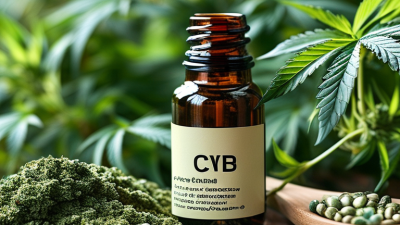
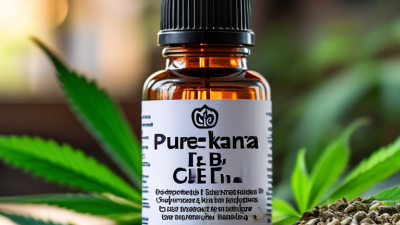
A reliable supplier explains how the oil is produced, stored, and tested. For example, a sealed amber bottle, a traceable batch report, and a readable ingredient list can reveal more than polished advertising. Full-spectrum, broad-spectrum, and isolate products may serve different preferences, but “natural” does not automatically mean safer or better. That is an uncomfortable point. Even experienced buyers can overlook dosage guidance, allergies, carrier oils, or import restrictions.
This article examines why global customers consider Pure Natural Cbd Oil, while asking a harder question: can a product be natural, consistent, transparent, and legally suitable at the same time? The answer depends on verifiable quality, responsible communication, and informed purchasing decisions.
What Pure Natural CBD Oil Means
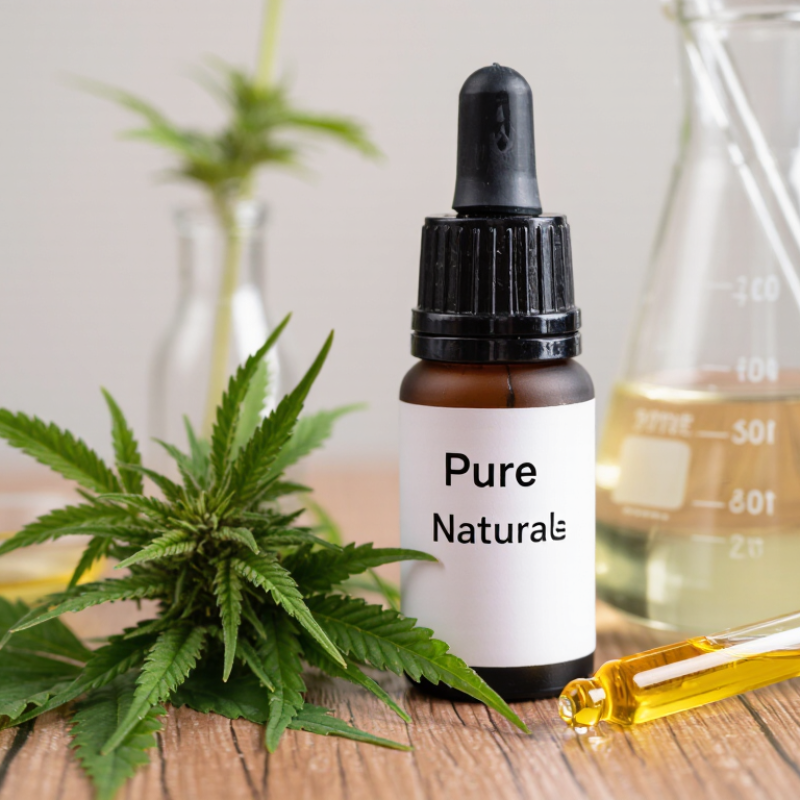
What does “pure natural CBD oil” really mean? It should describe a carefully produced extract, not a romantic label. The CBD comes from hemp cultivated under documented agricultural standards. Producers should explain the plant source, extraction method, carrier oil, and batch identity. Natural does not automatically mean safe or consistent. That assumption deserves scrutiny. A reliable product also shows independent laboratory testing for cannabinoid content, pesticides, heavy metals, solvents, and microbial contamination. Clear reports matter more than green packaging.
From my product-review experience, transparency is the most useful quality signal. A trustworthy supplier provides a certificate of analysis matching the bottle’s batch number. The label should state CBD quantity per serving, total volume, ingredients, storage guidance, and expiry date. It should avoid unsupported health promises. Pure oil can vary in color, flavor, and texture because crops and processing conditions differ. That variation is normal, but unexplained variation is not. Global buyers should check import rules, documentation needs, and permitted cannabinoid limits. Requirements differ widely. They can change.
Tips: Ask for recent, batch-specific lab results before ordering. Confirm that the carrier oil suits your intended formulation. Review the safety data sheet when required. Start with a small, documented shipment. Keep invoices and test records. I would not rely on the word “natural” alone; it sounds reassuring, but it is not a complete quality standard.
Key Benefits of Choosing Pure Natural CBD Oil
Why Choose Pure Natural CBD Oil for Global Buyers?
Pure natural CBD oil appeals to global buyers because quality begins with transparent sourcing. Plants should come from traceable farms with responsible growing practices. The oil should contain clearly listed ingredients and no unnecessary dyes, fragrances, or fillers. “Natural” sounds reassuring, but it is not enough evidence. Buyers need current laboratory reports showing cannabinoid content, contaminants, heavy metals, pesticides, and microbial safety. Independent testing matters. So does batch identification. A reliable supplier should explain extraction methods and storage conditions in plain language.
Tips: Check the certificate of analysis before ordering. Compare the batch number with the product label. Review local import rules, THC limits, labeling duties, and product restrictions. Regulations differ widely. When details seem vague, pause. A low price may hide weak testing or poor storage. I would also avoid products promising cures, instant results, or guaranteed medical outcomes. CBD oil is not a substitute for professional healthcare advice, especially for people taking medicines or managing ongoing conditions.
For international purchasing, packaging should protect the oil from heat and direct light. Dark glass bottles and secure seals are practical details. Clear dosage information helps reduce careless use. Customer support should answer questions about testing, origin, and compliance without pressure. No label is perfect. Even experienced buyers can overlook small print. That is why careful verification remains more dependable than attractive claims.
Safety, Quality, and Legal Considerations for Global Buyers
Global buyers often choose pure natural CBD oil for its simpler ingredient profile. Yet “natural” does not automatically mean safe. The World Health Organization’s 2018 critical review found pure CBD generally well tolerated, but highlighted limited long-term evidence. That caution matters. A responsible buyer should request batch-specific laboratory reports, not rely on front-label promises.
Quality begins with traceability. The report should identify the plant source, extraction method, cannabinoid levels, and testing date. Independent analysis should check pesticides, heavy metals, solvents, microbes, and undeclared cannabinoids. Look for laboratory accreditation, validated methods, and a clear detection limit. A polished certificate can still be incomplete. I would question reports without sample numbers or laboratory contact details.
Legal review must happen before payment. The European Food Safety Authority’s assessments of cannabidiol as a novel food noted important safety-data gaps. Rules also differ on permitted ingredients, labeling, import documents, and trace cannabinoid limits. Some destinations may require prior authorization, even when products are legally sold elsewhere. Check the destination regulator, customs guidance, and current product category. Never assume one certificate creates global compliance. That assumption is risky, and sometimes expensive.
How to Evaluate Suppliers and Purchase CBD Oil Internationally
Why Choose Pure Natural CBD Oil for Global Buyers?
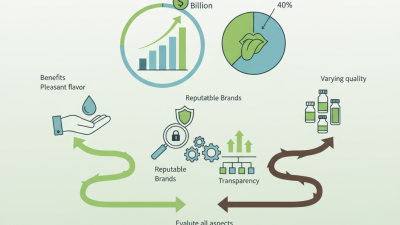
Pure natural CBD oil may appeal to buyers seeking simple ingredients and transparent sourcing. However, “natural” is a description, not independent proof of quality. International buyers should examine the supplier’s extraction method, cultivation records, and product specifications. A reliable supplier should provide recent, batch-specific certificates of analysis. These documents should identify CBD content and screen for pesticides, heavy metals, solvents, microbes, and other contaminants. Laboratory details matter. Check the testing date, sample number, and accreditation information.
Supplier evaluation also requires practical checks. Request company registration details, manufacturing certifications, insurance information, and export experience. Confirm whether the product is permitted in the destination market before payment. Rules can differ by country, region, product type, THC limits, labeling language, and import procedures. Ask who manages customs documentation and whether an importer of record is required. Never rely only on a sales promise. I once gave too much weight to attractive packaging and not enough to traceability. That was a useful mistake.
Tips: Compare at least three suppliers. Ask for a small compliant sample first. Match the batch number on the bottle with the laboratory report. Review storage temperatures, shelf life, packaging seals, and transport conditions. Keep written records of every specification and approval. If a supplier avoids clear answers, pause the purchase. A lower price can hide weak testing or costly customs problems. Get professional regulatory advice when requirements remain unclear.