How to Weigh the Pros and Cons of CBD Oil?
Interest in CBD oil has moved from wellness shelves into everyday conversations. People describe calmer evenings, easier sleep, or relief after exercise. Others notice little change, unpleasant drowsiness, or unexpected costs. These different experiences make careful evaluation necessary.
Neurologist and cannabis researcher Dr. Ethan Russo has said, “The endocannabinoid system is involved in virtually every aspect of human physiology.” His observation offers useful context, but it does not prove that CBD oil works for every person. Individual biology, product quality, dosage, existing conditions, and other medicines can influence the outcome. Evidence also differs sharply between researched uses and popular claims. That gap matters.
This guide examines the Pros And Cons Of Cbd Oil through a practical, evidence-aware lens. Potential advantages may include supporting relaxation or easing certain discomforts, but results are not guaranteed. Possible drawbacks include fatigue, digestive changes, interactions with medications, and inconsistent labeling. The bottle may look precise. The contents may not be.
Readers should check ingredient lists, independent laboratory results, and professional medical advice. A qualified clinician can review personal risks, especially during pregnancy, chronic illness, or prescription treatment. I should acknowledge one limitation: many CBD discussions rely on small studies, personal stories, or marketing language. That makes confident conclusions tempting, but premature. A balanced decision begins with modest expectations, clear questions, and honest attention to how the body responds.
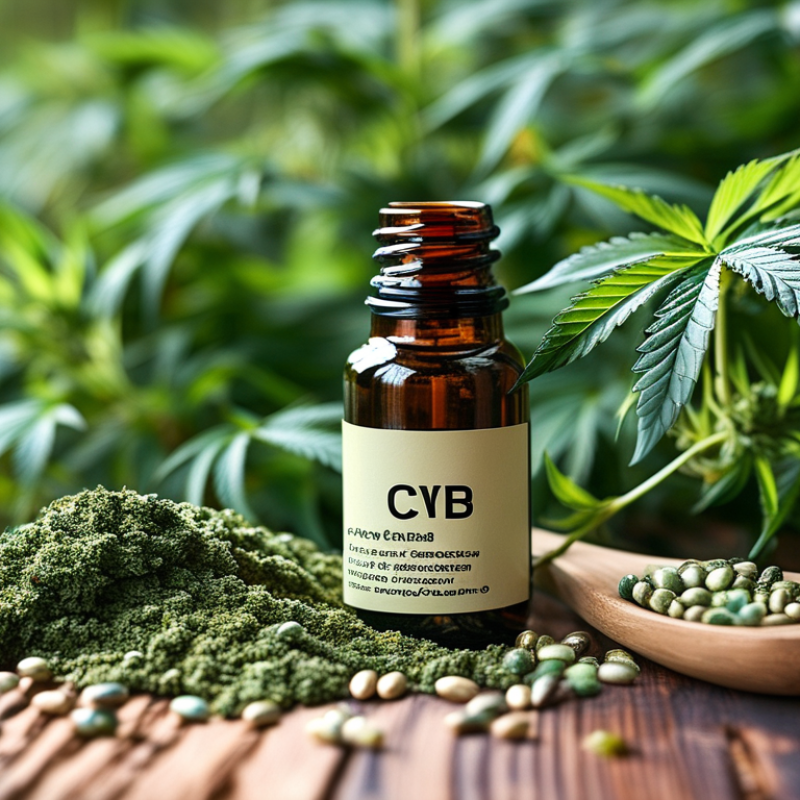
CBD oil is an extract containing cannabidiol, a non-intoxicating compound from the cannabis plant. It does not produce the typical “high” linked with THC. CBD may influence the body’s endocannabinoid system, which helps regulate pain, mood, sleep, and immune activity. The mechanism is still more complicated than many advertisements suggest.
The evidence is uneven. The 2019 National Academies report found substantial evidence for purified CBD in certain seizure disorders, but limited evidence for chronic pain and sleep problems. A 2018 World Health Organization review described CBD as generally well tolerated, while noting gaps in long-term research. That distinction matters. An oil that feels calming may not treat the cause of anxiety or insomnia. I would not treat one small study as a verdict.
The U.S. Food and Drug Administration warns that CBD can cause drowsiness, diarrhea, appetite changes, and possible liver injury. It may also interact with prescription medicines, including drugs processed by the liver. Real-world products can differ in CBD concentration, and testing may not always reflect the label accurately. A 2023 FDA consumer update stresses these safety concerns. People with liver disease, pregnancy, or ongoing medication use should seek medical advice before trying CBD oil. Keep the bottle away from children and record any changes in sleep, mood, or digestion. Personal experience can be useful, but it remains imperfect evidence.

CBD oil is often discussed for easing anxiety, improving sleep, and reducing discomfort. The evidence is promising, but incomplete. The World Health Organization’s 2018 expert review described CBD as generally well tolerated in controlled research. It also noted possible value for epilepsy and anxiety-related conditions. These findings do not prove that every oil works equally well.
Pain relief needs careful wording. The National Academies’ 2017 report found substantial evidence for some cannabinoid medicines in chronic pain. However, it did not establish the same strength of evidence for CBD oil alone. A user may notice fewer restless nights or easier movement. That experience matters, but it can be shaped by expectation, sleep habits, or other treatments. A quiet evening is not proof.
Product quality creates another concern. A 2017 JAMA study tested 84 CBD products and found that only 31% were accurately labeled for CBD content. Some contained more CBD than stated, while others contained less. This makes small details important: check the batch report, record the dose, and note dry mouth, dizziness, or stomach changes. CBD may also interact with medicines. Discuss it with a qualified clinician, especially when liver conditions or prescription treatments are involved. The potential benefit is real for some people, yet the evidence remains uneven and easy to overinterpret.
| Evaluation Dimension | Potential Benefits | Potential Drawbacks or Risks | What the Evidence Suggests | Practical Considerations |
|---|---|---|---|---|
| Pain and inflammation | Some people report relief from certain types of chronic pain or discomfort. | Relief is not guaranteed, and CBD oil may not address the underlying cause of pain. It can also delay appropriate medical care. | Research on CBD alone for pain remains limited and mixed. Evidence is not strong enough to treat CBD as a proven general pain medicine. | Discuss persistent, severe, or unexplained pain with a healthcare professional before self-treatment. |
| Anxiety and stress | CBD may help some users feel calmer, and it does not produce the intoxicating “high” associated with THC. | It may cause tiredness, changes in mood, or worsening anxiety in some individuals. | Small studies have reported possible effects on anxiety, but high-quality evidence for routine use is still insufficient. | Do not use CBD as a substitute for prescribed treatment, psychotherapy, or urgent mental-health support. |
| Sleep | Improved sleep may occur indirectly if CBD reduces discomfort or stress. | CBD can cause drowsiness, but it may not improve sleep quality or correct the cause of insomnia. | Evidence for CBD as a standalone sleep treatment is limited; results vary by person and condition. | Avoid driving or operating machinery until you know how it affects you. Review ongoing insomnia with a clinician. |
| Seizure disorders | Purified, prescription cannabidiol has a documented role in treating certain rare seizure disorders. | Non-prescription CBD oils are not equivalent to prescription cannabidiol and may vary in strength or purity. | Strong evidence applies to specific prescription formulations and specific conditions under medical supervision, not to all CBD products. | Never replace or change anti-seizure medication without guidance from a qualified healthcare professional. |
| Side effects | Many adults tolerate CBD in short-term studies when used at studied doses. | Possible effects include diarrhea, reduced appetite, fatigue, drowsiness, and changes in liver function. | Risk depends on dose, duration, individual health, and product quality. Long-term safety data remain incomplete. | Stop use and seek medical advice if serious or persistent symptoms occur. |
| Drug interactions | A healthcare professional can sometimes help assess whether CBD is appropriate alongside existing treatment. | CBD can affect how the body processes certain medicines, including some sedatives, anticoagulants, and seizure medicines. | Clinically important interactions are possible because CBD can influence liver drug-metabolizing enzymes. | Ask a pharmacist or physician to review all prescription medicines, over-the-counter products, and supplements. |
| Product quality and labeling | A clearly labeled product with independent laboratory testing may make it easier to assess contents. | Actual CBD content may differ from the label, and products may contain unwanted contaminants or detectable THC. | Quality and regulatory oversight vary by location and product category; labeling cannot always be assumed to be accurate. | Check the ingredient list, batch-specific laboratory report, serving size, and THC information where available. |
| Pregnancy and breastfeeding | There is no established benefit that outweighs the potential safety concerns in these situations. | Safety during pregnancy and breastfeeding is not well established, and exposure to contaminants is possible. | Health authorities generally advise avoiding CBD during pregnancy and breastfeeding unless specifically directed by a qualified clinician. | Seek individualized medical advice rather than relying on “natural” or “hemp-derived” claims. |
| Overall decision | CBD may be a reasonable topic to discuss when standard options are unsuitable or when evidence supports a specific medical use. | Benefits may be modest, uncertain, or condition-specific, while cost, side effects, interactions, and product variability remain concerns. | The best-supported use is specific prescription cannabidiol for certain seizure disorders; evidence for many popular wellness claims is still developing. | Weigh the intended benefit against personal risks, product reliability, medical alternatives, and professional advice. |
Note: This table is for general educational purposes and is not a substitute for medical advice, diagnosis, or treatment.
CBD oil may seem gentle, but “natural” does not mean risk-free. Some users report less discomfort, calmer evenings, or improved sleep. Evidence remains uneven, and results can differ greatly between people. A cautious decision starts with the reason for use, the dose, and existing health conditions.
Possible side effects include dry mouth, diarrhea, reduced appetite, dizziness, and unusual tiredness. These effects can become more troubling when CBD is combined with alcohol or other sedating substances. CBD may also affect liver enzymes that process medicines. This interaction could change the strength of blood thinners, seizure medicines, antidepressants, or certain heart treatments. Never adjust prescribed medicine without professional guidance.
Extra caution is needed during pregnancy, breastfeeding, liver disease, and before surgery. Product labels may be incomplete or inaccurate, so measured dosing is not always guaranteed. That is a practical weakness worth admitting. A healthcare professional can review the oil’s ingredients, your medical history, and every medicine or supplement you take. Seek urgent care for severe rash, breathing trouble, fainting, yellow skin, or dark urine. Start with questions, not assumptions.
How to Weigh the Pros and Cons of CBD Oil?
Assessing CBD oil begins with the bottle, not the marketing language. Look for the total CBD amount and the quantity per millilitre. A clear ingredient list matters. It should identify the carrier oil, flavourings, and preservatives. Batch-specific laboratory results offer stronger evidence than vague quality claims. Check whether an independent laboratory measured CBD concentration and screened for pesticides, heavy metals, solvents, and microbes.
Read the report carefully. The batch number should match the bottle. The testing date should also be reasonably recent. A polished certificate can still be confusing. I sometimes find the units difficult to compare. That is a warning sign, not a minor inconvenience. Accredited laboratories and transparent manufacturers provide more dependable information. However, laboratory testing does not prove that CBD will suit every person.
Dosage requires patience. Calculate the CBD amount in each measured drop or millilitre. Start with the lowest labelled serving, unless a healthcare professional advises otherwise. Keep a simple record of the time, amount, effects, and unwanted symptoms. Do not increase the dose quickly. Effects may vary with body size, metabolism, food, and other medicines. Possible concerns include drowsiness, diarrhoea, and drug interactions. People who are pregnant, breastfeeding, managing liver problems, or taking prescription medicine should seek professional advice first. More is not automatically better. My own judgement would remain cautious when a product lacks current testing or makes dramatic health promises.
A practical framework starts with the reason for considering CBD oil. Write one measurable goal, such as fewer nighttime wake-ups or less exercise-related discomfort. Keep the question simple. Then check the evidence for that goal, not for CBD in general. Clinical findings vary by condition, product strength, and study quality. Some adults report calmer evenings, but personal reports do not prove effectiveness. Benefits may be modest. Ask a qualified clinician or pharmacist about medicines, pregnancy, liver disease, and persistent symptoms. CBD can cause drowsiness, diarrhea, appetite changes, or interactions with medicines. Avoid replacing prescribed care without professional guidance.
Treat the bottle as evidence requiring verification. Read the CBD amount per serving, ingredients, batch information, storage instructions, and warning statements. Independent laboratory results should identify cannabinoid content and unwanted contaminants. If unavailable, confidence should fall. Compare total cost per measured dose, not bottle price. Use a low, consistent amount only if a clinician agrees, and record sleep, symptoms, side effects, and timing. A small notebook beside the bottle works well. Review the record after several days or weeks, depending on the goal. Do not drive if you feel impaired. One weakness remains: product quality and research can differ widely. That makes certainty difficult. A cautious decision may leave room to stop, adjust, or question the original goal.
An evidence-informed framework for assessing potential benefits and practical risks
The scores use a five-point qualitative scale: positive values indicate potential benefits, while negative values indicate factors that may increase concern. Evidence is strongest for prescription cannabidiol in specific seizure disorders; evidence for pain, anxiety, and sleep remains limited or mixed. Possible concerns include drug interactions, drowsiness, gastrointestinal effects, and inconsistent product quality.
CBD may interact with medicines. Discuss its use with a qualified healthcare professional, especially during pregnancy, breastfeeding, or when taking prescription medication.