Choosing a CBD oil can feel simple: compare the bottle sizes, read the label, and pick a flavor. The harder questions appear later. What does the product contain? Is the amount clearly stated? Could it interact with a medicine you already take? This guide to Pros And Cons Of Cbd Oil looks at potential benefits, limits, and practical checks without treating early research as a promise.
Evidence is uneven. Harvard physician Dr. Peter Grinspoon writes, “the strongest scientific evidence is for its effectiveness in treating some of the cruelest childhood epilepsy syndromes.” That finding concerns specific conditions; it does not prove that CBD oil relieves everyday stress, pain, or poor sleep. The distinction matters. A careful buyer should check ingredients, serving information, and available independent testing, then discuss possible interactions with a qualified health professional. A polished label is not proof of quality.
The pros may include a non-intoxicating profile and a growing body of research, but “non-intoxicating” does not mean risk-free. Some people report side effects, and product contents can differ from what a label suggests. A dropper marked in milliliters, for example, does not tell you the CBD amount unless the concentration is also clear. That detail is easy to miss. This overview weighs the appealing claims against uncertainty, safety considerations, and everyday buying decisions. It also leaves room for doubt: evidence can change, and a confident marketing claim may still outrun the science.
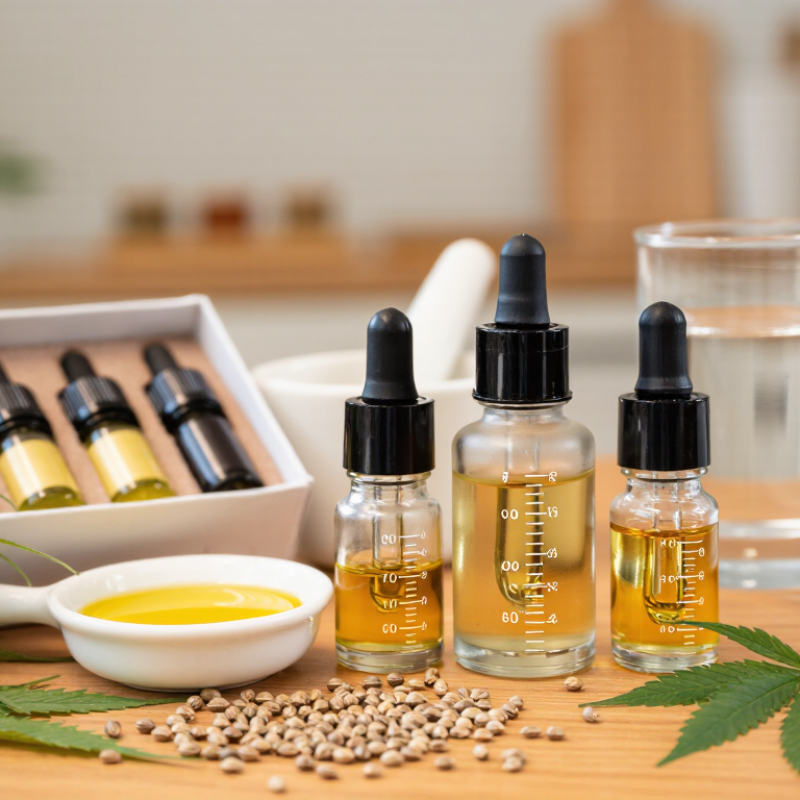
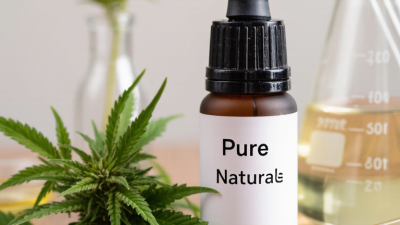
CBD oil is an oil containing cannabidiol, or CBD, a compound found in the cannabis plant. It is commonly made from hemp plant material, including flowers and leaves. CBD is different from THC, another plant compound associated with intoxicating effects. Products can still vary in their exact composition. The word “oil” usually describes CBD blended into a carrier oil, such as hemp seed or MCT oil. It does not tell you how concentrated the CBD is.
Making CBD oil involves separating CBD-rich material from the plant, then refining and blending it. Producers may use carbon dioxide or food-grade ethanol for extraction. Each method has trade-offs, and careful processing matters. The extract may be filtered to remove waxes and other plant material before it is mixed with carrier oil. A finished bottle should identify its CBD amount and provide access to independent laboratory results. Those results can help buyers check potency and screen for contaminants. Look closely. Labels can be confusing. Extraction alone does not guarantee a consistent product, and testing details may differ between batches. A clear process is useful, but it is not proof that CBD will suit every person.
| Topic | What Buyers Should Know | Potential Benefit or Advantage | Limitation or Caution |
|---|---|---|---|
| What CBD oil is | CBD oil generally combines cannabidiol (CBD), a compound from cannabis plants, with a carrier oil such as hemp-seed, MCT, or olive oil. Product formulas vary. | Oil-based formulas can be measured in drops and may be taken by mouth, depending on the product label. | “CBD oil” is not a single standardized formula. CBD concentration, other plant compounds, and serving sizes can differ substantially. |
| How it is made | Manufacturers typically extract plant compounds from cannabis material, then process the extract and blend it with a carrier oil. Extraction methods can include carbon dioxide or solvent-based processes. | Extraction and formulation allow producers to create products with different CBD concentrations and ingredient profiles. | The method alone does not prove a product is safe or high quality. Manufacturing controls and independent testing also matter. |
| Common product types | “Full-spectrum” products may contain CBD and other cannabis compounds, including trace THC; “broad-spectrum” products are generally made to remove THC; “CBD isolate” is primarily purified CBD. | These categories give buyers a general way to compare ingredient profiles. | Definitions and actual contents can vary. Check the ingredient list and a recent product-specific laboratory report rather than relying on the category name. |
| Potential pros | CBD is being studied for several possible health effects. Evidence and permitted medical use depend on the condition and product; one prescription cannabidiol medicine is approved in the United States for certain seizure disorders. | Research may help clarify where cannabidiol has a role in medical care. | Evidence for many non-prescription CBD products and commonly advertised uses remains limited. Do not treat general wellness claims as proof of effectiveness. |
| Potential cons | Reported side effects can include sleepiness, diarrhea, changes in appetite, and fatigue. CBD can also interact with medicines. | Knowing possible side effects can help buyers discuss risks with a qualified healthcare professional. | CBD may affect how some medicines are processed. Ask a healthcare professional before use, especially when taking prescription drugs or managing a health condition. |
| THC and impairment | Some CBD products may contain THC, the intoxicating compound in cannabis, including when the amount is small or differs from the label. | Checking a batch-specific laboratory report can help clarify reported THC content. | THC may cause impairment and may create risks for driving, workplace testing, or compliance with local rules. “THC-free” claims should be verified against test results. |
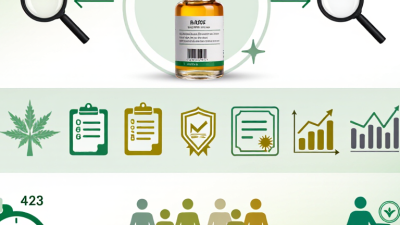
| Quality checks | Look for a recent certificate of analysis (COA) from an independent laboratory that matches the product and batch. It should report CBD and THC levels and may include tests for contaminants. | Transparent testing can help buyers compare stated contents with laboratory findings. | A COA is only useful if it is authentic, batch-specific, and sufficiently detailed. Testing does not establish that a product treats or cures a condition. |
| Label and dose | Compare the total CBD in the container with the amount per serving, and review all ingredients and use directions. | Clear serving information makes products easier to compare and helps avoid confusing total contents with a single serving. | There is no universally appropriate dose for every person or purpose. Follow professional advice and the product label; do not assume more is better. |
| Regulation and claims | Rules for CBD products differ by country and region. In the United States, federal rules for foods, supplements, cosmetics, and therapeutic claims are not interchangeable. | Checking local rules and the product’s intended use can help buyers make a more informed choice. | Be cautious of claims that a product diagnoses, treats, cures, or prevents disease. Such claims require appropriate regulatory authorization. |
| Bottom line | CBD oil is a variable product category, not a guaranteed treatment. Its contents, evidence base, and legal status depend on the specific product and location. | Careful label review, independent testing, and professional guidance can support safer decisions. | Seek medical advice before use if pregnant or breastfeeding, taking medication, or considering CBD for a medical condition. |