Finding trustworthy Purekana Cbd Oil Reviews takes more than scanning star ratings. A polished testimonial may sound convincing, yet reveal little about how the reviewer assessed the product. Look for specific details: the bottle size, flavor, label information, purchase date, and whether the writer describes their expectations fairly. Details matter.
A dependable review should distinguish personal experience from verified facts. Check whether claims about ingredients can be compared with the product label and a recent certificate of analysis from an independent laboratory. The report should identify the product or batch and list relevant test results, rather than offer vague assurances. If those details are missing, note the gap instead of filling it with assumptions. That is not proof of a problem, but it is a reason to ask more questions.
This guide considers reviewer transparency, evidence, and potential bias, including sponsored content and unusually repetitive praise. It also treats health-related statements carefully: individual experiences do not establish that a product prevents, treats, or cures a condition. Read the label, consider your own circumstances, and consult a qualified health professional when needed. No review can answer everything. I may overlook a useful detail, too; comparing several independent sources is a sensible way to reduce that risk.
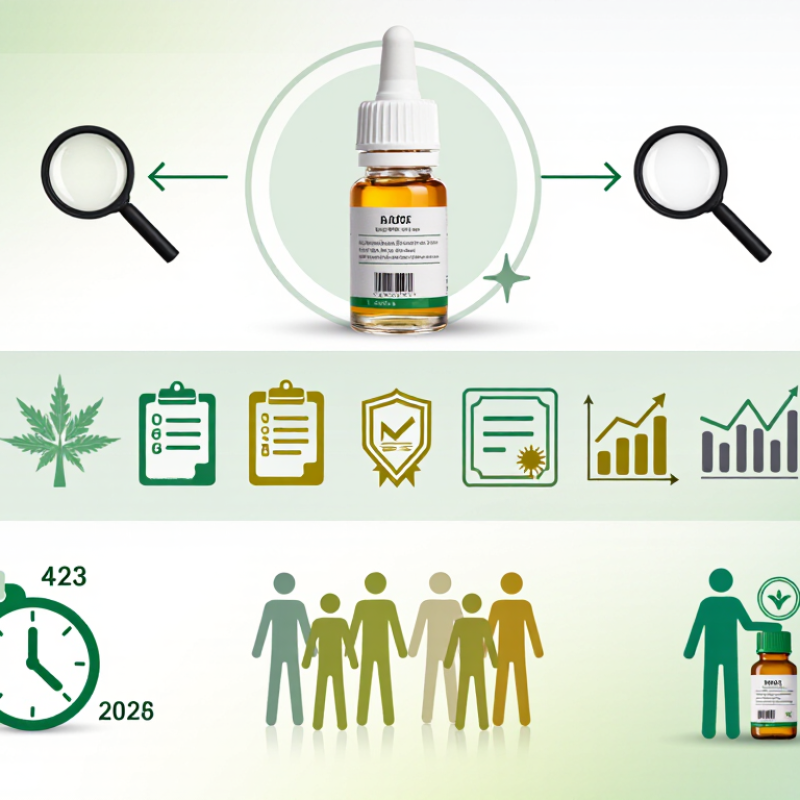
A trustworthy CBD oil review shows how its claims were checked, not just whether the bottle seemed helpful. Look for a recent certificate of analysis, or COA, tied to the exact batch being reviewed. It should list cannabinoid amounts and relevant contaminant tests. A 2017 JAMA study examined 84 CBD products sold online and found that 69% were inaccurately labeled for CBD content. That finding makes batch-specific evidence more useful than polished testimonials. Still, one study cannot describe every product on today’s market. Details matter.
Strong reviews explain the reviewer’s experience without presenting it as medical proof. They note the product format, serving size, length of use, and any changes in routine. Check whether the COA names an independent laboratory and identifies its testing standards, such as ISO/IEC 17025 accreditation. Reliable writers also disclose free samples, affiliate links, or other financial ties. Be cautious of promises to treat or cure conditions; confident wording is not evidence. Even careful reviews have limits: results vary, and a reviewer may overlook factors such as diet or other supplements. A little uncertainty can make a review more credible.
A persuasive CBD oil review should show how the writer assessed the product, not just whether they liked it. Look for details such as the purchase date, length of use, serving size, and whether the bottle’s label matched the reviewer’s description. Photos of the packaging or a dated testing document can add context, but they do not prove personal experience. Small clues matter. Does the reviewer explain what they could not verify? That kind of restraint can be more informative than sweeping promises.
Check the reviewer’s background and incentives before relying on their judgment. Relevant training may help with ingredient terminology, but professional credentials do not establish that a product works. Also look for affiliate links, free samples, sponsorship disclosures, or repeated praise across several products. The FTC’s 2023 Endorsement Guides say material connections between endorsers and sellers should be clearly disclosed. BrightLocal’s 2024 consumer survey found that 75% of respondents regularly read online reviews for local businesses; that finding is not specific to CBD, but it shows why review credibility deserves scrutiny. I would still treat one report cautiously. A reviewer may be sincere and mistaken, and a polished page can hide missing evidence. Compare independent accounts and check claims against clearly identified sources.
| Assessment Dimension | What to Check | More Trustworthy Sign | Warning Sign |
|---|---|---|---|
| Reviewer expertise | Look for relevant training or experience in areas such as pharmacy, medicine, toxicology, cannabinoid research, or laboratory testing. Verify professional credentials through an appropriate licensing or institutional directory where available. | The reviewer clearly states their qualifications and explains how those qualifications relate to the review. | Vague claims of being an “expert,” with no verifiable background or relevant experience. |
| Firsthand testing | Check whether the reviewer explains what they personally assessed, how long they used the product, and which observations are personal experience rather than scientific conclusions. | Specific, limited observations are separated from broader claims about health effects. | Personal experience is presented as proof that the product will work for everyone. |
| Financial and material connections | Look for disclosures of affiliate commissions, sponsorship, payment, gifts, free samples, or other relationships that could affect the review. | Disclosures are clear, easy to notice, and placed near the recommendation or relevant links. U.S. Federal Trade Commission guidance says material connections in endorsements should be disclosed clearly and conspicuously. | No disclosure, or a vague statement that does not explain the reviewer’s connection. |
| Review independence | Check whether the reviewer explains who selected the product, who paid for testing, and whether any outside party could review or edit the conclusions. | The review describes its process and acknowledges relevant limitations. | The review gives no information about how the assessment was funded or conducted. |
| Evidence and citations | Follow links to original research, regulator information, or other primary sources. Confirm that cited evidence actually supports the statement being made. | Claims are carefully worded, sourced, and distinguished from hypotheses or early-stage research. | Broad medical promises rely on testimonials, unsourced statements, or unrelated studies. |
| Certificate of analysis (COA) | If a review discusses lab results, check whether the report identifies the tested sample or batch, test date, laboratory, methods, and relevant analytes. | The reviewer links to a report that can be matched to the product or batch under discussion and explains what the results do—and do not—show. | A generic or undated lab report is treated as proof about every batch or as proof of health benefits. |
| Laboratory competence | Check whether the testing laboratory’s claimed accreditation can be verified with the relevant accreditation body and whether its scope covers the tests discussed. | The reviewer treats accreditation as information about laboratory competence, not as a guarantee of product effectiveness or overall safety. | Accreditation is presented as proof that a product is medically effective or risk-free. |
| Balanced coverage | See whether the review addresses uncertainties, possible limitations, and the difference between product details and evidence about CBD generally. | Advantages and limitations are both discussed, with no claim that results are guaranteed. | Only praise appears, or every concern is dismissed without evidence. |
| Review date and updates | Check when the review was published or updated and whether product information, testing documents, and cited sources are current. | The page gives a publication or update date and explains substantial changes. | An undated review makes current claims based on information that may have changed. |
A useful CBD oil review should make its evidence easy to check, not just sound confident. Look for the exact product type, serving size, ingredient list, and batch number. A clear photo of the label can help you compare those details with the manufacturer’s certificate of analysis (COA). Check the batch.
The COA should name the testing laboratory and show when the sample was tested. Review the measured CBD amount, plus screening for contaminants such as heavy metals, pesticides, and residual solvents. A polished PDF is not proof by itself; confirm that the batch number matches the bottle and that the laboratory’s methods are described. A report can still leave gaps.
A 2017 JAMA study by Bonn-Miller and colleagues analyzed 84 CBD products sold online. Only 31% had CBD amounts close to their labels; 26% contained less, while 43% contained more. Those findings make independent testing and careful label checks especially relevant. They do not establish the quality of every product today. Compare several reviews, prioritize those that link to batch-specific reports, and treat broad claims about purity or performance cautiously. If a reviewer cites a test, see whether the original report is available and legible. I find that step easy to skip, yet it often reveals missing dates or vague sample details.
How to Find Trusted CBD Oil Reviews?
Comparing Reviews Across Independent and Reliable Sources
A useful review explains the product, purchase date, serving size, and the reviewer’s expectations. Compare several independent sources, not just a seller’s website. Look for recurring details: Did the package list a batch number? Could the reviewer match it to a recent certificate of analysis? Check whether the lab identifies CBD content and screens for contaminants. A polished certificate without a matching batch number tells you less. Even careful comparison can miss something.
Gallup’s 2019 survey found that 14% of U.S. adults used CBD; among users, 40% named pain as a reason, while others cited anxiety or sleep. Those different goals help explain why ratings can conflict. They do not prove a product works. The FDA also cautions that CBD products have not been evaluated for many marketed claims. Treat dramatic promises as a warning sign, and give more weight to reviews that separate personal impressions from measurable facts.
Tips: Compare reviews from retailers, independent testing directories, and consumer organizations. Check dates and batch details. Skip comments that promise guaranteed results. If you cannot verify a claim, mark it as uncertain rather than filling in the gap.
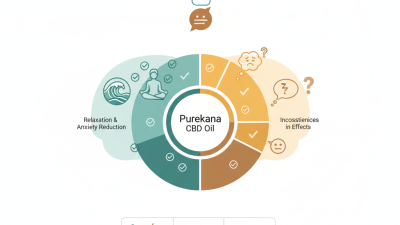
How to compare CBD oil reviews
Cross-check reviewer claims against independent lab certificates of analysis, regulator information, and reviews from more than one platform. Check that a lab report identifies the product and batch, and that review dates and potential conflicts are visible. The chart is a checklist of evidence types—not measured ratings or product-specific findings.
A review is a snapshot, not a guarantee. When assessing CBD oil feedback, check the publication date, product details, and whether the reviewer describes a specific bottle or batch. Formulas, serving sizes, and testing practices can change. A detailed review from several years ago may no longer describe what is currently sold. Look for concrete observations, such as packaging condition or whether the label matched the product received, rather than broad promises about results.
Industry data offers useful context, but not proof of product quality. BrightLocal’s 2024 Local Consumer Review Survey found that 75% of consumers regularly or always read online reviews for local businesses. That survey did not study CBD products, so its findings should not be treated as direct evidence about them. Spiegel Research Center’s 2017 analysis reported that products with five reviews had a 270% higher purchase likelihood than products with none. Review counts can influence shoppers, but they cannot establish safety or effectiveness. Dates matter.
Compare recent reviews across multiple independent platforms, and note repeated complaints as well as praise. Be cautious when many comments appear within a short period or use nearly identical wording. Reviews may be sincere, incomplete, or shaped by personal expectations. I would not treat a glowing account as clinical evidence; that distinction is easy to forget when the language sounds convincing. Check current product information and available independent testing instead.