Leave Your Message

What Are the Top Types of Turmeric CBD Oil?

Turmeric Cbd Oil has attracted attention among adults seeking plant-based wellness products, but its quality and purpose can vary considerably. Some formulas combine turmeric extract with cannabidiol, while others add black pepper extract, carrier oils, or botanical blends. The label matters.

This guide examines the main types of Turmeric Cbd Oil, including full-spectrum, broad-spectrum, and CBD isolate products. Each option has a different cannabinoid profile and may suit different preferences. Full-spectrum formulas contain multiple hemp compounds, including trace amounts of THC where legally permitted. Broad-spectrum products usually exclude detectable THC, while isolates focus on CBD alone. Turmeric itself may appear as curcumin extract, turmeric oil, or a standardized blend. These are not interchangeable ingredients.

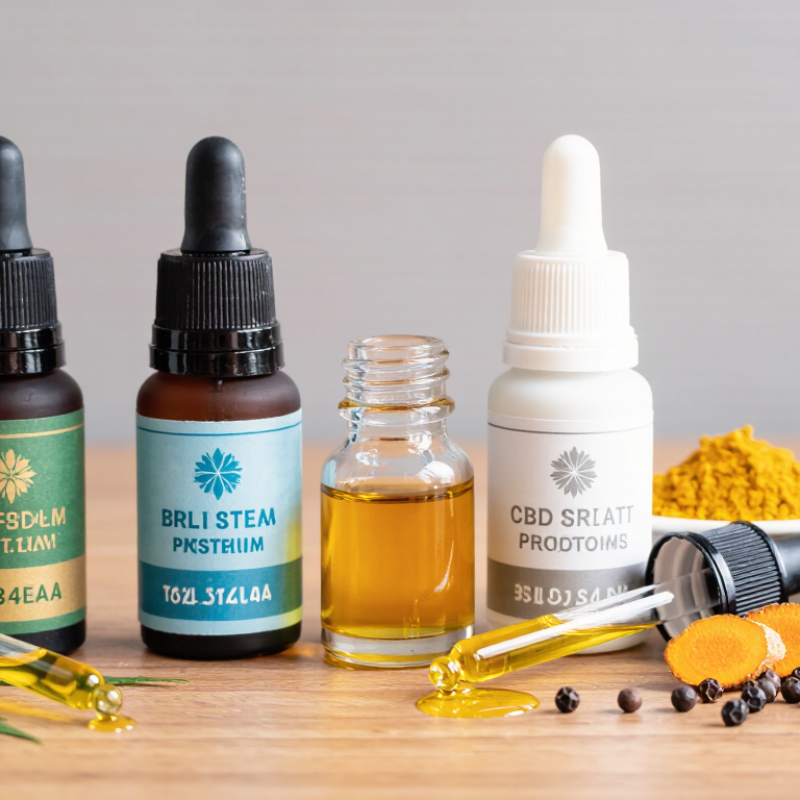
Details make a difference. Look for clear serving information, batch-specific third-party testing, and a complete ingredient list. A dark glass bottle, measured dropper, and sealed packaging can also suggest careful handling, though appearance never proves quality. Evidence remains limited for many marketing claims. That deserves honesty. Turmeric and CBD may affect people differently, and product strength can vary between brands. Certain medicines, health conditions, pregnancy, or surgery plans require professional advice before use. This article will compare formulation types, practical label checks, and important safety considerations, helping readers make a more informed and legally compliant choice. Some uncertainty remains. That is worth remembering.
What Are the Top Types of Turmeric CBD Oil?

What Is Turmeric CBD Oil and How Does It Work?

Turmeric CBD oil is a blend, not a single active ingredient. It usually combines cannabidiol (CBD), turmeric extract containing curcumin, and a carrier oil. The carrier may give the liquid a mild, earthy taste and help it spread evenly under the tongue or mix into food. Formulas differ: some contain measured amounts of both extracts, while others use turmeric flavoring rather than concentrated curcumin. Check the ingredient list.

The two ingredients are thought to work in different ways. CBD interacts with the body’s endocannabinoid system, which helps regulate several functions; it does not simply switch pain or stress off. Curcumin has been studied for its effects on inflammation-related processes, but evidence in people remains limited. Not a proven cure. Combining the extracts does not guarantee stronger results, and the amount absorbed can vary with the formula and how it is taken. This is where claims can outrun the evidence. CBD may also affect how some medicines are processed. Anyone taking prescription drugs, pregnant, or managing a health condition should ask a qualified clinician before use. Check independent testing and serving-size details, since labels can be confusing.

What Are the Top Types of Turmeric CBD Oil? - What Is Turmeric CBD Oil and How Does It Work?
Type What It Contains How It Works Key Considerations
Full-Spectrum CBD with Turmeric CBD, other naturally occurring hemp compounds, and a turmeric ingredient. Full-spectrum hemp extracts may contain trace amounts of THC within applicable legal limits. CBD interacts with the body’s endocannabinoid system and other signaling pathways. Turmeric’s curcuminoids are studied for biological activity, but the effects of combining them with CBD are not well established. Check the certificate of analysis for CBD content and THC level. THC rules vary by location, and even trace amounts may matter for some people.
Broad-Spectrum CBD with Turmeric CBD and other hemp compounds, with THC removed or reduced to non-detectable levels according to the product’s testing, plus turmeric. Provides CBD alongside other hemp-derived constituents; turmeric contributes curcuminoids or other plant components depending on the ingredient used. “THC-free” claims should be checked against independent laboratory results. Broad-spectrum products can differ in composition.
CBD Isolate with Turmeric Purified CBD combined with turmeric; CBD isolate is intended to contain CBD without the other cannabinoids found in hemp extracts. CBD is the primary cannabinoid ingredient. Turmeric is a separate botanical ingredient; there is not enough clinical evidence to confirm a special combined effect. Review the label for the amount and form of each ingredient. “Isolate” describes the CBD extract, not the turmeric.
CBD Oil with Turmeric Root Powder CBD oil mixed with ground turmeric root, which contains curcuminoids as well as other naturally occurring root components. The oil serves as a carrier for CBD and the turmeric ingredient. The amount of curcuminoids can vary more than in a standardized extract. Look for a stated turmeric quantity and ingredient form. Root powder and concentrated curcumin extract are not interchangeable.
CBD Oil with Standardized Curcumin Extract CBD oil paired with a turmeric extract standardized to a specified curcuminoid content. Standardization indicates a measured level of selected curcuminoids. It does not establish that the combination is clinically effective. Curcumin absorption can be limited and varies by formulation. Added ingredients intended to improve absorption may affect suitability or medication interactions.
Important: “Turmeric CBD oil” is a product description, not a standardized medical category. Evidence for CBD-and-turmeric combinations is limited. CBD and turmeric products may interact with medicines, and CBD can cause side effects. Consult a qualified healthcare professional before use, especially during pregnancy or breastfeeding or when taking prescription medication.

What Are the Main Types of Turmeric CBD Oil?

What Are the Main Types of Turmeric CBD Oil?

Turmeric CBD oil usually combines a CBD extract with turmeric extract or curcumin, turmeric’s best-known compound. Products differ mainly in their CBD type: full-spectrum extracts contain multiple hemp compounds, broad-spectrum extracts remove or reduce THC, and CBD isolate contains primarily CBD. These labels describe the CBD ingredient, not the turmeric dose. That matters.

A second difference is the turmeric preparation. Some formulas use a general turmeric extract; others specify curcumin or pair it with an ingredient intended to aid absorption. Drops let users measure servings, while softgels offer a fixed amount. Check the label. Look for the CBD amount per serving, turmeric amount, ingredient list, and independent test results. “Turmeric blend” alone may not reveal how much curcumin is present.

Market figures show consumer interest, not proven health effects. Grand View Research estimated the global CBD oil market at $2.17 billion in 2023 and forecast a 16.2% annual growth rate from 2024 to 2030. The National Center for Complementary and Integrative Health notes that evidence is insufficient to determine whether turmeric or curcumin benefits many health conditions. So, product categories should not be mistaken for proof of effectiveness. Labels can be confusing, and I would treat vague ingredient amounts as a reason to pause.

What Are the Main Types of Turmeric CBD Oil?

Turmeric CBD oils are commonly grouped by the type of hemp extract they use: full-spectrum, broad-spectrum, or CBD isolate.

How to read this chart: 1 means the component is typically included; 0 means it is not intentionally included. All three formulations pair CBD extract with turmeric. Full-spectrum extracts retain THC and other hemp compounds; broad-spectrum extracts include other hemp compounds with THC removed; CBD isolate contains CBD without other hemp cannabinoids. Formulations vary, and “THC removed” does not guarantee zero detectable THC.

How Do Full-Spectrum, Broad-Spectrum, and CBD Isolate Differ?

Full-spectrum, broad-spectrum, and CBD isolate describe the hemp extract, not the turmeric. Full-spectrum extracts contain CBD and other naturally occurring hemp compounds. They may also contain trace THC. Broad-spectrum extracts retain several hemp compounds, with THC typically removed. CBD isolate is a purified form of CBD, without the other hemp compounds.

The difference can matter when comparing ingredient lists. A full-spectrum blend may have a grassy aroma, while turmeric can add an earthy smell and golden color. Broad-spectrum products offer a different compound profile, but the label alone cannot show every detail. Isolate has a simpler CBD profile, though the finished oil may still include turmeric and carrier oils. Simple, but not always obvious.

Check the serving size and ingredient amounts, and look for an independent laboratory report matching the product’s batch. That report can help confirm cannabinoid content and screen for unwanted contaminants. “Turmeric CBD oil” is not one standardized formula, so products may differ in concentration, flavor, and testing quality. I’d be cautious about treating a spectrum label as proof of a particular effect; it describes composition, not a guaranteed result.

Which Turmeric CBD Oil Formulations Suit Different Needs?

What Are the Top Types of Turmeric CBD Oil?

Which Turmeric CBD Oil Formulations Suit Different Needs?

Turmeric CBD products come as dropper oils, capsules, and topical balms. Oils allow flexible serving sizes and can be mixed into food, though their earthy taste is not for everyone. Capsules are portable and avoid the flavor, but offer less flexibility. Topicals are applied to the skin and suit people who prefer not to ingest a product. They are not interchangeable: a balm is not a substitute for an oral formulation.

Check whether a formula lists turmeric or curcumin, turmeric’s studied compound, and review the full ingredient list. Some products include black pepper extract, which may affect how certain medicines are processed. Product quality matters. Look for clear ingredient amounts and independent lab testing, and ask a pharmacist or clinician before use if you take medication or have a health condition. Labels can still be confusing; that deserves a second look.

Tips: Match the format to your routine, not a promise on the label. Start with a small serving, follow the package directions, and note how you feel. Keep it simple.

How Can You Choose a High-Quality Turmeric CBD Oil?

A high-quality turmeric CBD oil should make its contents easy to verify. Check the amount of CBD per serving, not just per bottle, and look for the turmeric’s curcuminoid content. A batch-specific certificate of analysis should come from an independent laboratory and list cannabinoid potency, heavy metals, pesticides, microbes, and residual solvents. Check the batch. A QR code is useful only if it opens the matching report.

Label accuracy deserves attention. In a 2017 JAMA study of 84 CBD products sold online, only 31% were accurately labeled for CBD content. The study was not specific to turmeric blends, and the market may have changed, but the finding is a reason to verify claims rather than trust the front label. Numbers matter. Compare the report’s CBD result with the package, and check whether turmeric is standardized or simply listed as an ingredient.

Look for clear serving instructions, a full ingredient list, and a stated carrier oil, such as MCT or olive oil. Avoid products with vague “proprietary blend” amounts or unsupported promises to treat illness. A clean lab report cannot prove a product will suit everyone. CBD and piperine, sometimes added to turmeric formulas, may affect how certain medicines are processed; ask a healthcare professional if you take medication. I would still pause over a product whose report is hard to find.