Leave Your Message

Top Turmeric CBD Oil Suppliers for Global Buyers?

Turmeric Cbd Oil is attracting global buyers seeking botanical wellness products with clear sourcing and measurable quality. Yet the category is not as simple as supplier pages suggest. A bottle may contain turmeric extract, CBD, carrier oil, and several additives. Each component requires separate verification.

Grand View Research estimated the global cannabidiol market at USD 7.59 billion in 2023, with continued growth projected through 2030. Its figures show rising commercial interest, not proven health outcomes. The World Health Organization’s critical review of cannabidiol reported generally favorable safety findings, while also noting evidence limitations and possible drug interactions. For turmeric, market reports commonly identify curcuminoid standardization as a major quality issue. Labels can sound impressive. Laboratory results matter more.

Dr. Ethan Russo, a neurologist and cannabis researcher, has stated, “The endocannabinoid system is the most important physiologic system involved in establishing and maintaining human health.” This statement supports careful scientific discussion, not automatic product approval. Buyers should request batch-specific certificates of analysis, cannabinoid profiles, heavy-metal screening, pesticide results, microbiological testing, and proof of traceable turmeric origin. They should also review extraction methods and confirm that marketing avoids unverified medical claims.

Small details reveal supplier maturity. Does the report show a batch number? Is the CBD concentration consistent with the label? Can the supplier explain curcumin content without exaggeration? These questions are easy to overlook. They should not be.

This guide examines leading Turmeric Cbd Oil suppliers for global buyers, while recognizing an uncomfortable truth: transparent documentation is still uneven across this emerging market.
Top Turmeric CBD Oil Suppliers for Global Buyers?

What Turmeric CBD Oil Is and Why Global Buyers Consider It

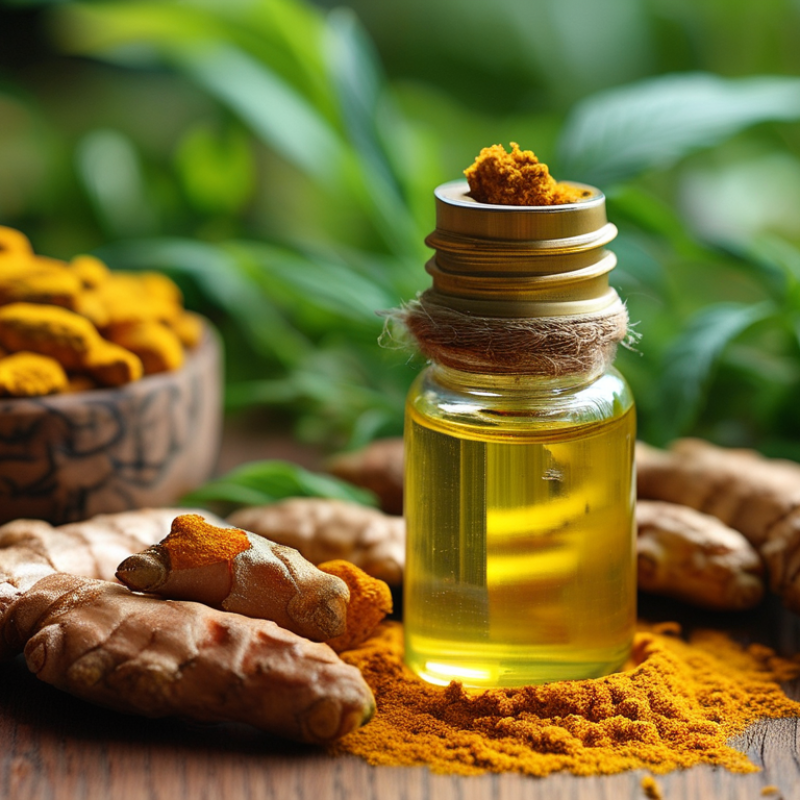
Turmeric CBD oil combines cannabidiol, usually derived from legally permitted hemp, with turmeric extract and a carrier oil. Turmeric contributes curcumin, a naturally occurring compound studied for its antioxidant properties. CBD research remains developing, so responsible suppliers should avoid promising treatment, pain relief, or guaranteed results. The formula is not automatically effective because two popular ingredients appear together.

For global buyers, quality depends on more than attractive packaging. Request a recent, batch-specific certificate of analysis from an independent laboratory. It should identify cannabinoid levels and screen for pesticides, heavy metals, solvents, microbes, and undeclared ingredients. Check the turmeric source, extraction method, shelf life, and storage conditions. Local rules may limit CBD, THC, labeling, or importation. Confirm compliance before ordering. Even careful sourcing has weak points; laboratory testing supports trust, but it cannot replace regulatory review or responsible manufacturing.

Tips: Compare the product label with the laboratory report. Ask whether the report matches the exact batch. Review shipping documents and destination-country requirements. Avoid suppliers making medical claims or hiding ingredient quantities. Turmeric may interact with some medicines, and CBD can also affect medication metabolism. Buyers should recommend professional healthcare advice, especially for pregnancy, chronic conditions, or prescription use. The safest choice is often the least dramatic one.
How to Evaluate Turmeric CBD Oil Suppliers Worldwide

Global buyers should evaluate turmeric CBD oil suppliers as compliance partners, not simple wholesalers. Grand View Research valued the global CBD market at approximately USD 7.59 billion in 2023, with projected growth through 2030. Rapid expansion can attract inconsistent operators. That gap matters.

Request a batch-specific certificate of analysis from an independent laboratory. The document should identify CBD and THC levels, curcuminoid content, pesticides, heavy metals, residual solvents, microbes, and contaminants. Prefer laboratories accredited to ISO/IEC 17025. Match the certificate’s batch number with the bottle and invoice. Ask how turmeric is sourced, extracted, stored, and protected from heat and light. A supplier that cannot explain its cold-chain process needs closer questioning.

Check GMP evidence, recall procedures, insurance, export documents, and country-specific rules before payment. The World Health Organization’s 2018 critical review reported that pure CBD showed no evidence of abuse potential, but it did not make every CBD product legal or risk-free. Regulations differ by jurisdiction, including limits for THC, food use, labeling, and health claims. Suppliers should provide compliant labels without promising disease treatment. This is where many evaluations become too optimistic. I would also order a small trial shipment, inspect packaging for leakage, and retest a retained sample independently. A polished website is useful evidence, but it is not proof.

Top Turmeric CBD Oil Suppliers for Global Buyers? - How to Evaluate Turmeric CBD Oil Suppliers Worldwide

Evaluation Dimension Recommended Verification Standard Evidence to Request Buyer Assessment
Legal market access Confirm that CBD and turmeric oil products comply with the destination market’s food, supplement, cosmetic, or medicinal-product rules. Written regulatory assessment, import requirements, product classification, and customs documentation. Pass only after destination-country review
CBD content accuracy The certificate of analysis should identify CBD concentration in mg per serving and per container, with a defined testing method. Batch-specific third-party COA, laboratory name, test date, sample identification, and cannabinoid chromatogram. Required for every production batch
THC control Verify that total THC is within the legal limit of the destination market; limits differ substantially by jurisdiction and product category. Full cannabinoid panel showing CBD, THC, and other declared cannabinoids, plus the laboratory’s quantification limit. Jurisdiction-specific acceptance limit
Turmeric identity The formula should state whether it uses turmeric root oil, turmeric extract, curcumin, or a combination, because these are different ingredients. Ingredient specification, botanical name, plant part, extraction method, curcuminoid or marker-compound specification where applicable. Must match the product specification and label
Contaminant testing Test for pesticides, heavy metals, microbial contamination, mycotoxins, and residual solvents when relevant to the extraction process. Current third-party COA with method references, specifications, results, and pass/fail status for each contaminant category. No unexplained omissions or out-of-specification results
Manufacturing quality system Prefer facilities operating under documented GMP-based controls appropriate to the product category and target market. Current GMP certificate or inspection evidence, quality manual summary, batch records, deviation procedure, and recall procedure. Higher score for independently audited facilities
Traceability Each finished batch should be traceable to the CBD raw material, turmeric ingredient, carrier oil, packaging components, and production date. Lot-number system, supplier qualification records, batch manufacturing record, and retained-sample policy. Full lot-level traceability required
Stability and shelf life Shelf life should be supported by real-time or accelerated stability data under defined storage conditions. Stability protocol, test intervals, storage conditions, packaging compatibility data, and expiry-date justification. Do not rely only on an estimated expiry date
Carrier oil and formulation Confirm the carrier oil, allergen status, ingredient percentages, flavoring agents, antioxidants, and compatibility with the intended route of use. Complete formula, technical data sheet, allergen declaration, and finished-product specification. Formula transparency is essential
Label and claims compliance Labels should state ingredients, net contents, batch or lot number, expiry information, usage directions, warnings, and legally permitted claims. Editable label artwork, market-specific compliance review, product claims substantiation, and packaging specifications. Avoid disease-treatment claims without authorization
Testing laboratory independence Independent laboratories with recognized competence provide stronger verification than internal-only testing. Laboratory accreditation details, scope of accreditation, analytical methods, and chain-of-custody information. Prefer independent, accredited testing
Export documentation The supplier should be able to provide documents required for cross-border shipment and destination-market clearance. Commercial invoice, packing list, certificate of origin, ingredient declaration, COA, safety data where applicable, and transport documents. Score by document completeness and consistency
Supply continuity Evaluate raw-material sourcing, production capacity, backup suppliers, batch scheduling, and documented change-control procedures. Capacity statement, lead-time range, inventory policy, business-continuity plan, and change-notification process. Higher score for documented contingency planning
Pre-shipment approval Approve the first commercial shipment only after reviewing a production sample, packaging, label, and corresponding batch documents. Pre-shipment sample, final artwork, batch COA, inspection report, and signed product specification. Recommended for all new supplier relationships
Global buyer note: Regulatory requirements for CBD products vary by country, product category, THC threshold, intended use, and import route. All specifications, claims, labels, and shipment documents should be reviewed for the destination market before purchase.

Key Quality, Testing, and Certification Standards

Global buyers should judge turmeric CBD oil suppliers by evidence, not polished catalogues. A credible supplier provides a batch-specific certificate of analysis from an ISO/IEC 17025-accredited laboratory. The report should identify CBD concentration, cannabinoid profile, pesticides, heavy metals, residual solvents, microbial contaminants, and oxidation markers. Turmeric also needs a curcuminoid assay. Colour is not proof of strength.

The National Academies’ 2017 cannabis report reviewed more than 10,000 abstracts, yet it still noted major evidence gaps. That caution matters. Suppliers should avoid disease-treatment promises and provide clear serving data. The World Health Organization’s 2018 critical review described CBD as generally well tolerated in studied conditions, but it did not validate every commercial formula. Claims need restraint.

Ask for manufacturing records, allergen controls, stability data, and packaging specifications. Amber glass, tamper evidence, and a readable batch code are practical details. Verify that the testing laboratory’s scope covers cannabinoids and contaminants. A certificate can look complete while missing turmeric adulteration or inaccurate potency. I would request a retained-sample policy and confirm testing after storage, not only at production. Destination-country rules must also be checked for cannabinoid limits, labeling, and permitted ingredients. Global acceptance is never automatic.

International Sourcing, Packaging, and Shipping Considerations

Top Turmeric CBD Oil Suppliers for Global Buyers?

International sourcing begins with supplier verification, not attractive pricing. Request batch-specific certificates of analysis from independent laboratories. These reports should identify CBD content, contaminants, pesticides, heavy metals, and microbial results. Confirm the turmeric source, extraction method, and manufacturing location. Traceable records make quality problems easier to investigate. Details matter.

Packaging needs practical testing before large orders. Amber glass bottles can reduce light exposure and protect the oil’s color. Use tamper-evident seals, leak-resistant caps, and clear dosage instructions. Labels should show ingredients, net volume, batch code, expiry date, storage conditions, and the responsible importer. Turmeric may stain cartons and labels, so test the filled package for several weeks. My mistake in one review was trusting a sample bottle without checking its closure after transport.

Shipping requires country-specific research. CBD rules, permitted claims, labeling standards, and import documents differ widely. Confirm the destination’s requirements before production begins. Prepare commercial invoices, certificates of analysis, packing lists, and accurate customs classifications. Use a logistics provider familiar with regulated botanical products. Check temperature exposure during warehouse storage and transit. A low-cost shipment can become expensive after customs delays, relabeling, or damaged cartons. Suppliers should also explain their recall process and provide responsive documentation when questions arise.

Comparing Supplier Pricing, Support, and Order Flexibility

Global buyers comparing turmeric CBD oil suppliers should examine total landed cost, not only the quoted bottle price. Grand View Research valued the global CBD market at approximately USD 7.59 billion in 2023, with strong projected growth through 2030. This expansion attracts many suppliers, but pricing varies widely. Ask for a clear breakdown covering extraction, turmeric formulation, packaging, testing, freight, and customs documentation. A low unit price may hide high minimum order quantities or expensive cold-chain requirements. My practical concern is simple: supplier spreadsheets often look cleaner than real invoices.

Support quality matters during international purchasing. Reliable suppliers should provide batch-specific certificates of analysis, ingredient specifications, stability information, and responsive technical answers. Testing should verify cannabinoid content, contaminants, heavy metals, pesticides, and microbial safety. Buyers should also confirm whether turmeric content is standardized or merely listed as a blend. The International Organization for Standardization reports that ISO 9001 supports consistent quality-management processes, but certification alone does not prove product quality. Request recent records, not generic certificates. Communication delays can become costly when labels require revision.

Tips: Compare three landed-cost scenarios before ordering. Request samples and a small pilot shipment. Negotiate flexible minimums, split deliveries, private-label support, and replacement terms for damaged goods. Confirm each destination’s current rules before payment, including cannabinoid limits, labeling, import permits, and testing requirements. Do not rely on verbal promises. A written specification sheet is stronger evidence. Perfect supplier selection is unrealistic; documented checks reduce avoidable surprises.