Top 10 CBD Distillate Suppliers for Global Buyers
For global buyers, choosing a reliable Cbd Distillate supplier requires more than comparing prices. Quality begins with documented sourcing, controlled extraction, and consistent batch testing. A serious supplier should provide recent certificates of analysis, cannabinoid profiles, and screening for residual solvents, pesticides, heavy metals, and microbial contaminants. Clear documentation matters.
Dr. Bonni Goldstein, a respected cannabis-medicine physician and educator, has cautioned, “CBD is not a cure-all.” That reminder supports a careful, evidence-focused approach to supplier selection. This guide examines ten Cbd Distillate suppliers through practical criteria, including testing transparency, production capacity, traceability, packaging, customer support, and export readiness. It also considers whether each company communicates product specifications clearly. Small details matter. A sealed container, readable batch number, and matching laboratory report can reveal a supplier’s operational discipline.
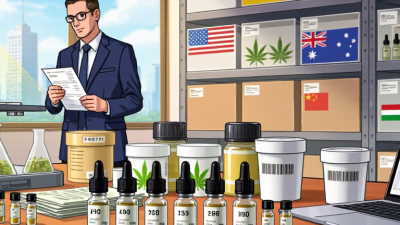
Global trade is not simple. Import rules, labeling duties, THC limits, and documentation requirements can differ widely between destinations. Buyers must verify current regulations with qualified local professionals before ordering. Supplier claims should never replace independent due diligence.
The ranking is useful, not perfect. Availability and compliance information can change. Some companies publish impressive specifications but offer limited evidence about long-term consistency. Others may communicate modestly while maintaining dependable processes. That contrast deserves attention. The strongest supplier is not always the largest one; it is the partner that provides verifiable quality, responsive communication, and responsible documentation throughout the purchasing process.

CBD Distillate: Definition, Types, and Common Uses
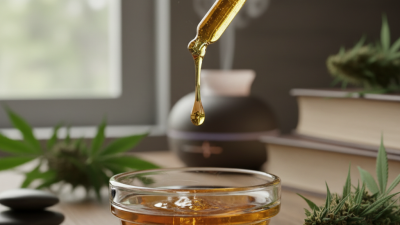
Cannabidiol (CBD) distillate is a refined hemp-derived extract with a concentrated cannabinoid profile. It is thicker and more consistent than many crude extracts. It is not crude oil. Producers remove plant waxes, pigments, and unwanted compounds through controlled filtration and distillation. Common types include CBD isolate distillate, broad-spectrum distillate, and full-spectrum distillate where legally permitted. Their cannabinoid profiles differ, so buyers should request exact specifications rather than rely on product names.
Tips: Ask for a recent certificate of analysis, batch number, cannabinoid results, residual-solvent testing, and contaminant screening. Confirm the laboratory’s independence and accreditation. Packaging should show net weight, storage conditions, and traceability details. A certificate helps, but it does not replace careful verification. That point is easy to overlook.
CBD distillate is commonly used in regulated cosmetic, topical, food, and wellness formulations, depending on local rules. Its neutral color and measured potency can simplify blending into creams, oils, capsules, or other finished products. However, intended use affects testing, labeling, and import requirements. Global buyers should review local regulations before purchasing. Supplier evaluation should also include manufacturing controls, stable batch performance, export documentation, and responsive technical support. In practice, the lowest price can create higher costs later. Some specifications may still need refinement after pilot testing.
How CBD Distillate Is Extracted, Refined, and Tested
CBD distillate begins with carefully prepared botanical material from a documented, lawful source. Producers commonly use carbon dioxide or ethanol extraction to separate cannabinoids from plant matter. The crude extract may contain waxes, pigments, and unwanted compounds. It is then winterized, filtered, and heated under controlled vacuum conditions. Distillation concentrates the target cannabinoid fraction while reducing impurities.
Temperature control matters. Too much heat can damage quality. Skilled technicians monitor pressure, color, viscosity, and yield during each stage. In practice, no process is flawless. Small differences in harvest age or storage can change the final profile. That is why experienced suppliers keep batch records, retain samples, and explain processing limits clearly to international buyers.
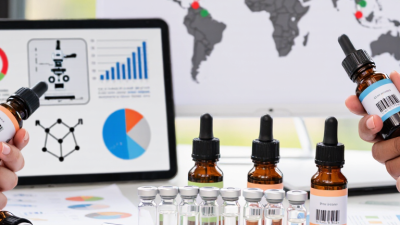
Testing must occur before release. An independent laboratory should verify cannabinoid identity and concentration, including CBD and other naturally occurring compounds. A reliable report also checks pesticides, heavy metals, microbial contamination, and residual solvents. ISO/IEC 17025 accreditation can strengthen confidence in laboratory competence. Buyers should compare the batch number on the certificate with the container label. They should also review the test date, detection limits, and sampling method. Numbers alone are not enough. Clear documentation, traceable sourcing, and compliance with destination-country requirements help reduce purchasing risk. Some certificates look complete but omit important contaminants. That deserves a second review.
Criteria for Evaluating Global CBD Distillate Suppliers
Top 10 CBD Distillate Suppliers for Global Buyers
Evaluating a CBD distillate supplier requires more than comparing prices. Start with documented quality systems, lawful operations, and consistent batch records. Ask for recent, independent Certificates of Analysis (COAs). Each COA should identify cannabinoid levels, residual solvents, pesticides, heavy metals, microbes, and batch numbers. Results should match the physical product, not a generic PDF. A supplier’s technical team should explain testing methods clearly. Vague answers deserve caution.
Traceability is another practical test. Reliable suppliers can show the material’s origin, production date, storage conditions, and handling procedures. Look for controlled temperature storage and sealed packaging. Review GMP or equivalent quality evidence, but verify the issuing organization. A certificate alone proves little. Contracts should define specifications, rejected batches, documentation, and permitted shipping destinations. Import rules differ widely, so buyers must confirm local requirements before ordering. A polished website is not proof of expertise. That lesson is easy to forget.
Tips: Request a small lawful sample first. Use an independent laboratory when the order is significant. Compare two or three recent batches, not one attractive result. Check whether the supplier answers technical questions within a reasonable time. Ask for updated compliance documents before every major purchase. Even careful buyers can miss an inconsistency. Keep written records, including emails, COAs, invoices, and transport documents. Choose suppliers that support transparent review and operate only where the product is legally permitted.
Profiles of the Top 10 CBD Distillate Suppliers
The top ten CBD distillate suppliers differ in more than price. Their profiles reveal extraction capacity, documentation quality, and batch consistency. Several focus on broad-spectrum distillate, while others provide refined, THC-free formulations. The strongest suppliers publish certificates of analysis from independent laboratories. These reports should confirm cannabinoid potency, pesticides, heavy metals, solvents, and microbial limits. Grand View Research valued the global CBD market at approximately USD 7.6 billion in 2023. That figure signals demand, but it does not guarantee product quality.
Supplier profiles also show important operational differences. Some offer small trial quantities, useful for formulation testing. Others manage larger export volumes with controlled storage and traceable lot numbers. GMP-aligned facilities, validated equipment, and stable packaging deserve close attention. The World Health Organization’s 2018 review found no evidence of pure CBD creating abuse potential, yet regulatory treatment still varies between countries. Buyers need current import guidance, not assumptions. One weakness in many supplier comparisons is limited evidence about long-term batch stability. That gap deserves more scrutiny.
Tips: Request a recent COA, a specification sheet, and a sample before discussing annual volumes. Check whether the laboratory report matches the exact lot number. Confirm storage temperature, lead time, payment terms, and recall procedures in writing. A supplier avoiding simple technical questions may create bigger problems later. Price remains useful, but it should never replace verification.
This comparison summarizes the main due-diligence dimensions global buyers typically review when evaluating CBD distillate suppliers. The reference ranges reflect commonly published commercial specifications and regulatory checks; exact values should always be confirmed through a current certificate of analysis (COA), product specification sheet, and destination-market requirements.