What Are the Pros and Cons of CBD Oil for Buyers?
As the popularity of CBD oil grows, understanding its pros and cons becomes crucial for potential buyers. Dr. Sarah Thompson, a leading expert in cannabinoid research, states, "CBD oil offers benefits, but it also carries risks that users must consider." Her insight emphasizes the need for a balanced view when exploring the pros and cons of CBD oil.
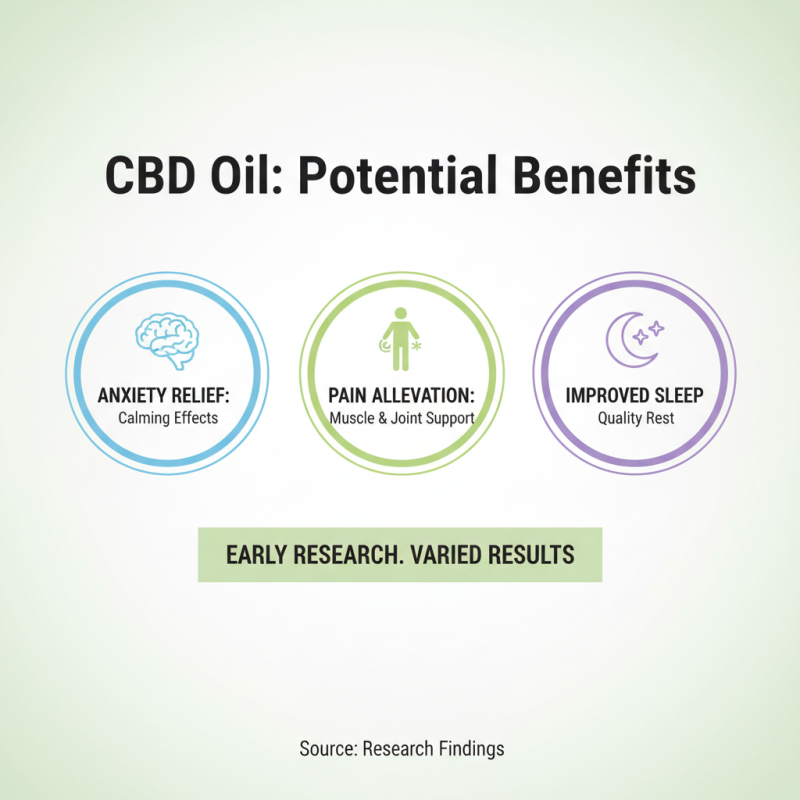
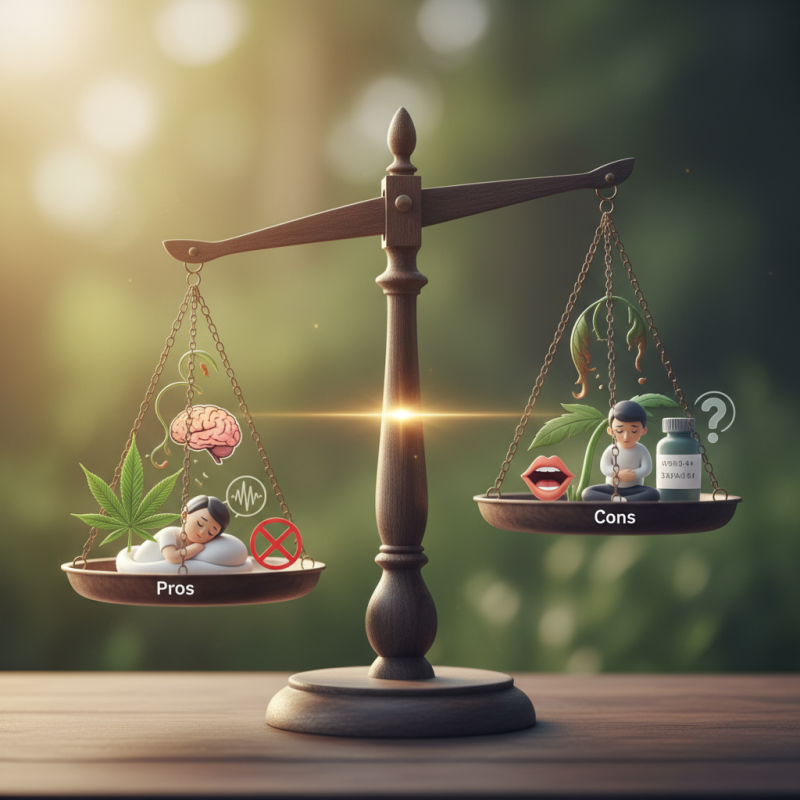
Many people turn to CBD oil for its potential therapeutic effects. It may help alleviate anxiety, enhance sleep quality, and reduce pain. However, not everyone experiences these benefits. Individual responses to CBD can vary widely, leading to mixed results and possible disappointment.
On the other hand, CBD oil can have side effects. Some users report fatigue, dry mouth, or gastrointestinal issues. Furthermore, the lack of regulation in the CBD market can lead to inconsistent product quality. Buyers may find themselves facing unexpected challenges. Navigating the pros and cons of CBD oil requires careful consideration of both its potential benefits and drawbacks.
Understanding CBD Oil: An Overview of Its Uses and Popularity
CBD oil has taken the wellness industry by storm. Its natural origins and versatile applications attract many users. It emerges as a source of relief for issues like anxiety, chronic pain, and sleep disorders. In 2023, the global CBD market was valued at approximately $4.6 billion, with expectations to grow significantly, indicating a rising trend. Reports show that about 33% of adults in the U.S. have tried CBD in some form, demonstrating widespread acceptance.
Despite its popularity, understanding the nuances is essential. Many buyers report positive effects, but there is also a lack of standardized dosing guidelines. This inconsistency can lead to uncertainty in product effectiveness. Additionally, while studies suggest potential benefits, rigorous clinical trials remain limited. Manufacturers are often left to self-regulate, which raises questions about product quality. Transparency in sourcing and manufacturing becomes crucial for informed consumer choices.
Amid the popularity, some potential drawbacks exist. Users may experience side effects like fatigue or digestive issues. Individual responses can vary widely. This inconsistency showcases the need for more research. Buyers must approach CBD oil with an understanding of both its potential benefits and limitations. The balancing act between enthusiasm for CBD and careful skepticism is essential for making informed choices.
The Potential Benefits of CBD Oil: Health Claims and Research Findings
CBD oil has gained attention for its potential health benefits. Research suggests that CBD may help reduce anxiety. It can also alleviate pain for some users. Studies have explored its effects on sleep disorders, showing promise in improving sleep quality. However, the research is still in its early stages, and results can vary.
Despite the positive findings, there are limitations. Some users report side effects like fatigue or digestive issues. Not everyone experiences the same level of relief. Also, many CBD products on the market lack standardization, leading to inconsistent results. The quality and purity of CBD oil can differ widely. Consumers need to approach these products with caution and do thorough research.
It’s essential to consult with a healthcare professional before trying CBD oil. Understanding potential interactions with medications is crucial. Individuals should weigh the benefits against the uncertainty surrounding CBD's efficacy and safety. Personal experiences can vary greatly, so keeping an open mind is vital.
The Risks and Side Effects of Using CBD Oil for Health Purposes
As interest in CBD oil grows, it is essential to consider the potential risks and side effects. Many users turn to CBD for its reported calming qualities and pain relief. However, these benefits do not come without concerns. Some users may experience headaches, fatigue, or gastrointestinal issues. These side effects can vary among individuals.
Another crucial aspect to consider is the lack of regulation in the CBD industry. Quality can significantly differ from one product to another. This inconsistency raises questions about safety and efficacy. Consumers must know that products might contain harmful additives or inaccurate dosages. Many do not realize that these risks are very real.
In addition, interactions with other medications can pose further challenges. CBD can affect how the liver processes certain drugs. This may lead to unexpected side effects or reduced effectiveness of prescribed medications. Therefore, consulting a healthcare professional before trying CBD oil is vital. It's not just about potential benefits; understanding these risks requires careful reflection and discussion with a trusted advisor.
Legal Status and Regulations Surrounding CBD Oil Products
The legal status of CBD oil varies significantly across regions. In many places, products containing CBD are permissible, as long as they meet certain criteria. For example, they must contain less than 0.3% THC, the psychoactive compound in cannabis. This regulation aims to ensure that consumers access safer products without the intoxicating effects of THC. However, the varying interpretations of these laws can create confusion for buyers.
In some countries, CBD remains in a legal gray area. That means local law enforcement might not enforce regulations consistently. As a result, consumers might unknowingly purchase products that are not compliant or even illegal. This uncertainty can lead to challenges, especially concerning product safety and efficacy. Buyers may want to conduct thorough research to understand their local laws.
Regulations around labeling and quality control also differ. Some regions enforce rigorous testing standards, while others do not. As a result, consumers may find products with misleading labels or inconsistent quality. Without clear regulations, buyers face risks when selecting CBD oil. Awareness and vigilance become crucial for making informed decisions in this evolving market.
What Are the Pros and Cons of CBD Oil for Buyers? - Legal Status and Regulations Surrounding CBD Oil Products
| Aspect |
Pros |
Cons |
| Health Benefits |
Can help with anxiety and stress relief |
Effects can vary greatly between individuals |
| Legality |
Legal in many areas if derived from hemp |
Varied laws by state/country can create confusion |
| Accessibility |
Available in many local stores and online |
Quality control and regulation can be poor |
| Product Variety |
Wide range of products (oils, edibles, topicals) |
Can be overwhelming to choose the right product |
| Side Effects |
Generally considered safe with minimal side effects |
Possible interactions with other medications |
Tips for Choosing High-Quality CBD Oil: What Buyers Should Look For
When selecting high-quality CBD oil, it's vital to look beyond labels and promises. Start by checking for third-party lab tests. Reputable manufacturers will provide results that verify the oil's potency and purity. These tests reveal the presence of contaminants like heavy metals or pesticides. Avoid products lacking these reports. Transparency is key to ensuring you're making a safe choice.
Next, consider the source of the hemp used in the oil. Organic hemp is often cultivated without harmful chemicals. This means a healthier product overall. Additionally, look for full-spectrum or broad-spectrum options. These contain various compounds that can enhance the potential benefits of CBD. However, some may react to certain cannabinoids. It's wise to be cautious and start with lower doses.
Finally, pay attention to customer reviews and expert recommendations. Real experiences often highlight the effectiveness of a product. Understanding that CBD affects everyone differently is important too. Be prepared for a trial-and-error phase. What works for one person may not work for another. Choose wisely and prioritize your health when buying CBD oil.