Pros and Cons of CBD Oil You Need to Know?
As the popularity of CBD oil continues to rise, understanding its potential benefits and drawbacks becomes crucial. Dr. Sarah Johnson, a leading expert in cannabinoid research, emphasizes, "CBD oil has many promising aspects, but it also comes with challenges." Analyzing the pros and cons of CBD oil can guide consumers in making informed decisions.
CBD oil is often praised for its potential therapeutic effects, ranging from pain relief to anxiety reduction. However, it's essential to acknowledge that not all users experience these benefits equally. Some may encounter side effects or limited effectiveness. Therefore, considering both sides equips consumers with realistic expectations.
Navigating the landscape of CBD oil involves recognizing that while it may offer relief, it is not a cure-all. As Dr. Johnson suggests, being informed about the pros and cons of CBD oil is vital. A balanced view allows individuals to weigh their options wisely and reflect on whether CBD fits into their wellness journey. This thoughtful consideration can ultimately lead to better health outcomes.

Understanding CBD Oil: What It Is and How It Works
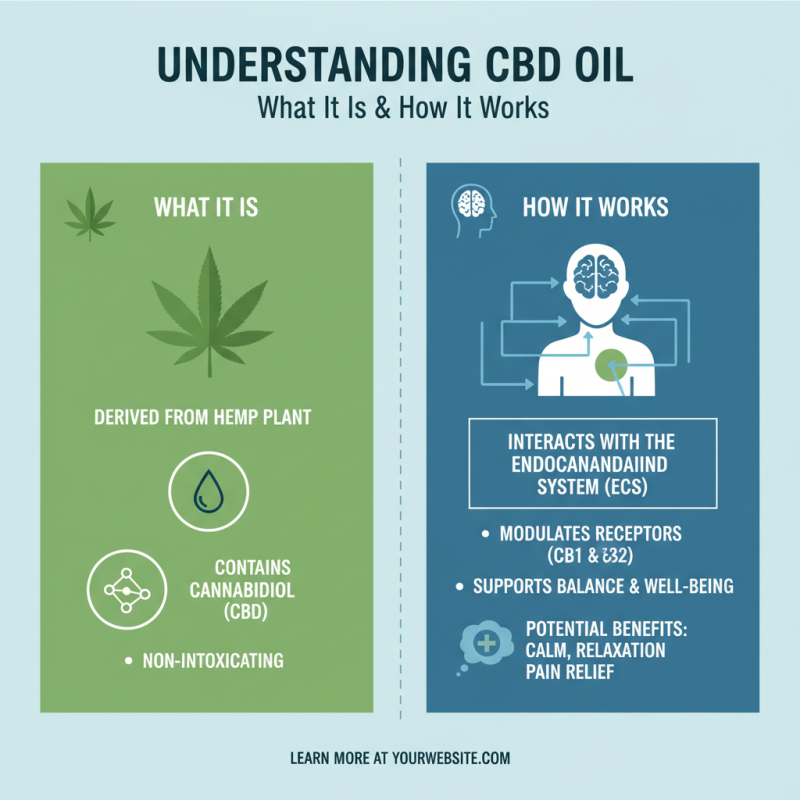
CBD oil has gained significant attention in recent years. It is derived from the hemp plant and contains cannabidiol, a compound known for potential therapeutic benefits. Understanding how it works is essential.
CBD interacts with the body's endocannabinoid system. This system plays a crucial role in regulating various functions, including mood, pain, and sleep. Some users report relief from anxiety and chronic pain. However, individual experiences can vary widely. Not everyone responds positively to CBD, and some may experience side effects like fatigue or digestive issues.
Research on CBD is still evolving. While some studies indicate potential benefits, many claims lack extensive scientific backing. Quality and concentration can differ among products. Users should approach CBD with caution. Consulting with a healthcare professional is advisable before starting any new supplement.
Potential Health Benefits of CBD Oil: Evidence and Anecdotes
CBD oil has gained attention for its potential health benefits. Many people use it for relief from anxiety, pain, and insomnia. Some studies suggest that CBD interacts with receptors in the brain. This interaction may help regulate mood and stress levels. However, more research is needed to fully understand these effects.
Anecdotal evidence supports many user experiences. Individuals share stories of reduced anxiety after using CBD oil. Some report improved sleep quality and relief from chronic pain. These personal accounts contribute to the growing interest in CBD as a therapeutic option. Yet, it is essential to view these stories with caution. Individual responses can vary significantly. What works for one person may not work for another, leading to a need for further investigation.
Despite its popularity, CBD oil is not a cure-all. Possible side effects exist, including fatigue and digestive issues. Additionally, the quality of CBD products varies across the market. Consumers must be aware of these differences. It's crucial to seek reliable sources of information and consult health professionals before starting CBD. Taking a well-informed approach ensures better outcomes in exploring its potential health benefits.
Pros and Cons of CBD Oil You Need to Know
| Aspect |
Details |
| Potential Health Benefits |
May help with anxiety relief, pain management, anti-inflammatory effects, and sleep disorders. |
| Scientific Evidence |
Preliminary studies show promise, but more clinical trials are needed to confirm benefits. |
| Legal Status |
Legal in many areas but remains illegal in some jurisdictions; varies by state and country. |
| Side Effects |
May cause fatigue, changes in appetite, and diarrhea; interaction with other medications possible. |
| Reputation and Stigma |
Some individuals may hold negative perceptions due to association with cannabis. |
| Costs |
Prices can vary widely; ongoing research and regulations may affect availability and cost. |
Possible Side Effects and Risks Associated with CBD Oil
CBD oil has gained popularity for its potential health benefits, but it’s essential to be aware of the possible side effects and risks involved. Some users report feeling drowsy or fatigued after using CBD oil. This reaction may not suit those needing to stay alert. Additionally, dry mouth is a common complaint, making it vital to stay hydrated.
A few individuals may experience gastrointestinal issues. Nausea and diarrhea can occur, highlighting the need for careful dosage. Some people have noted changes in appetite, which can lead to unintended weight loss or gain. It’s important for users to monitor their body's response closely.
Interactions with other medications should also be considered. CBD can alter how certain drugs work in the body. For instance, it may enhance the effects of sedatives. Those on medication should seek medical advice before trying CBD oil. Overall, while many find relief with CBD, it's crucial to remain informed about these potential issues.
Legal Status of CBD Oil: Regulations Around the World
The legal status of CBD oil varies significantly across the globe. In many countries, it remains a gray area. Some nations have embraced its potential benefits, while others maintain strict regulations. For example, in the United States, CBD derived from hemp with less than 0.3% THC is legal federally. However, laws may differ at the state level. It's crucial to stay updated on local regulations.
In Europe, similar patterns exist. Most EU countries permit CBD use, but specific laws differ. The World Health Organization has acknowledged CBD as generally safe, pushing some nations to reconsider their stance. Still, confusion persists, especially regarding product sourcing and labeling. Many consumers may not fully understand their own country’s legislation.
Tip: Always verify the CBD oil laws in your region. Check for updates regularly, as regulations can change.
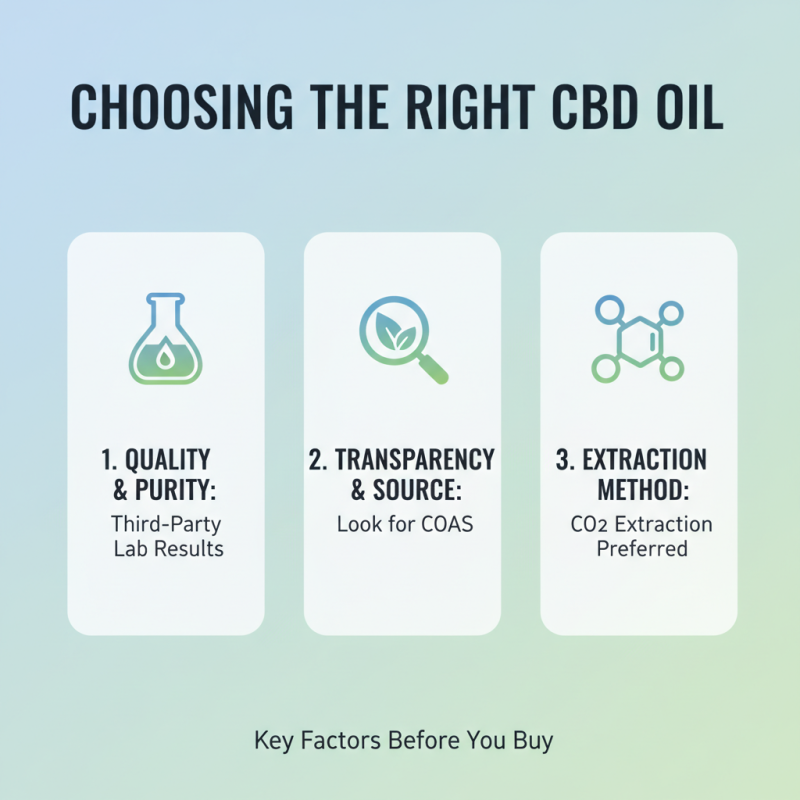
When considering using CBD oil, it's essential to recognize the potential for misinformation. Some products might not meet legal requirements or quality standards. It's wise to choose products that provide transparency in sourcing and testing. Being informed can help navigate the complexities of CBD oil legality.