Assessing Purekana Cbd Oil Reviews in 2026 requires more than counting stars or trusting polished testimonials. Readers should examine testing evidence, ingredient details, serving guidance, and the reviewer’s real experience. A useful review explains the product’s texture, flavor, packaging, and everyday use without promising medical results. It should also disclose possible limitations, including uncertain long-term effects and individual differences.
Evidence matters.
The U.S. Food and Drug Administration reports that CBD may cause liver injury, interact with medicines, and produce drowsiness. Its consumer guidance also notes that many CBD products have not received FDA approval for treating health conditions. A peer-reviewed JAMA study tested 84 CBD products and found that only 31% were accurately labeled for CBD content. That finding makes independent, batch-specific laboratory reports essential.
Market reports can add context, but they are not proof of quality. New Frontier Data and Brightfield Group have documented rapid growth and changing consumer behavior across the CBD sector. Their forecasts describe market trends, not the performance of one bottle. Therefore, this guide treats Purekana Cbd Oil Reviews as evidence to evaluate, not conclusions to accept automatically. Check whether reviews mention a certificate of analysis, batch number, extraction method, and visible testing date. Look for consistent details across independent platforms. Be cautious when every review uses identical praise.
Some uncertainty remains.
A careful assessment may reveal missing information. That is not failure; it is a reason to investigate further. Readers should compare manufacturer claims with FDA guidance, published research, and transparent testing records before making an informed purchasing decision.
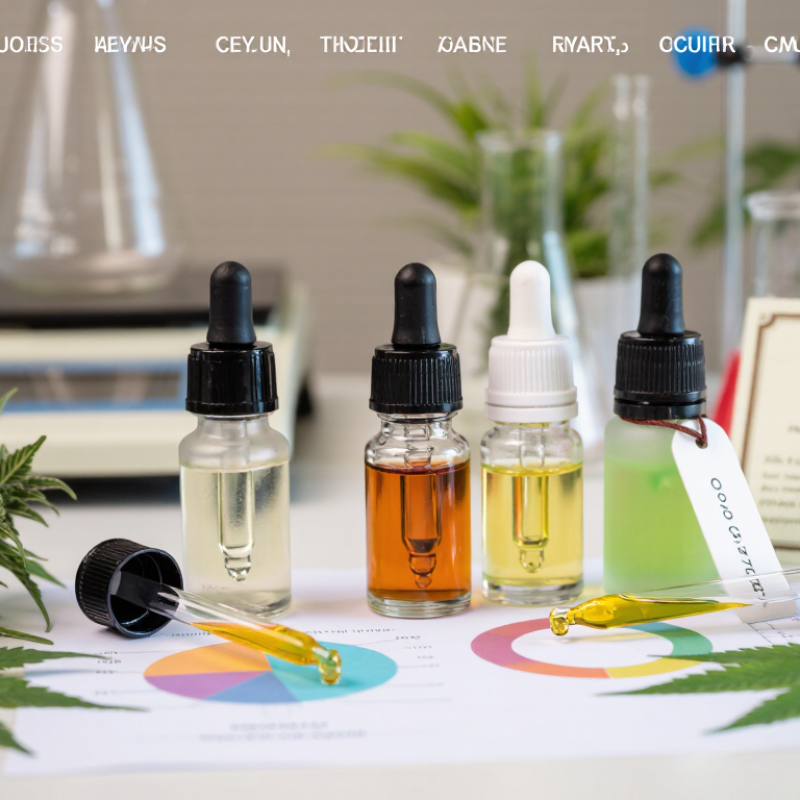
Understanding a CBD oil begins with its label, not its advertising. I compare the listed concentration with the bottle size and serving guidance. A clear label should identify the carrier oil, extract type, ingredients, batch number, and suggested use.
Full-spectrum, broad-spectrum, and isolate formulas can differ in cannabinoid profiles and personal response. The product range may include oils, capsules, gummies, creams, and pet formulas. Each format deserves separate assessment.
I also look for recent, batch-specific laboratory reports from an independent facility. These reports should confirm cannabinoid content, purity, and testing dates. Vague claims are weak evidence.
Reviews become more useful when writers describe bottle design, flavor, texture, delivery time, and repeated use.
“It worked” is not enough.
How long was it used? What amount was taken? Were expectations realistic?
My early reviews were too generous. Attractive packaging influenced me more than testing details. That was a mistake. Now I record the purchase date, label information, and any noticeable changes.
Individual experiences still vary, and online comments cannot replace professional health advice. People should check local requirements before purchasing or using cannabinoid products.
I would also question unusually dramatic promises, missing reports, and formulas with unnecessary additives. A smaller product range with transparent documentation may deserve more trust than a larger catalog with unclear evidence.
When assessing CBD oil reviews in 2026, check the source before reading the rating. BrightLocal’s 2024 Local Consumer Review Survey found that 91% of consumers read online reviews. However, many readers compare only one platform. That can hide missing or moderated feedback. Look for independent retail sites, consumer forums, and laboratory-linked discussions. Give more weight to reviews showing purchase verification, testing dates, serving details, and clear product photographs.
Dates matter. A review from 2021 may describe packaging, formulas, or testing practices that no longer apply. Compare several recent reviews across different months. Watch for sudden bursts of similar comments. The Federal Trade Commission’s 2024 final rule on fake reviews highlights how fabricated testimonials and undisclosed incentives can distort consumer judgment. Disclosure matters. Phrases such as “received free product” should reduce, not automatically remove, a review’s value.
Ratings need context. Spiegel Research Center reported that purchase likelihood often peaks around a 4.0-to-4.7-star range, rather than at a perfect score. Perfect ratings can look reassuring. They may also lack useful criticism. I would record recurring details in a small table: review date, source, verification status, testing evidence, and claimed experience. Avoid treating personal effects as medical proof. That is a common mistake. Some reviews may sound convincing but provide little evidence, and my own interpretation can be biased too.
A careful CBD oil review should begin with the bottle, not the star rating. Check the product’s cannabinoid amount per serving and compare it with the total bottle content. A clear ingredient list should identify the carrier oil, flavorings, and possible allergens. Avoid reviews that praise “purity” without showing measurable evidence. Specific details matter.
Look for a recent certificate of analysis linked to the exact batch number. The report should show cannabinoid results, testing dates, and the laboratory’s identity. It should also address heavy metals, pesticides, solvents, and microbial contamination. Independent laboratory testing adds credibility, but accreditation and transparent methods matter more than impressive wording. If the report is missing, outdated, or difficult to match, treat the review cautiously.
Real experience can reveal practical issues, such as a leaking dropper, bitter flavor, or inconsistent texture. However, personal impressions cannot prove composition or safety. I would record the serving size, storage conditions, and purchase date before comparing results. My own assessment could still be imperfect. Human memory is unreliable. Reviews may also reflect expectations rather than product quality. Strong evidence combines careful use, precise labeling, accessible testing records, and restrained claims. A polished website is not evidence by itself. Neither is a large number of anonymous comments.
When assessing CBD oil reviews in 2026, compare real customer experiences rather than star ratings alone. Look for details about bottle size, serving habits, taste, and time of use. A review mentioning a calmer evening or easier bedtime feels more useful than “worked great.” Still, personal results are not proof. CBD may affect people differently, and some reported benefits may reflect better routines, expectations, or other lifestyle changes.
Reliable reviews often include dates, product batches, and consistent observations. Check whether independent laboratory reports confirm the stated cannabinoid content and screen for unwanted contaminants. Professional health sources can add context, especially when reviewers discuss medications, allergies, pregnancy, or existing conditions. A pharmacist or doctor can help evaluate possible interactions. Online comments cannot replace that guidance.
Reported drawbacks deserve equal attention. Customers may mention an earthy flavor, thick texture, leaking packaging, high cost, or difficulty measuring small servings. Some describe tiredness, stomach discomfort, or no noticeable effect. That matters. One weakness in my own review process is trusting vivid stories too quickly. A detailed complaint may be genuine, yet still represent one person’s response. Compare patterns across independent sources, note repeated concerns, and question reviews with dramatic promises or missing practical details.
How to Assess PureKana CBD Oil Reviews in 2026?
A review should test value, safety, and relevance, not simply repeat star ratings. Grand View Research estimated the global CBD market at $7.59 billion in 2023, with a projected 16.2% annual growth through 2030. Rapid growth increases choice, but it does not prove product quality. “Pure” is a marketing description, not a regulatory guarantee. Compare the price per milligram, bottle size, serving guidance, and refund terms. A cheap bottle may offer fewer usable servings.
Safety needs stronger evidence than personal experience. A JAMA study tested 84 CBD products and found that only 31% were accurately labeled for CBD content. That finding still matters in 2026. Look for a batch-specific certificate of analysis, testing for pesticides, heavy metals, solvents, and microbial contamination. Prefer independent laboratories using recognized ISO/IEC 17025 practices. The WHO Expert Committee on Drug Dependence reported that pure CBD was generally well tolerated in studied conditions, but it also noted limited evidence for many consumer claims.
Reviews are most relevant when they describe ordinary details: a dropper leaking in a bag, a bitter taste, or inconsistent measurements between bottles. Medical outcomes are harder to judge from testimonials. I would record the batch number and start with a small serving, while checking possible medication interactions with a qualified clinician. My own reading can be biased. A polished review can still miss a failed laboratory test. That is the uncomfortable part.
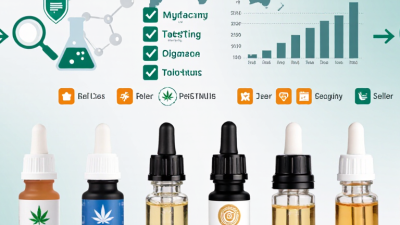
Evidence-based checkpoints for evaluating value, safety, and relevance without relying on brand claims.
The chart uses verifiable regulatory reference points: the federal hemp definition limits hemp-derived products to no more than 0.3% delta-9 THC by dry weight, while the FDA has approved one purified CBD medicine for specific seizure disorders. FDA approval does not extend to general over-the-counter CBD oils, so reviews should be checked for independent laboratory results, accurate cannabinoid content, THC disclosure, clear safety information, and claims supported by evidence.