Leave Your Message

2026 Top Pharma CBD Oil Manufacturers for Global Buyers?

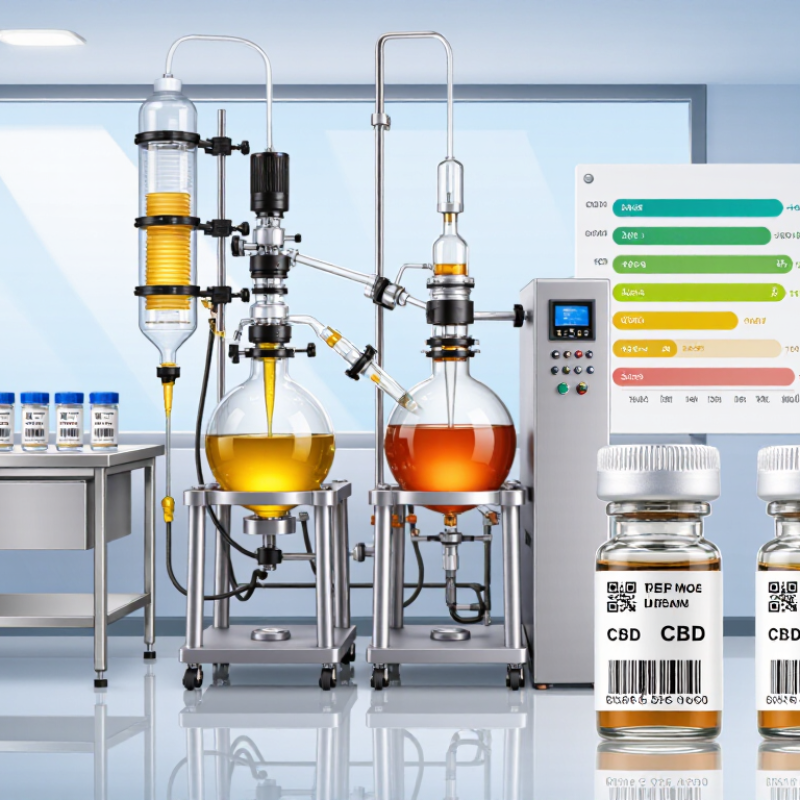
The 2026 market for Pharma Cbd Oil is becoming more disciplined, evidence-led, and demanding. Global buyers now need more than attractive packaging or low prices. They need manufacturers with validated processes, consistent cannabinoid profiles, and transparent documentation.

Dr. Raphael Mechoulam, a pioneer in cannabinoid science, described cannabis as “a neglected pharmacological treasure trove.” His observation still matters, but modern pharmaceutical expectations are higher. A credible supplier should demonstrate GMP-aligned production, identity testing, contaminant screening, batch traceability, and stability data. Certificates of analysis should connect clearly with batch numbers, not appear as isolated files.

Details reveal maturity. Can the manufacturer explain its extraction method? Are storage temperatures recorded during transport? Does every shipment include complete technical documents? These practical questions help buyers compare suppliers across regulated markets without relying on promotional claims. The strongest manufacturers also support qualified-person reviews, pharmacovigilance planning, and responsible communication about product limitations.

No shortlist is flawless. Even experienced buyers may overlook formulation compatibility or regional registration requirements. A clean laboratory report does not automatically prove long-term product performance. That uncertainty deserves attention, not convenient silence. This guide examines leading Pharma Cbd Oil manufacturers for 2026, focusing on manufacturing experience, analytical reliability, supply capacity, quality systems, and international buyer support. The goal is not to promote every supplier equally. It is to help procurement teams make careful, documented decisions based on evidence, lawful market access, and realistic pharmaceutical standards.
2026 Top Pharma CBD Oil Manufacturers for Global Buyers?

What Defines a Top Pharmaceutical CBD Oil Manufacturer in 2026

A top pharmaceutical CBD oil manufacturer in 2026 must prove more than modern equipment. It should operate under recognized quality systems and maintain documented GMP controls. Every batch needs a traceable record, from approved raw materials to final filling. Independent testing should confirm CBD identity, concentration, and limits for pesticides, heavy metals, solvents, and microbes. Certificates of analysis should match retained samples, not simply appear in a sales folder.

In practice, reliable manufacturers welcome audits and explain deviations without defensive language. Walk through a facility, and small details matter: calibrated scales, clean transfer lines, tamper-evident seals, and labeled quarantine areas. Stability data should support the stated shelf life under defined storage conditions. Packaging must protect the oil from light and temperature swings. Technical teams should provide clear specifications, batch-release procedures, and market-specific regulatory documents. That is where expertise becomes visible.

No supplier is flawless. A serious one records complaints, investigates root causes, and updates procedures when evidence changes. Pharmacovigilance plans and medical information support are valuable for products used in healthcare settings. Yet documentation alone cannot replace independent due diligence. Buyers should compare audit findings, testing methods, manufacturing capacity, and supply continuity. Claims should remain measured, especially when clinical evidence is limited. Transparency may feel slower, but it reduces avoidable risk for patients, distributors, and healthcare professionals.
How to Evaluate CBD Oil Manufacturing Quality and Safety Standards

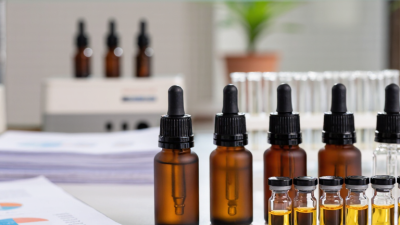
For global buyers, CBD oil quality begins long before filling. A credible manufacturer should identify botanical sources, cultivation controls, and extraction methods. Ask for lot-specific records, not polished brochures. During a factory review, I look for clean zoning, calibrated scales, controlled temperatures, and retained samples. Small details matter. A missing seal can signal weak discipline.

Safety evidence should follow each batch. Request independent certificates of analysis covering cannabinoid profiles, pesticides, heavy metals, residual solvents, microbes, and other contaminants. The laboratory should show accreditation and validated testing methods. Compare each report with the actual lot number and packaging date. Do not accept “tested” as a complete answer. It says little without limits, results, and chain-of-custody records. Manufacturers should also maintain deviation logs, corrective actions, sanitation schedules, and training records.

For pharmaceutical-oriented supply, review the quality system against applicable GMP expectations and destination-market rules. Confirm stability data, storage conditions, transport monitoring, and tamper-evident packaging. Check that labels avoid unsupported health claims and provide accurate information where legally required. I would still question unusually perfect documentation. Real production has occasional deviations. What matters is transparent investigation and effective correction. Keep communication recorded; verbal assurances can disappear when a shipment is delayed.

2026 Top Pharma CBD Oil Manufacturers for Global Buyers?

How to Evaluate CBD Oil Manufacturing Quality and Safety Standards

The chart presents a practical due-diligence weighting model for evaluating pharmaceutical-grade CBD oil suppliers. Laboratory identity and potency testing receives the highest priority, followed by contaminant screening, THC compliance, GMP-based manufacturing controls, and traceability and packaging evidence.

The percentages are evaluation weights, not company performance results. Buyers should request batch-specific certificates of analysis from an ISO/IEC 17025-accredited laboratory, evidence of GMP controls, validated testing methods, full contaminant panels, stability data, and documentation demonstrating applicable THC compliance. Reference frameworks include ISO/IEC 17025, WHO Good Manufacturing Practices, USP quality standards, and applicable national hemp or cannabis regulations.

Which Global Regulations Affect Pharmaceutical CBD Oil Suppliers

2026 Top Pharma CBD Oil Manufacturers for Global Buyers

Which Global Regulations Affect Pharmaceutical CBD Oil Suppliers

Pharmaceutical CBD oil suppliers face different rules in every major market. The World Health Organization’s 2018 Expert Committee review found no evidence that pure CBD causes dependence. However, that finding does not create automatic market access. National authorities still control product classification, manufacturing, labeling, and medical claims.

In the United States, the FDA treats approved cannabidiol medicines differently from CBD foods or supplements. Suppliers must follow approved indications, current Good Manufacturing Practice, stability testing, and pharmacovigilance duties. In the European Union, medicinal CBD products generally require national or centralized authorization. CBD used in foods may also fall under Regulation (EU) 2015/2283 for novel foods. The European Medicines Agency stresses quality, safety, and consistent clinical evidence.

The UK applies separate medicinal product and novel-food controls. Canada also requires product-specific authorization, licensed production, and strict promotional limits. The 2024 IQVIA Global Use of Medicines report projects worldwide medicine spending to reach about 1.9 trillion dollars by 2028. That scale raises the cost of weak compliance systems. Batch records should show cannabinoid identity, potency, contaminants, and chain of custody.

I would still question any supplier offering one certificate for every country. Regulations change, and certificates can become outdated. Experienced buyers should verify the latest authority guidance before signing a supply agreement.

How to Compare Manufacturers by Capacity, Formulas, and Certifications

Global CBD demand is expanding, but manufacturer selection requires more than a polished website. Grand View Research valued the global cannabidiol market at approximately USD 7.59 billion in 2023. It projects a 17.5% compound annual growth rate from 2024 to 2030. For global buyers, capacity should be verified through equipment lists, monthly output, filling lines, and realistic lead times. Ask for recent batch records, not only annual production claims.

Formula comparison needs equal attention. Confirm cannabinoid source, concentration tolerance, carrier oil, flavoring, and shelf-life data. A stable formula should include documented testing for potency, contaminants, and microbial safety. Each batch should have a clear certificate of analysis from an ISO/IEC 17025-accredited laboratory. Small details matter. Packaging compatibility can affect oxidation and leakage during long shipping routes. I have seen buyers compare prices before checking this risk.

Certifications must match the production scope. Look for current GMP evidence, HACCP or ISO 22000 systems, and traceability from raw material to finished bottle. Organic certification should be verified separately, because general quality certificates do not prove organic status. The U.S. FDA’s current manufacturing guidance also emphasizes controlled processes and accurate labeling for regulated products. Requirements differ by destination. A certificate alone does not guarantee market access. Buyers should request audit reports, recall procedures, stability studies, and documented legal reviews for each target market. Mistakes happen, even in experienced factories. That is why independent testing and a small pilot order remain sensible safeguards.

2026 Top Pharma CBD Oil Manufacturers for Global Buyers? - How to Compare Manufacturers by Capacity, Formulas, and Certifications

Anonymized comparison of typical pharmaceutical and nutraceutical CBD oil manufacturing profiles
Comparison Dimension Profile A
Specialty GMP Facility
Profile B
Mid-Scale Contract Manufacturer
Profile C
Large-Scale Extract Supplier
Profile D
Private-Label Formulator
Primary Buyer Fit Pharmaceutical, clinical, and regulated-market buyers Established supplement and wellness companies High-volume ingredient and finished-product buyers Start-ups, distributors, and private-label retailers
Indicative CBD Oil Output 10,000–50,000 finished units per month 50,000–250,000 finished units per month 250,000–1,000,000+ finished units per month 1,000–25,000 finished units per month
Typical Minimum Order Quantity 1,000–5,000 units 2,500–10,000 units 10,000–50,000 units 250–2,500 units
Available CBD Formats Full-spectrum, broad-spectrum, isolate, water-dispersible CBD Full-spectrum, broad-spectrum, isolate, MCT oil blends CBD isolate, distillate, crude extract, broad-spectrum concentrate Broad-spectrum, isolate, flavored and unflavored retail oils
Common CBD Concentrations 5%–40% w/v; customized clinical strengths available 5%–30% w/v Bulk concentrates commonly standardized before formulation 2.5%–20% w/v
Carrier Oil Options MCT, olive, hemp-seed, sesame, and specialty pharmaceutical oils MCT, olive, hemp-seed, and coconut-derived oils MCT, hemp-seed, olive, and bulk oil systems MCT and hemp-seed oils, with standard flavor systems
Extraction and Processing Supercritical CO₂ extraction, winterization, distillation, chromatography, and controlled blending CO₂ extraction, filtration, distillation, and batch blending CO₂ and ethanol extraction with large-scale distillation and isolation Purchased extracts combined with standardized formulation and filling
Testing Coverage Cannabinoid potency, residual solvents, pesticides, heavy metals, microbial limits, mycotoxins, and stability Potency, pesticides, heavy metals, residual solvents, and microbiological testing Potency, contaminant screening, identity testing, and lot-release specifications Potency and standard safety testing; expanded panels available on request
Certificate of Analysis Batch-specific COA with laboratory methods, specifications, and traceable lot number Batch-specific COA generally supplied with finished goods Ingredient and bulk-lot COAs supplied; finished-product testing depends on contract scope Finished-product COA supplied for standard formulations
Quality Certifications Typically Required GMP, ISO 9001, HACCP or ISO 22000, and documented pharmaceutical quality systems GMP, HACCP, ISO 22000, and ISO 9001 commonly available GMP or equivalent manufacturing controls, HACCP, and ISO 22000 commonly available HACCP, ISO 22000, GMP-based procedures, and documented supplier controls
THC Control Controlled through formulation, validated testing, and market-specific specifications Broad-spectrum and isolate options designed for non-detectable THC specifications Separate isolate, distillate, and full-spectrum grades with different THC profiles Usually broad-spectrum or isolate products for simplified retail compliance
Packaging Options Amber glass dropper bottles, oral syringes, tamper-evident closures, and serialized packaging Amber glass and HDPE bottles, droppers, cartons, and tamper-evident seals Bulk containers, drums, intermediate totes, and high-volume retail packaging Standard dropper bottles, labels, cartons, and retail-ready kits
Typical Lead Time 8–16 weeks for validated or customized products 6–12 weeks for standard formulations 8–20 weeks depending on extraction, isolation, and packaging requirements 4–10 weeks for stock formulas and standard packaging
Documentation for Global Buyers COA, specification sheet, SDS, allergen statement, stability data, GMP documents, and export records COA, SDS, product specifications, allergen statement, and origin documentation Bulk ingredient specifications, COAs, SDS, traceability records, and customs documents COA, SDS, label files, product specifications, and private-label documentation
Best Evaluation Priority Validated processes, regulatory documentation, stability, and batch consistency Production reliability, formula flexibility, testing depth, and delivery performance Capacity, raw-material traceability, lot consistency, and total landed cost Low MOQ, speed to market, label support, and transparent standard pricing

Note: Capacity, MOQ, lead time, concentration, and certification combinations are indicative industry benchmarks for anonymized manufacturer profiles. Actual requirements vary by jurisdiction, product classification, formulation, batch size, and contract scope. Buyers should verify current certificates, laboratory reports, regulatory status, and export eligibility directly before placing an order.

How Global Buyers Can Verify and Partner With Reliable CBD Manufacturers

Global buyers should verify a CBD oil manufacturer beyond its website and sales presentation. A polished website is not evidence. Request legal entity records, facility details, quality certifications, and current product specifications. Check whether the manufacturer follows applicable production standards in its operating country. Review batch-specific certificates of analysis from qualified, independent laboratories. These reports should identify cannabinoid content, heavy metals, pesticides, solvents, microbes, and batch numbers. Confirm that testing methods are suitable for the product. Use independent labs when possible. Do not rely on one impressive certificate. Details matter more.

Before signing, map every compliance requirement in the destination market. Product composition, labeling, packaging, advertising, and import documents may differ between countries. Ask for written procedures covering raw material approval, batch release, recalls, and complaint handling. A reliable partner should answer clearly and provide traceable records. Short video calls are useful, but limited. Documents can be staged. This is uncomfortable, yet worth acknowledging. Consider a qualified third-party audit or an on-site inspection when practical. Review the contract carefully, including testing responsibilities, delivery terms, confidentiality, and corrective actions. Avoid unapproved medical claims and request evidence for every quality statement. Keep a small pilot order first. Then evaluate consistency, communication, documentation, and the manufacturer’s response when something needs correction.