Leave Your Message

2026 Top Non THC CBD Oil Types for Global Buyers

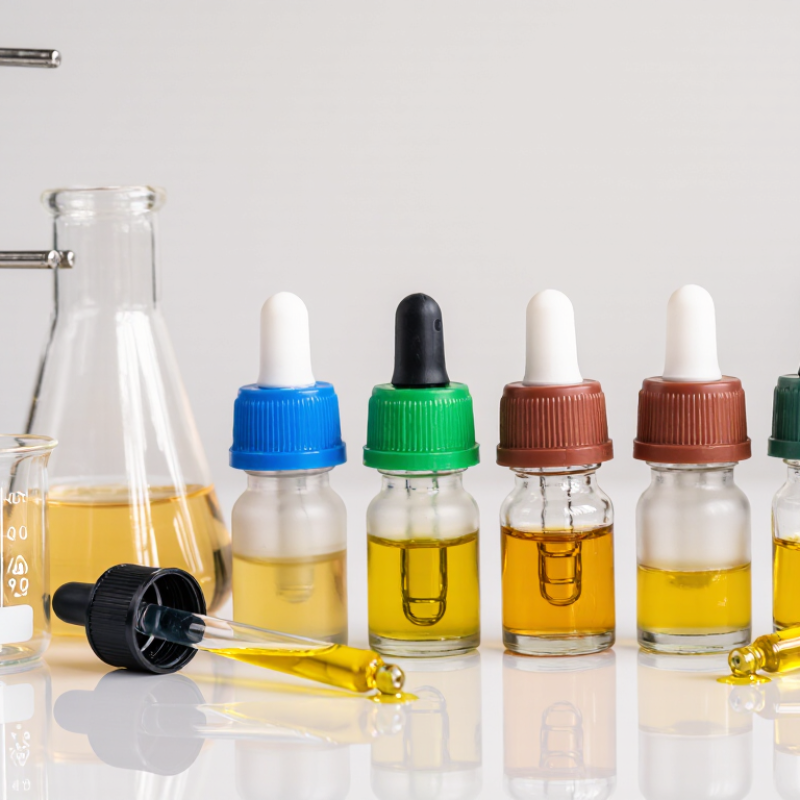
Global buyers comparing Non Thc Cbd Oil need clear product categories, not broad promises. The label may describe an isolate-based formula or broad-spectrum oil processed to reduce THC. These formats are not identical. Their contents can also vary by brand, batch, and market. This guide introduces common types and the details buyers can check before placing an order.

Small print matters. A “THC-free” claim should be supported by recent, batch-specific laboratory results from an independent testing provider. Review the reported cannabinoid profile, test date, and detection limits; a label alone cannot confirm what is in the bottle. Also check the carrier oil, ingredient list, serving information, and packaging. These details help buyers compare products more consistently, though they do not prove that a product suits every person.

For international purchasing, verify current requirements in the destination market before buying or shipping. Product definitions, permitted ingredients, and documentation rules can differ. A supplier’s export experience may be useful, but it does not replace local guidance. Some records may be incomplete, and testing cannot answer every question. A careful review should therefore include product specifications, laboratory documents, supplier traceability, and clear communication about any uncertainty.
2026 Top Non THC CBD Oil Types for Global Buyers

CBD Isolate Oils: Single-Cannabinoid Formulas and Common 99%+ Purity Specs

CBD isolate oil uses cannabidiol as its intended cannabinoid, without the broader cannabinoid profile found in full-spectrum formulas. Suppliers often describe the isolate ingredient as 99% or higher in purity. That figure should refer to the tested isolate, not the finished oil, which also contains a carrier such as MCT oil. Check the batch certificate of analysis for the test method, cannabinoid results, and batch identification. A chromatographic assay can help distinguish CBD from other measured cannabinoids. “Non-THC” should be supported by a stated detection limit, not just a front-label claim.

A useful caution comes from a 2017 JAMA study of 84 online CBD products: only 31% were within 10% of their labeled CBD amount. The study was not limited to isolate oils, so it cannot establish how today’s isolate products perform. Still, it shows why clear testing matters. Look for results tied to the same batch and reported in milligrams per bottle, not only as a percentage. A 99% isolate specification is not a guarantee of finished-product accuracy. I would also compare the lab’s reported limits with the buyer’s needs; that step is easy to overlook.
Broad-Spectrum CBD Oils: Multi-Cannabinoid Extracts with THC Removed

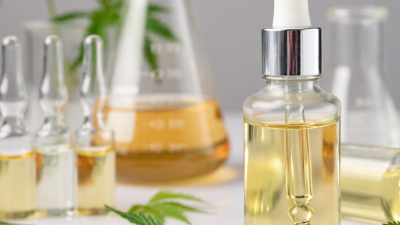
Broad-spectrum CBD oil contains CBD alongside selected minor cannabinoids and, in some formulas, terpenes. The manufacturer removes THC during processing, but the label alone is not proof of the finished oil’s composition. A batch-specific certificate of analysis should identify tested cannabinoids and show the laboratory’s detection limits. Look for a matching batch number, not a generic test sheet.

Grand View Research’s 2024 Cannabidiol Market Size report estimated the global CBD market at USD 7.71 billion in 2023, with projected growth through 2030. That figure covers the broader CBD market; it does not show broad-spectrum oils’ market share or prove product quality. For buyers, that distinction matters. Compare the cannabinoid profile, carrier oil, serving size, and testing date. A “THC removed” claim can still leave questions about how removal was verified.

Tips: Check that the lab report matches the bottle’s batch. Confirm the listed detection limit, and ask whether testing covers contaminants as well as cannabinoids. Store the bottle away from heat and sunlight. The details can be tedious. They are worth checking.

THC-Free CBD Oils: Why “Non-Detect” Depends on the Lab’s Detection Limit

For global buyers comparing THC-free CBD oils, “non-detect” needs context. It does not prove that a sample contains exactly zero THC. It means the lab did not measure THC above that test’s stated detection limit. Limits vary with equipment, sample preparation, and reporting units. One certificate may show “ND” below 0.01%, while another reports a lower threshold in mg/kg. Those results are not automatically equivalent. Check the certificate of analysis, batch number, test date, and whether the report covers the finished oil rather than only its raw ingredient. Small details matter.

CBD isolate oils use purified CBD; broad-spectrum oils may retain other hemp compounds while aiming to exclude THC. Neither type should be judged by its label alone. Request a batch-matched report from an independent laboratory, with the test method and limit of quantification clearly stated. A lower limit gives more detail, not a magical guarantee. Compare units, too, and confirm the tested sample matches the oil in the bottle. Some reports are hard to read, even for careful buyers. That deserves a second look. Seek clarification when a report says only “THC-free” without numerical testing information.

U.S. Hemp’s 0.3% THC Threshold Does Not Mean an Oil Is THC-Free

For global buyers comparing non-THC CBD oil types, the label alone is not enough. In the United States, the 0.3% THC threshold defines hemp under a specific legal framework; it does not mean every hemp-derived oil contains zero THC. The threshold is not a promise of absence. Full-spectrum oils may retain naturally occurring THC, while broad-spectrum products are processed to reduce it. CBD isolate is typically the most focused option, but its name alone cannot verify a finished oil’s contents.

Check a recent, batch-specific certificate of analysis from an independent laboratory. Look for the reported THC result, the test’s detection limit, and the batch number matching the bottle. “Not detected” means the test did not measure THC above its stated limit; it does not prove absolute zero. Tiny details matter: a batch code printed near the bottle’s base can connect the product to its report. Manufacturing and testing methods vary. I would not treat any label as conclusive without that evidence, and even a clear report deserves careful reading.

Global Buyer Checks: COAs, THC Limits, CBD Content, and Import Rules

For global buyers, “non-THC” is a specification to verify, not a universal guarantee. Request a batch-specific certificate of analysis (COA) from an independent laboratory. Check the sample date, batch number, testing method, and reporting limit for THC. “Not detected” does not always mean absolute zero; it may mean the amount fell below the lab’s detection threshold. Look for CBD content stated in milligrams per bottle and per serving, then compare those figures with the product label. The numbers should make sense together. Check contaminant results too, including pesticides, heavy metals, residual solvents, and microbes. A tidy PDF can still leave questions.

Import requirements vary by destination and may depend on product composition, intended use, packaging, and local classification. Confirm current rules with the relevant customs or regulatory authority before ordering, and ask what documents are required. These may include a COA, ingredient list, product specification, and origin or manufacturing records. Review THC limits using the destination’s own measurement rules; limits and definitions can differ. Not every document is complete. If a report lacks the tested batch number, or uses unclear units, request clarification before shipment. Keep written records of the supplier’s answers and the exact product details submitted for review. A small paperwork gap can slow a shipment, even when the label looks clear.

2026 Top Non THC CBD Oil Types for Global Buyers - Global Buyer Checks: COAs, THC Limits, CBD Content, and Import Rules

Use this guide to compare non-intoxicating CBD oil formats and screen documentation before ordering. “Non-THC” is a product claim, not a universal legal category; requirements depend on the destination, product type, and applicable testing method.

CBD Oil Type Typical Cannabinoid Profile CBD Content and Label Check COA Checks THC and Buyer Considerations Common Fit
CBD Isolate Oil CBD isolate blended with a carrier oil, commonly MCT or hemp seed oil. The formulation is intended to contain CBD as its principal cannabinoid. Compare the stated total CBD per bottle with the concentration per mL. For example, 500 mg in a 10 mL bottle equals 50 mg/mL. Check the batch-specific cannabinoid panel for CBD and for delta-9 THC, THCA, and other cannabinoids. Review the laboratory’s method, reporting limit, sample identity, and test date. Often selected when buyers want to avoid other cannabinoids, but isolate status alone does not prove zero THC. Confirm the destination’s permitted limit and the lab’s reporting limit. Formulations seeking a simple, CBD-focused ingredient profile.
Broad-Spectrum CBD Oil CBD with some additional hemp-derived cannabinoids or other constituents; THC is intended to be removed or reduced. Check whether the label reports CBD per serving and per bottle, and whether the declared amount matches the batch COA within applicable tolerances. Request a quantitative cannabinoid panel rather than a CBD-only result. Confirm which THC forms were tested and whether the report covers the finished oil, not just the raw ingredient. “Broad spectrum” does not guarantee THC-free status. Residual THC may be present or may fall below the laboratory’s reporting limit. Buyers seeking a multi-cannabinoid profile while requiring strict THC screening.
THC-Remediated CBD Oil A CBD oil processed to reduce THC; it may otherwise have an isolate-like or broad-spectrum profile. Verify the CBD result on the finished product after processing and blending. Confirm bottle volume, serving size, and concentration units. Ask for a post-remediation, batch-specific COA. Review delta-9 THC, THCA, total THC where reported, and the method’s limit of quantification (LOQ). Removal processes do not establish legal compliance by themselves. Request results that meet the importing country’s threshold and the buyer’s own specification. Buyers who need documented THC reduction and traceable finished-product testing.
Water-Dispersible CBD Oil CBD oil or extract formulated with an emulsifier or other dispersing system to mix more readily into water-based products. Check whether the CBD declaration refers to the active CBD amount or the weight of the full emulsion. Ask for the ingredient list and a clear serving calculation. Review the finished formulation’s CBD and THC results. Also request applicable tests for residual solvents, pesticides, heavy metals, and microbiological quality. Water dispersibility does not change the legal status of CBD or remove THC. Food, beverage, and supplement rules can differ from rules for oils sold as ingredients. Buyers developing water-based products, subject to destination-specific product-category rules.
Hemp Seed Oil (CBD-Free) — Comparator Oil pressed from hemp seeds; it is not the same as CBD extract and ordinarily is not a meaningful source of CBD. Do not treat “hemp oil” as proof of CBD content. If CBD is claimed, require a quantitative CBD result for the actual product. Check the ingredient identity and product specification. If marketed as CBD oil, request a cannabinoid COA confirming the stated CBD amount. Useful for distinguishing hemp seed oil from CBD-containing products. Its regulatory treatment may differ, but destination import requirements still apply. Buyers comparing hemp-derived oils or checking for ambiguous “hemp oil” descriptions.

Global Buyer Checks Before Import

Check What to Verify Why It Matters
Certificate of Analysis (COA) Match the COA to the product name, batch or lot number, and finished-product format. Check the laboratory, test date, methods, units, and reporting limits. Prefer an independent laboratory with relevant accreditation, such as ISO/IEC 17025 accreditation for the applicable tests. A generic or ingredient-only report may not represent the shipment being purchased. A COA is test evidence, not an import permit or proof of approval.
THC result and limit Confirm which analytes were measured, including delta-9 THC and, where relevant, THCA and total THC. Ask for the destination’s required calculation basis and a result expressed in compatible units. “ND” means not detected under that test’s conditions; it does not necessarily mean absolute zero. Check the LOQ and make sure it is low enough for the destination rule and purchase specification.
CBD amount and label Reconcile CBD per bottle, per mL, and per serving. Confirm bottle size, serving volume, ingredient list, and that the COA reports CBD in the same units used on the label. Clear calculations help prevent concentration, serving-size, and label discrepancies during customs review or product compliance checks.
Contaminant testing Review risk-based results for pesticides, heavy metals, residual solvents, and microbiological contaminants. Check that acceptance criteria are suitable for the product’s intended use and destination. CBD and THC results alone do not establish the overall quality or safety of an oil.
Product category and claims Determine whether the product will be imported as an ingredient, food, supplement, cosmetic, or another category. Review permitted ingredients, labeling, advertising, and any authorization or registration requirements. Rules can differ by product category even within the same country. Avoid medical or disease-treatment claims unless specifically authorized.
Import documentation Confirm the importer-of-record, customs classification, invoice description, country-of-origin records, ingredient specifications, safety documents, and any permits or pre-market authorizations required by the destination. A product that can be sold in its country of manufacture may still be restricted or inadmissible in the importing market.

Market-rule caution: There is no single global THC limit or universal authorization for CBD products. For example, U.S. federal law defines hemp using a delta-9 THC threshold, but that definition does not itself authorize every CBD food, supplement, or import. In the EU and UK, CBD food products may be subject to novel-food authorization requirements. Confirm the current rule with the relevant national regulator and customs authority before shipment; this table is a buyer-screening guide, not legal advice.