Top 5 Tips for Sourcing Quality Cbd Distillate Globally?
In the evolving landscape of the CBD industry, sourcing quality "Cbd Distillate" is essential. Mary Johnson, a renowned expert in cannabinoid extraction, once stated, "The purity and consistency of Cbd Distillate define its value in the market." This highlights the importance of selecting high-quality sources for this product.
When sourcing "Cbd Distillate," understanding international suppliers is crucial. Each region offers unique advantages and challenges. Some countries boast advanced extraction technologies, while others may compromise on quality. The variability in standards can lead to difficult decisions for manufacturers.
Moreover, transparency and ethical practices are vital in this industry. The sourcing process often reveals gaps in supplier reliability. It requires diligence. Building relationships with trusted suppliers is a necessary step. Reflecting on these layers can lead to improved sourcing strategies and a better end product.

Understanding CBD Distillate and Its Global Market Dynamics
The global CBD distillate market is witnessing significant growth, driven by increasing consumer demand for wellness products. According to a report by Grand View Research, the market is expected to reach over $4.5 billion by 2025. CBD distillate, known for its high purity level and versatility, appeals to various segments, from cosmetics to food and beverages.
Understanding the market dynamics is crucial for successful sourcing. It's essential to remain aware of regional differences in regulatory environments. The European market, for example, has stricter guidelines compared to North America. This creates a complex landscape for buyers. Moreover, a recent survey indicated that 70% of CBD users prioritize product quality over price, highlighting the need for transparency in sourcing.
Supply chain challenges also exist. Not all suppliers can guarantee consistently high-quality distillate. A 2022 cannabis industry report revealed that improper extraction methods can lead to contaminants. This emphasizes the need for diligence in sourcing processes. Buyers must verify supplier practices to ensure product integrity. Engaging with reliable testing laboratories can add an extra layer of confidence. In a competitive environment, understanding these nuances can lead to sustainable sourcing strategies.
Identifying Reputable Suppliers for Quality CBD Distillate
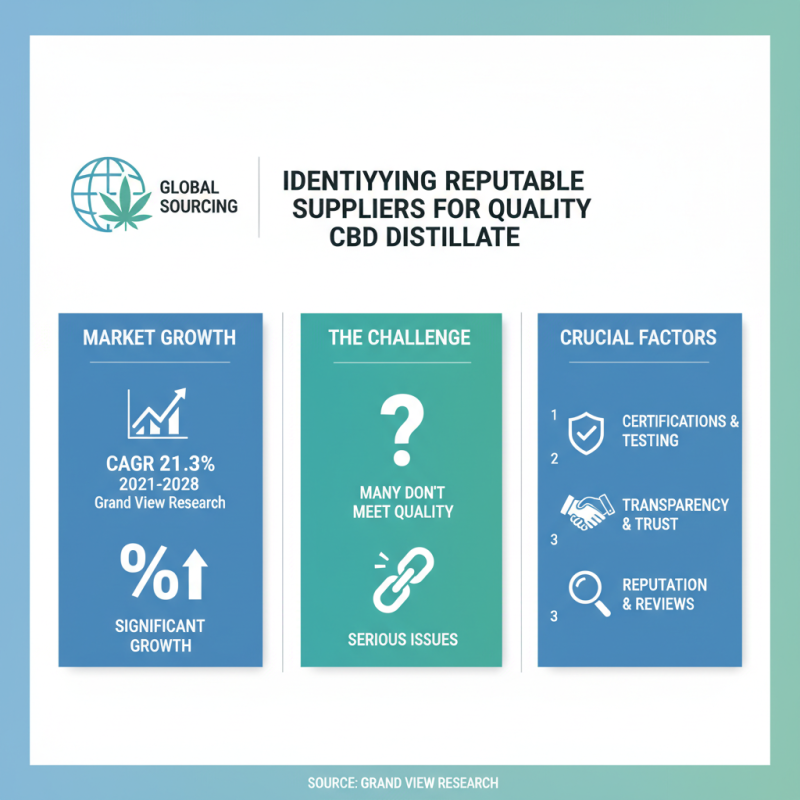
When sourcing quality CBD distillate globally, it is crucial to identify reputable suppliers. The market is projected to grow significantly, with a report from Grand View Research indicating a CAGR of 21.3% from 2021 to 2028. Despite this growth, many suppliers do not meet quality standards, which can lead to serious challenges.
Research plays a key role in finding reliable suppliers. Look for those with third-party testing reports. These documents provide insight into the purity and potency of their products. High-quality CBD distillate should contain at least 80% cannabinoids. If the supplier cannot supply these documents, it raises concerns about their credibility.
Networking within the industry can also help. Attend trade shows and conferences to connect with experienced professionals. A 2019 Hemp Industry Association report found that 75% of suppliers gathered most of their leads from connections at such events. This highlights the importance of relationships in identifying trustworthy suppliers. Be wary of suppliers who do not possess relevant certifications or share their sourcing methods. This lack of transparency could be a red flag.
Evaluating Third-Party Testing and Certification Standards
When sourcing quality CBD distillate globally, evaluating third-party testing and certification standards is crucial. Third-party testing ensures the product's safety and efficacy. According to a 2021 report by the Hemp Industry Association, nearly 70% of CBD products do not meet label claims regarding cannabinoid content. This highlights the importance of rigorous testing to verify product integrity.
Seek companies that provide Certificates of Analysis (COAs) from reputable labs. These documents offer insight into cannabinoid profiles, contaminants, and compliance with legal standards. Look for ISO-accredited labs. Such accreditation signifies reliability and adherence to stringent testing protocols. A study by the Journal of Cannabis Research revealed that products with certified testing had a 25% higher consumer trust level.
Utilize online resources to check lab reputations. Reviews contribute to informed decision-making. Industry experts suggest scrutinizing the testing methods used. Avoid companies that lack transparency. Relying solely on brand reputation can backfire. The data shows many popular brands have faced quality issues. Make educated choices for optimal sourcing and safety.
Assessing Legal Regulations and Compliance for International Sourcing
When sourcing CBD distillate internationally, understanding legal regulations is crucial. Different countries have varying laws about CBD products. Some nations allow CBD derived from hemp, while others have strict prohibitions. Research local laws before considering sourcing from specific regions. This diligence ensures that you are compliant and can avoid potential legal issues.
Navigating compliance is not straightforward. Each country has its own regulatory framework that can change over time. For example, some regions may require specific licenses for import and export. Additionally, third-party testing may be mandatory, establishing quality and safety standards. Staying informed can prevent costly mistakes and safeguard your operations.
Consulting with legal experts can provide insights into complex regulations. They can help in understanding the nuances of each market. Compliance is not just about adhering to the law; it builds credibility with consumers and partners. Exploring these regulations deeply can highlight areas for improvement in sourcing strategies.
Establishing Effective Communication and Negotiation Strategies with Suppliers
Effective communication with suppliers is crucial when sourcing quality CBD distillate. Clarity in your messaging sets the tone for the relationship. Be concise and direct in your requests. This ensures that your suppliers understand your needs. Use simple language to minimize misunderstandings. Incorporate visuals or samples to illustrate your expectations. This can aid in bridging any potential gaps in comprehension.
Negotiation strategies should prioritize mutual benefit. Build rapport with suppliers to foster trust. Approach negotiations with an open mind. Be prepared to compromise on certain terms while defending your key priorities. Document everything discussed during meetings. This creates transparency and accountability. Regular check-ins can help address issues early. Mistakes can happen, and addressing them openly can strengthen your partnership over time. Keep the dialogue ongoing, even after a deal is reached.