How to Use Topical CBD Oil for Pain Relief Effectively?
Topical CBD oil for pain has gained popularity as a natural remedy. Many individuals seek alternatives to traditional painkillers. This rising interest is fueled by anecdotal evidence and preliminary studies suggesting its effectiveness.
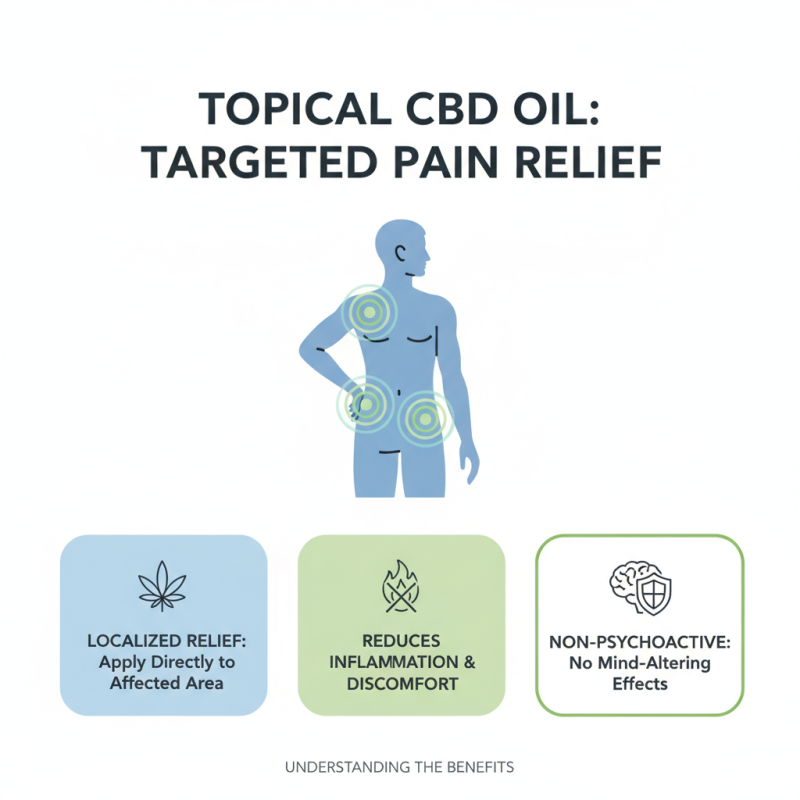
Using topical CBD oil can offer targeted relief. When applied directly to the skin, it interacts with receptors in the body. This localized approach can help reduce inflammation and alleviate discomfort. However, results can vary from person to person. Some may find significant relief, while others may experience minimal effects.
It is essential to approach this method with realistic expectations. Understanding how to use topical CBD oil effectively is key. Factors such as skin type and the severity of pain can influence outcomes. Experimentation may be necessary to find the right product and dosage. Engaging with reputable sources and consulting healthcare professionals is advisable.
Understanding Topical CBD Oil and Its Benefits for Pain Relief
Topical CBD oil has become increasingly popular for pain relief. Unlike other forms, it targets specific areas. Many users report reduced inflammation and discomfort after application. This method offers localized effects without the psychoactive effects commonly associated with CBD.
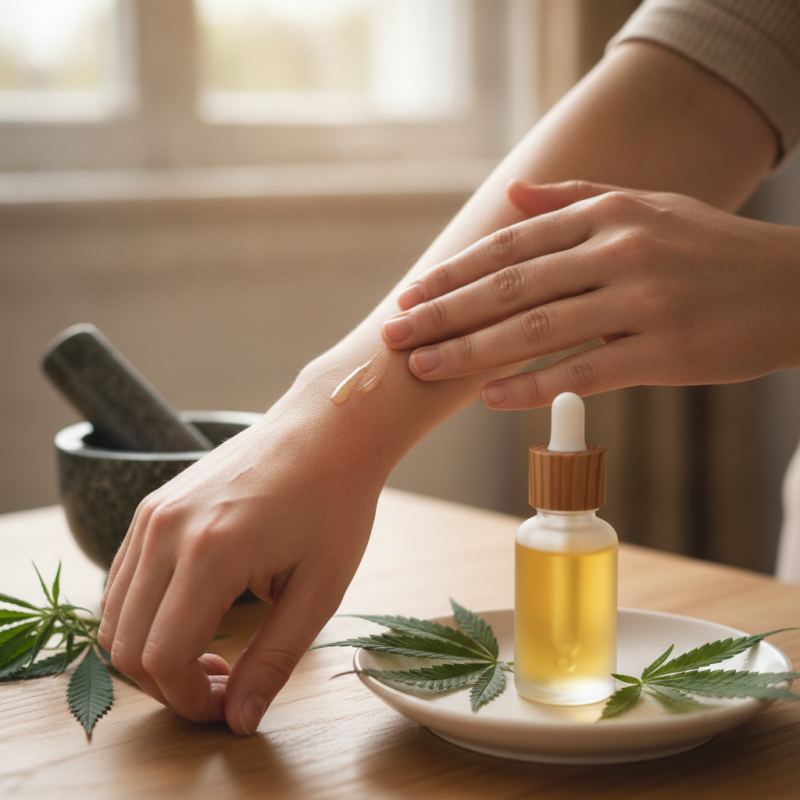
When using topical CBD oil, consider applying it directly to the affected area. This allows for maximum absorption. Ensure your skin is clean and dry before application. It may take some time to feel the effects, so be patient. Experiment with different amounts to find what works best for you.
Tips: Start with a small amount and increase gradually. Monitor how your body reacts. If you experience irritation, discontinue use. Always consult a healthcare professional if you have concerns about interactions with other treatments. Keep in mind that results vary widely among individuals, so what works for one person might not work for another.
Choosing the Right Topical CBD Oil for Your Needs
Choosing the right topical CBD oil for your needs can be challenging. The market is saturated with various options, making it important to understand what to look for. Start by checking the concentration of CBD in the product. Higher concentrations may provide more effective pain relief, while lower amounts might be suitable for minor aches.
Consider the formulation as well. Some oils contain additional ingredients like menthol or eucalyptus, enhancing their effects. These can provide extra cooling or soothing sensations. Always read the ingredient list carefully; avoid products with artificial additives or fillers. This ensures you use a product that is not only effective but also safe.
Tips: Always perform a patch test when trying a new product. Apply a small amount to a discreet area to check for any adverse reactions. If you have chronic pain, it may take time to find the right formulation. Don't hesitate to consult with a healthcare professional for personalized advice. Remember to document your experiences. This can help pinpoint what works best for you.
Steps to Apply Topical CBD Oil for Maximum Effectiveness
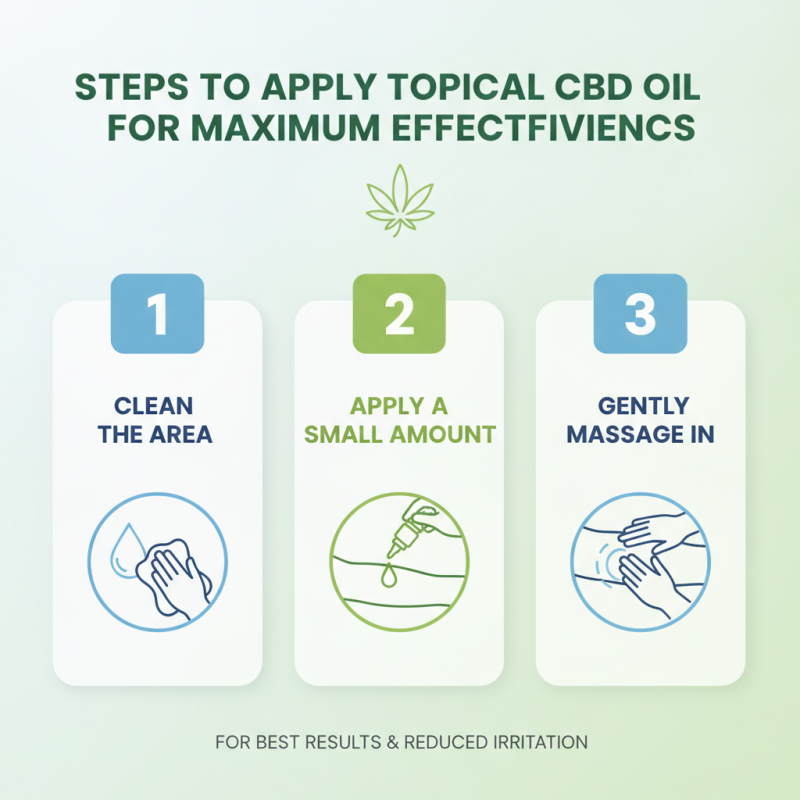
Topical CBD oil has gained attention for pain relief, with studies indicating its potential effectiveness. The application process is crucial for achieving desired results. To maximize effectiveness, start with a clean area. This ensures better absorption and reduces skin irritation.
When applying, use a small amount of oil. Research suggests that starting low and assessing your body’s response is essential. Gradually increase the amount if needed. Gently massage the oil into the skin for about 30 seconds. This helps enhance circulation and absorption, allowing your body to utilize the compounds more effectively.
Consistency is key in using topical CBD oil. Many users report improvements after a few weeks of regular application. Clinical studies indicate that CBD might help alleviate discomfort in localized areas. However, individual experiences can vary. Always keep track of how your body reacts and adjust as necessary. Be mindful that while some find relief, others may need a different approach.
Frequency and Dosage Guidelines for Topical CBD Oil Use
When using topical CBD oil for pain relief, understanding the correct frequency and dosage is crucial. Research suggests that effective dosing can vary greatly among individuals. Typically, starting with a low dose, such as 5-10 mg, and gradually increasing it is advisable. This allows users to assess their tolerance and effectiveness. A study published in the Journal of Pain Research found that some individuals benefit from applying CBD oil every 4 to 6 hours for sustained relief.
Topical applications often yield localized effects. For instance, applying CBD oil directly to sore muscles or joints may produce significant pain relief. However, the skin's absorption varies. Factors such as skin type and the area of application can influence results. Users might need to experiment with dosage; some may find success with twice-daily applications, while others may require more frequent use.
Keep track of your experiences. What works for one person might not work for another. Documenting your daily reactions can help in fine-tuning your approach. The key is patience and adaptation. While the potential for CBD in pain management is promising, it demands careful monitoring and adjustment to achieve optimal results.
Topical CBD Oil Usage for Pain Relief
Potential Side Effects and Considerations When Using CBD Oil
Topical CBD oil is increasingly popular for pain relief. However, potential side effects and considerations must be understood. A study published in the journal *Cannabis and Cannabinoid Research* found that 60% of CBD users reported mild to moderate side effects. Fatigue, gastrointestinal issues, and skin irritation were common complaints. Recognizing these can guide individuals in making informed decisions.
When using topical CBD oil, it’s essential to consider dosing and application frequency. While many users report positive effects after a few applications, others might experience limited benefits. A report by the National Institutes of Health (NIH) indicates that individual responses to CBD can vary significantly. Lap research revealed that some users did not find relief until adjusting their dosage. Therefore, observing one’s body’s reaction is crucial.
Furthermore, potential interactions with medications warrant attention. The *British Journal of Clinical Pharmacology* highlighted that CBD can affect how some drugs are metabolized. Individuals on other medications should consult healthcare professionals before use. Though topical CBD oil is generally safe, understanding side effects and interactions can enhance its effectiveness for pain relief.
How to Use Topical CBD Oil for Pain Relief Effectively
| Aspect |
Details |
| Application Method |
Apply a small amount directly to the affected area |
| Dosage |
Start with a low dose (about 5-10 mg) and adjust based on relief |
| Frequency of Use |
Can be used as needed; often 2-3 times a day |
| Onset of Effects |
Effects can be felt within 15-30 minutes |
| Potential Side Effects |
Skin irritation, allergic reactions, or fatigue |
| Considerations |
Consult a healthcare provider if pregnant, nursing, or on medication |