How to Use Non Thc Cbd Oil for Wellness Benefits?
In recent years, Non THC CBD Oil has gained significant attention in wellness circles. According to a report from the Brightfield Group, the CBD market is projected to reach $23.7 billion by 2023. This growth reflects a rising interest in natural alternatives for health benefits. Non THC CBD Oil, derived from hemp, is being embraced for its potential effects without the psychoactive properties associated with THC.
People often use Non THC CBD Oil to manage stress, anxiety, and even pain. A survey by Gallup found that 14% of Americans use CBD products. Many users report improvements in their overall wellbeing. However, the market remains largely unregulated. This causes confusion and raises questions about quality and efficacy.
Choosing the right Non THC CBD Oil can feel overwhelming. Users should consider factors such as source and extraction methods. Transparency in labeling is crucial. It’s vital to recognize that not all products are created equal. Being informed can help users make better choices. As research continues, the full potential of Non THC CBD Oil for wellness remains an exciting field of exploration.
Understanding Non-THC CBD Oil and Its Wellness Benefits
Non-THC CBD oil has gained popularity for its wellness benefits. This oil contains cannabidiol without the psychoactive effects of THC. Research shows that CBD may help manage anxiety, promote sleep, and reduce inflammation. A report by the World Health Organization highlights that CBD is generally well-tolerated and safe.
Using non-THC CBD oil may improve overall wellness. Many users report a sense of calm and better focus. A 2020 study found that nearly 80% of CBD users experienced a reduction in anxiety levels. However, it’s essential to consider that individual reactions can vary. Some may find it less effective than others.
**Tips:** Start with a low dosage and monitor your body's response. Give it time; effects may take a few weeks to become noticeable. Remember, consistency is key to experiencing potential benefits. Some users face challenges finding the right product. Always seek trusted sources and consult a healthcare professional if needed.
Key Differences Between THC and Non-THC CBD Products
When exploring wellness benefits, understanding the differences between THC and non-THC CBD products is essential. THC, or tetrahydrocannabinol, is the compound responsible for the psychoactive effects commonly associated with cannabis. Non-THC CBD products, on the other hand, do not produce these effects. They offer potential benefits like reduced anxiety, improved sleep, and pain relief without affecting your mental state.
Consider how non-THC CBD can fit into your wellness routine. For instance, you might try non-THC CBD oil to start your day. A few drops can provide a calming effect. It’s also great for those who want to avoid any intoxication. Remember, being mindful about your choice is vital.
Tips: Start with a low dosage and observe how your body reacts. Each person’s response can vary. Adjust your intake based on your experience. Additionally, consider your daily activities. Using non-THC CBD before challenging tasks can enhance focus. Keep it simple, yet effective. The experience of using these products can be personal and reflective. Embrace the journey and learn along the way.
How to Use Non THC CBD Oil for Wellness Benefits? - Key Differences Between THC and Non-THC CBD Products
| Aspect |
Non-THC CBD Oil |
THC CBD Oil |
| Psychoactive Properties |
None |
Present |
| Legal Status |
Legal in most places |
Varies by region |
| Health Benefits |
Anxiety relief, pain reduction |
Pain relief, appetite stimulation |
| User Experience |
Clear-headed, non-intoxicating |
Potentially intoxicating |
| Common Uses |
Stress relief, general wellness |
Chronic pain, nausea |
Scientific Studies Supporting CBD's Health Benefits
Numerous scientific studies have highlighted the potential health benefits of non-THC CBD oil. Research from the National Institutes of Health shows that CBD may help reduce anxiety. In a study published in the Journal of Psychopharmacology, participants reported lower anxiety levels after taking CBD. This effect is promising for those struggling with daily stressors.
Another area of interest is pain management. A report by the total pain management experts suggests that CBD can interact with the endocannabinoid system. This interaction may help alleviate chronic pain. Although results vary among individuals, many users report reduced discomfort and improved mobility.
Tips: Start with a small dose and gradually increase it. This approach helps determine your ideal amount. Always consult a healthcare professional before starting any new wellness regimen. Be aware that not everyone experiences the same results with CBD, making personal experimentation crucial. Listening to your body as you try CBD will provide valuable insights.
Dosage Guidelines for Non-THC CBD Oil Usage
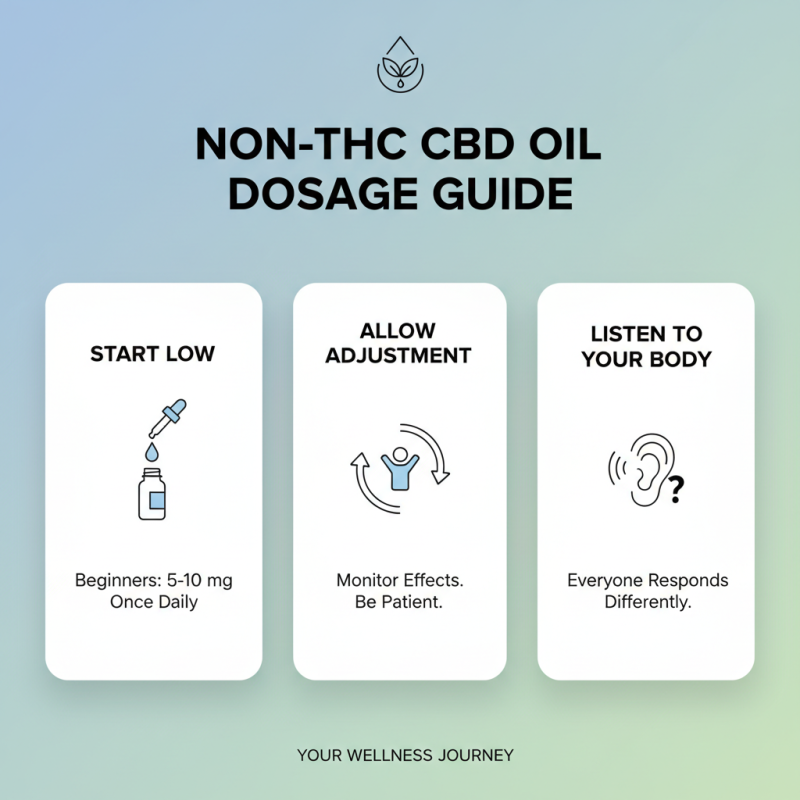
When considering non-THC CBD oil for wellness, dosage is crucial. Start with a low dose. For beginners, 5 to 10 mg, once daily, can be effective. This allows your body to adjust. Monitor how you feel. Everyone responds differently.
After a week, evaluate the effects. If you feel comfortable, you might increase the dose. Increment by 5 mg at a time. Some people find that 20 to 30 mg works best. However, too much may cause discomfort. Be mindful of your body’s signals.
As you use non-THC CBD oil, decide the best time for you. Some prefer morning wellness, while others like evening relaxation. Keep a journal of your experiences. It helps identify patterns. Remember, there is no one-size-fits-all approach. Finding the right dosage takes time and patience.
Incorporating Non-THC CBD Oil into Your Daily Wellness Routine
Incorporating non-THC CBD oil into your daily wellness routine can be straightforward. Start by adding a few drops into your morning smoothie. This can help set a calm tone for your day. Some find it effective for easing anxiety. Consider taking it with breakfast to promote better absorption. It may take time to feel the results.
You can also apply non-THC CBD oil topically. Try using it on sore muscles after your workout. This method allows targeted relief. The oil may help reduce inflammation and promote recovery. However, be patient. Results can vary, and it’s essential to listen to your body.
Think about using it before bedtime as well. A few drops under your tongue might encourage relaxation. Creating a nightly routine with this addition could improve your sleep quality. Yet, reflect on how you feel. Tracking your wellness journey can reveal what works best for you.