How to Use CBD for Effective Pain Relief?
The search for effective pain relief has led many to explore the benefits of CBD. Dr. Sarah Johnson, a renowned expert in the CBD Pain Relief industry, states, "CBD offers a promising alternative for those suffering from chronic pain." This has ignited interest among patients and healthcare providers alike.
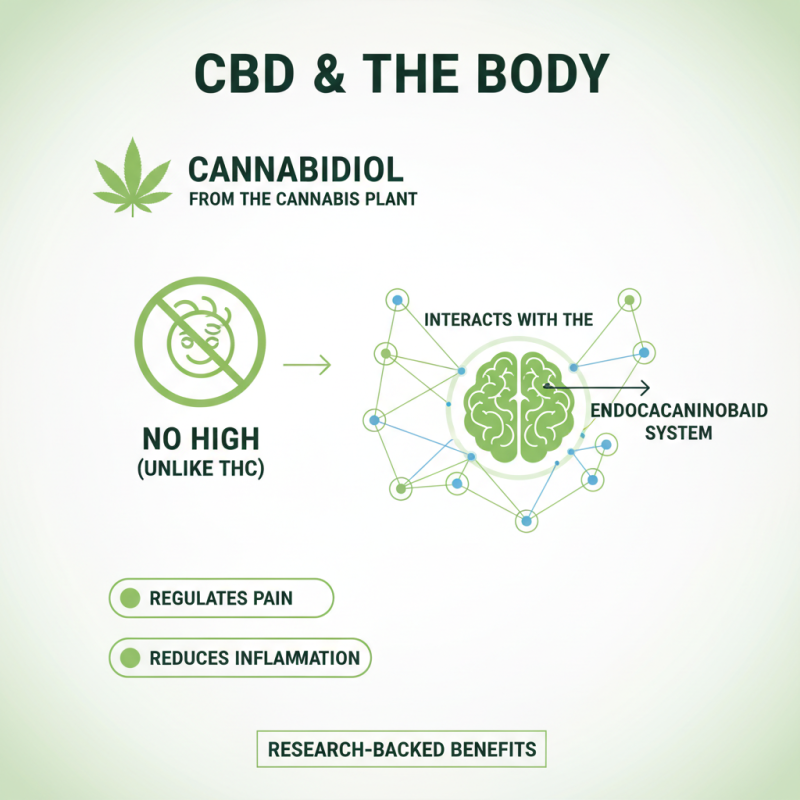
CBD, or cannabidiol, is derived from the hemp plant. It interacts with the body’s endocannabinoid system, which plays a role in pain regulation. Many users report significant relief from conditions like arthritis, migraines, and fibromyalgia. However, experiences can vary widely. Not everyone finds the same results, and some may feel little to no effect at all.
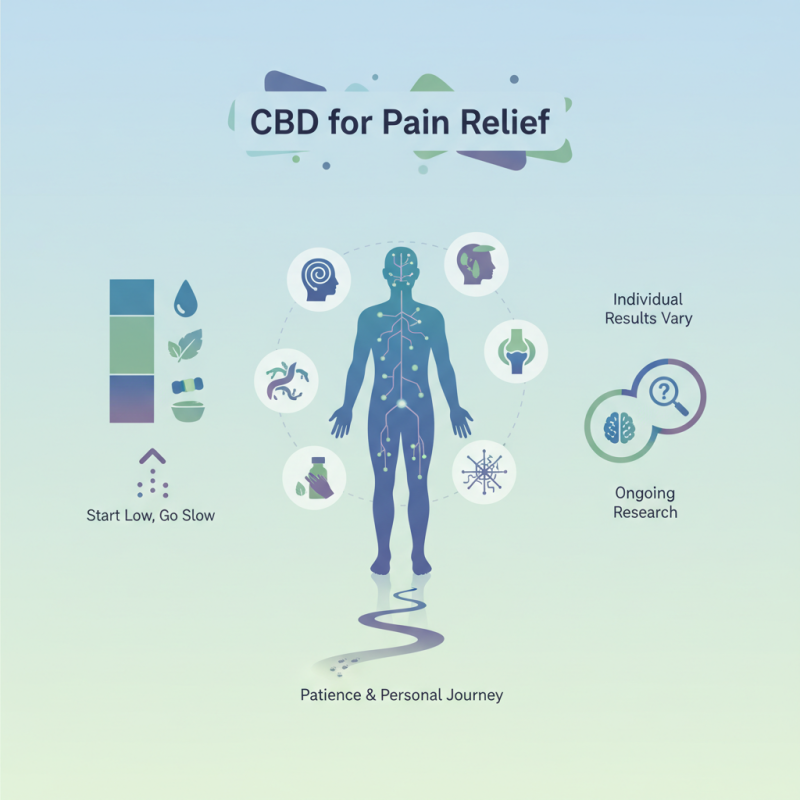
Choosing the right CBD product is crucial. Oils, edibles, and topicals all offer different benefits. It's essential to start with a low dose and adjust as needed. Pain can be complex, and what works for one person may not work for another. As Dr. Johnson suggests, ongoing research is vital to fully understand how CBD can be best utilized for pain management. The journey to finding the right solution may require patience and reflection on personal experiences.
Understanding CBD: What It Is and Its Impact on Pain Relief
CBD, or cannabidiol, is a compound derived from the cannabis plant. It does not induce a high, unlike its cousin THC. Research shows that CBD interacts with the body's endocannabinoid system, which plays a crucial role in regulating pain and inflammation.
A report from the National Institutes of Health indicates that around 25% of American adults suffer from chronic pain. CBD has emerged as an alternative for pain management. A study published in the European Journal of Pain found that CBD applied topically could significantly reduce inflammation and pain in rats. While this research is promising, studies on humans are still limited.
Many people report a subjective decrease in their pain levels after using CBD. A survey by the Arthritis Foundation revealed that 79% of respondents with arthritis said that CBD helped alleviate their pain. However, individual responses can vary widely. Not everyone will experience relief. It's worth noting that determining the right dosage can be challenging, and some might need to experiment with different forms of CBD.
The Endocannabinoid System: How CBD Interacts with Pain Signals
The endocannabinoid system (ECS) plays a crucial role in how CBD interacts with pain signals in the body. It consists of receptors found throughout the body. These receptors communicate with cannabinoids, like CBD, to help regulate pain sensation. Research indicates that CBD may reduce inflammation, which is often a key factor in pain.
Using CBD can be a journey. Start with a low dose to assess its effects. Pay attention to how your body responds. Some individuals report reduced pain after consistent use, while others may not experience immediate results. This variability can be frustrating. Patience is essential.
Tips: Keep a journal of your experiences. Note any changes in pain levels or mood. This can help you understand what dosage works best. Experiment with different methods of intake. Oils, capsules, or topicals can have varying effects. Be mindful of what suits you best. Adjustments may be needed over time, so stay flexible in your approach.
How to Use CBD for Effective Pain Relief? - The Endocannabinoid System: How CBD Interacts with Pain Signals
| Pain Type |
CBD Dosage (mg) |
Effectiveness Rating |
Onset Time (Minutes) |
| Chronic Pain |
20-50 |
8/10 |
30 |
| Arthritis |
25-75 |
9/10 |
20 |
| Migraine |
10-30 |
7/10 |
15 |
| Muscle Pain |
15-40 |
8/10 |
25 |
| Post-Surgery Pain |
30-100 |
9/10 |
40 |
Research Findings: Clinical Studies on CBD and Pain Management
Recent clinical studies have shown promising results in using CBD for pain management. Researchers found that CBD may interact with the body’s endocannabinoid system. This interaction could potentially alter pain perception. Patients in some trials reported reduced inflammation and discomfort. However, outcomes can vary significantly among individuals.
One study indicated that CBD might be effective for chronic pain relief, but not everyone found it beneficial. Some participants experienced side effects like fatigue or gastrointestinal issues. These inconsistencies highlight the need for more comprehensive research. Many experts stress that dosing and product formulation play critical roles in effectiveness. A one-size-fits-all approach does not apply here.
Patients considering CBD should consult with healthcare providers. Individual health conditions and medications could affect results. Exploring different strains or formulations is essential for finding what works best. Experimentation might lead to better outcomes, but it’s essential to remain cautious and informed throughout the process.
Dosage Guidelines: How to Determine the Right Amount of CBD for Pain
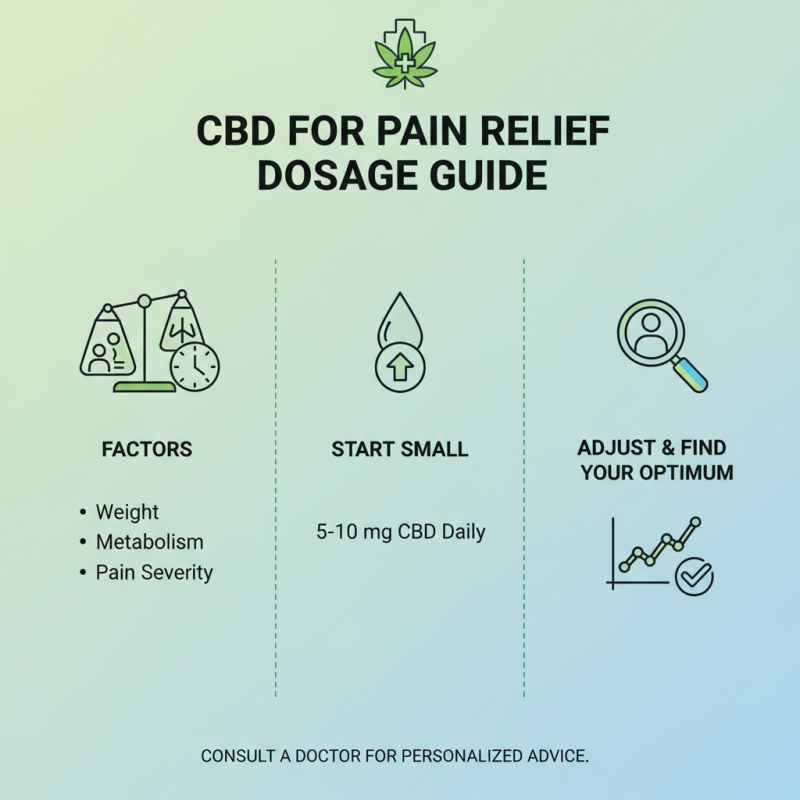
When it comes to using CBD for pain relief, finding the right dosage is crucial. The ideal amount of CBD varies from person to person. Factors like weight, metabolism, and the severity of pain play significant roles. Start small. A common recommendation is to begin with 5-10 mg of CBD daily. Gradually increase this amount until you find what works best for you.
Tips: Keep a journal. Note how much you take and how you feel after. This will help you track your progress. It’s helpful to adjust your dosage based on your body's response. If you feel no relief after a week, consider increasing your dose slightly.
Don't forget about delivery methods. Oils, capsules, or topical creams all have different absorption rates. Oils may work faster than capsules. However, the effect may vary based on your body. For some, topical applications yield the best results. It's essential to test and see what suits you. Always listen to your body. Pain relief can be a process of trial and error.
Methods of CBD Consumption: Oils, Gummies, and Topicals Explained
When exploring CBD for pain relief, several methods of consumption stand out. Oils are popular for their fast absorption. A few drops under the tongue can yield quick effects. However, the taste may not appeal to everyone. Some find it earthy or too strong. This can be a barrier for beginners.
Gummies offer a tasty alternative. They come in different flavors and dosages. A quick snack can provide a discreet way to relieve discomfort. On the downside, it takes longer for the effects to kick in. This delay might frustrate those needing immediate relief.
Topicals are another method worth considering. Creams and balms can be applied directly to painful areas. They target localized discomfort without entering the bloodstream. Users often appreciate this specificity. However, finding the right product can require trial and error. Not every topical will work for everyone. It's important to experiment and reflect on personal experiences with each method.
How to Use CBD for Effective Pain Relief?