Top 10 Pros and Cons of CBD Oil You Need to Know Before Trying
CBD oil has surged in popularity as a natural remedy for various health concerns, attracting a diverse audience ranging from wellness enthusiasts to those seeking alternative treatments for chronic conditions. However, before diving into the world of CBD, it is crucial to weigh the Pros and Cons of CBD Oil to understand its potential benefits and limitations fully. While many proponents advocate for its therapeutic properties, including pain relief and anxiety reduction, skeptics raise concerns about side effects and the lack of scientific consensus on its efficacy.
In this article, we will explore the top 10 Pros and Cons of CBD Oil you need to know before trying it. From its soothing properties to the uncertainties surrounding its long-term use, we aim to provide an insightful overview that helps you make an informed decision. Whether you are considering incorporating CBD oil into your wellness routine or merely curious about its effects, understanding these key aspects will guide you in navigating this complex landscape with greater clarity and confidence.
Understanding CBD Oil: An Overview of Its Uses and Benefits
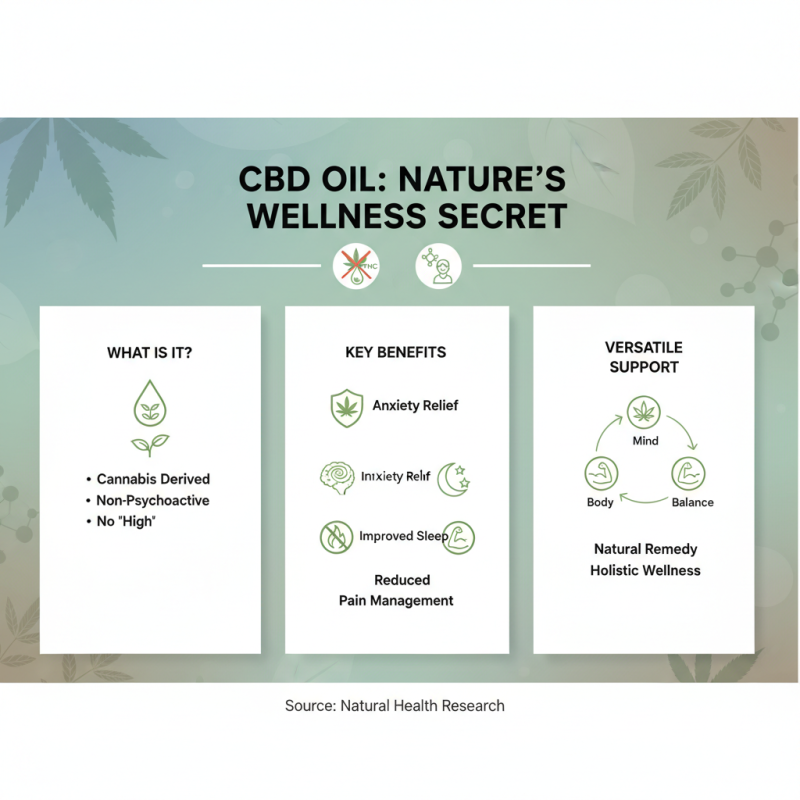
CBD oil has gained significant attention in recent years as a natural remedy for various health concerns. Derived from the cannabis plant, it is important to distinguish CBD (cannabidiol) from THC (tetrahydrocannabinol), the latter being the compound associated with psychoactive effects. Instead, CBD is non-psychoactive, which allows individuals to experience potential benefits without the "high." Its uses range from alleviating anxiety and improving sleep to managing chronic pain and reducing inflammation, making it a versatile option for many seeking alternative therapies.
The benefits of CBD oil are attributed to its interaction with the body's endocannabinoid system, which plays a crucial role in regulating various physiological processes. Many users report experiencing a sense of calm and relaxation, improved mood, and even enhanced focus. Additionally, research continues to explore its potential in managing conditions like epilepsy, multiple sclerosis, and more. However, while many anecdotal reports highlight the positive aspects of CBD oil, it's essential to approach its use with caution, understanding that individual responses can vary and more scientific studies are needed to fully understand its effects and therapeutic potential.
The Top 5 Advantages of Using CBD Oil for Health and Wellness
CBD oil has gained significant popularity for its potential health benefits which makes it worth considering for those seeking alternative wellness solutions. One of the primary advantages of using CBD oil is its ability to alleviate anxiety and stress. Many users report feeling a sense of calm and relaxation after using CBD, which may help in managing daily stressors and improving overall mental health.
Another notable benefit is its anti-inflammatory properties. CBD oil has been observed to reduce inflammation, making it a potential natural remedy for various conditions such as arthritis or muscle soreness. Moreover, it may assist in pain management, providing relief without the side effects typically associated with over-the-counter pain medications.
Lastly, CBD oil is often praised for its potential to improve sleep quality. Many individuals struggling with insomnia or disrupted sleep patterns find that incorporating CBD into their nightly routine helps them fall asleep faster and achieve a more restful state. Overall, these advantages highlight the potential of CBD oil as a valuable addition to a health and wellness regimen.
Exploring the Potential Risks and Side Effects of CBD Oil
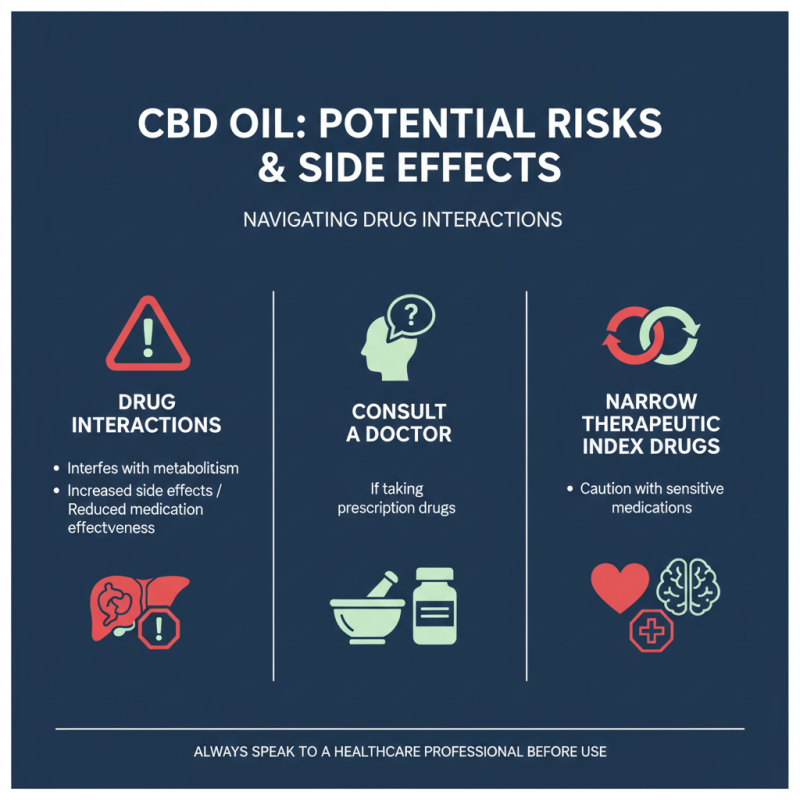
While CBD oil is often praised for its potential benefits, it is essential to recognize the possible risks and side effects associated with its use. One of the primary concerns is its interaction with other medications. CBD has been shown to interfere with the metabolism of certain drugs, which can lead to increased side effects or reduced effectiveness of those medications. Individuals taking prescription drugs, especially those that have a narrow therapeutic index, should consult with a healthcare professional before incorporating CBD oil into their regimen.
Another potential risk of CBD oil is its side effects, which can range from mild to severe. Some users report experiencing fatigue, changes in appetite, diarrhea, and drowsiness. Though these effects are generally mild, they can be bothersome for some individuals. Moreover, the long-term effects of CBD use remain largely unknown, raising concerns about its safety, particularly when taken in high doses or for extended periods. As research continues to evolve, it is crucial for prospective users to weigh these risks against the potential benefits and proceed with caution.
Legal Status and Regulations Surrounding CBD Oil Usage
The legal status of CBD oil varies significantly across different jurisdictions, with regulations frequently evolving as public interest grows. In the United States, for instance, the 2018 Farm Bill legalized hemp-derived CBD containing less than 0.3% THC at the federal level, allowing for a more accessible market. However, individual states maintain the authority to impose their own regulations, leading to a patchwork of legality. According to a 2021 report from the Hemp Industry Association, the legal hemp market in the U.S. reached an estimated $824 million in sales, highlighting how regulatory frameworks can shape industry growth.
In international contexts, CBD legality ranges from fully legal in some countries to outright prohibition in others. A report from the World Health Organization (WHO) suggests that while CBD is not associated with abuse potential, countries must establish clear guidelines to govern its use. For example, Canada legalized cannabis, including CBD products, in 2018, resulting in a booming market and increased research into therapeutic benefits. Ultimately, understanding the legal landscape is crucial for consumers and businesses alike, as navigating varying local laws can impact product availability and legal compliance.
Factors to Consider Before Incorporating CBD Oil into Your Routine
Before incorporating CBD oil into your daily routine, several critical factors need consideration to ensure it's the right choice for you. First, assess your personal health goals. Understanding what you hope to achieve with CBD—whether it's pain management, anxiety reduction, or improved sleep—can help you determine if this supplement aligns with your needs. Additionally, it's essential to consider your current health conditions and medications, as CBD may interact with some treatments. Consulting with a healthcare professional is advisable to ensure safe usage.
Another important factor is the quality and source of the
CBD oil. Not all products are created equal, and variations in extraction methods and hemp sourcing can impact the oil's efficacy and safety. Look for products that provide
third-party lab testing, ensuring transparency regarding their cannabinoid content and the absence of harmful additives. Moreover, keep in mind the method of consumption, as oils can be taken sublingually, added to foods, or used in topical applications, each with varying onset times and effects. Taking these factors into account can help you make an informed decision about incorporating CBD oil into your health regimen.