Choosing a dependable Cbd Extract supplier requires more than comparing prices or scanning polished websites. Global buyers must examine product quality, documentation, traceability, and legal readiness. A reliable supplier should provide batch-specific certificates of analysis, showing cannabinoid content, pesticides, heavy metals, solvents, microbes, and residual contaminants. Testing should come from an independent laboratory. Clear results matter.
Dr. Ethan Russo, a leading cannabinoid researcher, stated, “The endocannabinoid system is involved in virtually every aspect of human health and disease.” This perspective supports careful, evidence-based sourcing. It does not justify medical promises. Responsible suppliers describe their products accurately and avoid unsupported treatment claims. Buyers should also check extraction methods, carrier oils, packaging, storage conditions, and minimum order requirements. Small details often reveal operational discipline.
This guide reviews five CBD extract suppliers serving international buyers. Each company is considered through practical criteria, including manufacturing standards, documentation, product consistency, communication, and export experience. GMP certification can strengthen confidence, but it should be verified rather than assumed. Check the certificate’s scope and issuing body. Import rules also vary by destination, product type, concentration, labeling, and intended use. A supplier cannot guarantee customs approval everywhere.
Some supplier information may change quickly. That is worth admitting. Prices, certifications, and shipping policies require direct confirmation before purchase. Buyers should request recent documents, sample testing, and written compliance statements. The best choice may not be the largest supplier. It is the one that can prove what it sells, explain how it is made, and respond clearly when questions become difficult.
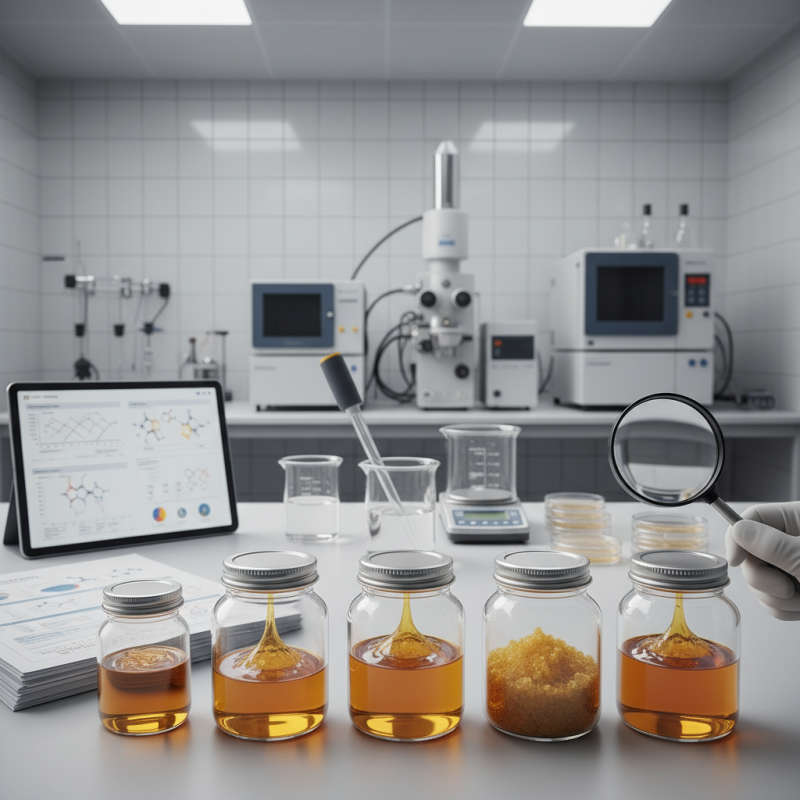
CBD extract is a concentrated ingredient containing cannabidiol from legally cultivated hemp. Depending on the process, it may also contain terpenes, other cannabinoids, or carrier oils. Extraction quality affects color, flavor, consistency, and storage stability. A darker liquid is not automatically better.
Global buyers need reliable suppliers because CBD rules differ widely between countries. Limits for THC, labeling, permitted ingredients, and import documents can change by market. A product accepted in one region may require reformulation elsewhere. Buyers should confirm local requirements before placing an order.
A dependable supplier provides batch-specific certificates of analysis from an independent laboratory. These reports should show cannabinoid levels and screen for pesticides, heavy metals, residual solvents, and microbial contamination. Traceability matters too. Look for a batch number, production date, extraction method, and clear storage instructions. Good suppliers also explain their quality systems without hiding behind vague claims.
Small details reveal much. Ask how samples are sealed, whether shipping conditions are monitored, and how complaints are handled. A polished certificate alone is not enough. Documents can be outdated, incomplete, or disconnected from the shipped batch. That uncomfortable gap deserves attention. No checklist removes every risk, and local regulatory advice remains necessary. Reliable sourcing is careful work, not a quick price comparison.
| Supplier Profile | Main CBD Extract Type | Typical Market CBD Content | Common Extraction Method | Documents Global Buyers Should Request | Best Use Case | Key Verification Point |
|---|---|---|---|---|---|---|
| Supplier 1: Industrial-Scale Crude Extract Producer | Full-spectrum crude CBD extract | Usually about 40%–70% CBD, depending on hemp variety and processing | Supercritical carbon dioxide extraction | Batch-specific certificate of analysis, pesticide report, heavy-metal report, residual-solvent report, microbiological test, and origin documents | Large-volume manufacturing of oils, capsules, cosmetics, and intermediate ingredients | Confirm cannabinoid profile, THC level, batch consistency, and whether winterization or filtration has been completed |
| Supplier 2: Refined CBD Distillate Manufacturer | CBD distillate, available as full-spectrum or broad-spectrum material | Commonly about 70%–90% CBD, although specifications vary by batch | Carbon dioxide extraction followed by winterization, filtration, and short-path or wiped-film distillation | Independent laboratory COA, THC result, terpene profile, contaminant screening, stability information, and technical data sheet | Formulators that need a more concentrated and consistent CBD ingredient | Check whether the stated potency is measured by weight, whether THC is detectable, and whether the COA matches the lot number |
| Supplier 3: CBD Isolate Producer | Purified CBD isolate | Typically at least 98% CBD, with the exact specification set by the supplier and test method | Extraction, purification, crystallization, filtration, and drying | Identity and purity test, residual-solvent test, heavy-metal test, pesticide test, microbiological analysis, allergen statement, and SDS | Products requiring a neutral flavor, low terpene content, and minimal or non-detectable THC | Verify purity by an independent laboratory and review the permitted THC threshold in the destination market |
| Supplier 4: Broad-Spectrum Extract Specialist | Broad-spectrum CBD extract with multiple hemp compounds and THC removed or reduced to the applicable limit | Often about 70%–90% CBD, but the cannabinoid profile differs by formulation | Carbon dioxide or ethanol extraction followed by filtration, chromatography, or distillation | Full cannabinoid panel, THC non-detect or compliance result, terpene report, contaminant screening, process description, and regulatory statement | International formulations seeking broader hemp-compound profiles without intentionally added THC | Do not rely only on the term “THC-free”; request the laboratory detection limit and the complete cannabinoid panel |
| Supplier 5: Water-Soluble CBD Ingredient Supplier | Water-dispersible CBD powder, emulsion, or liquid concentrate | Commonly about 5%–20% CBD in finished water-soluble systems; concentrated powders may be higher | CBD isolate or distillate combined with emulsification, nano-dispersion, or encapsulation technology | CBD assay, particle-size or dispersion data, stability data, microbial testing, carrier-material declaration, allergen statement, and storage requirements | Beverages, functional foods, powdered premixes, and formulations that require improved water dispersion | Confirm whether “water-soluble” means fully dissolved or merely dispersed, and check stability across pH, temperature, and storage conditions |
Note: CBD concentration ranges shown above are general market ranges rather than claims about any specific company or brand. Actual specifications depend on the raw material, extraction process, purification level, test method, and applicable regulations in the destination country.