Leave Your Message

How to Source Hemp Terpenes Globally in 2026?

Sourcing Hemp Terpenes globally in 2026 requires more than comparing prices. Buyers must connect botanical identity, quality evidence, and lawful trade documentation. Hemp Terpenes are aromatic compounds, often supplied as isolated ingredients or plant-derived blends. Their value depends on composition, stability, and intended use. A bright citrus note may fade quickly if storage is poor. That detail matters.

Experienced procurement teams begin with a defined specification. It should state source material, target profile, carrier, purity range, allergens, and packaging. Request a current certificate of analysis for every batch. Useful testing may include GC-MS, residual-solvent screening, heavy-metal analysis, and microbial checks. Do not treat one laboratory report as permanent proof. Batch numbers, retain samples, and an auditable chain of custody strengthen confidence. Supplier interviews also reveal practical habits, such as temperature-controlled shipping and clear deviation procedures.

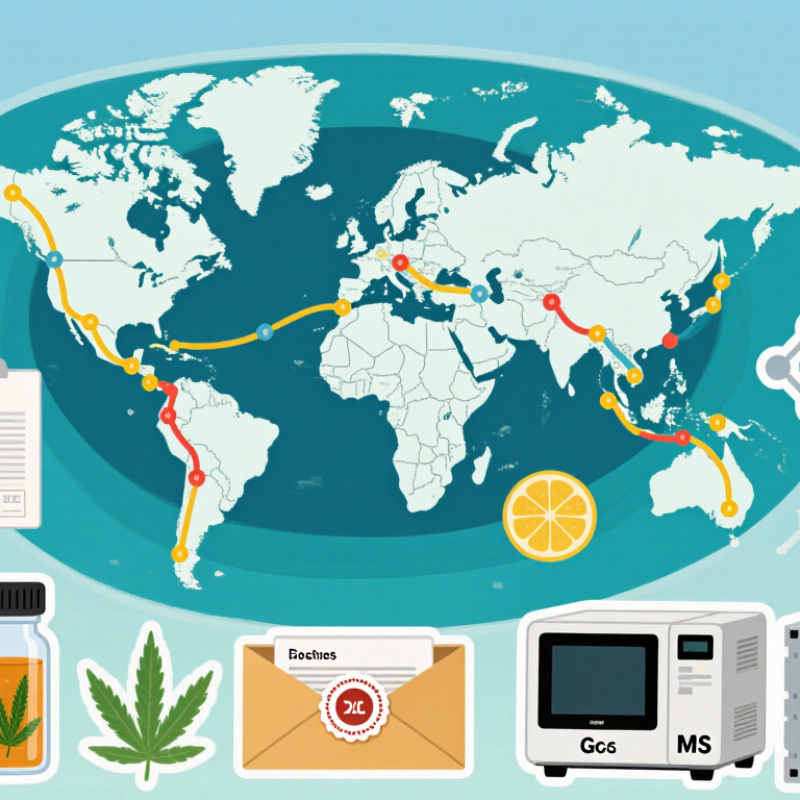
Global sourcing adds another layer. Import rules, labeling requirements, and permitted applications can differ by destination. A reputable supplier should provide accurate documentation without promising shortcuts. Independent legal and regulatory review remains wise, especially for consumer products. I have seen projects delayed by one missing customs description. It was avoidable, but not unusual. This guide examines supplier qualification, verification, logistics, pricing, and risk controls for 2026. It also questions assumptions: “natural” does not automatically mean safer, and a lower price may hide weaker testing. Reliable sourcing is not flawless. It is transparent, evidence-based, and willing to correct mistakes.
How to Source Hemp Terpenes Globally in 2026?

What Hemp Terpenes Are and Why Global Sourcing Matters in 2026

Hemp terpenes are naturally occurring aromatic compounds found in hemp plants. They help create familiar notes, such as citrus, pine, herbs, or earth. Terpenes are not cannabinoids. Their value comes from aroma, formulation flexibility, and consistent sensory performance. In compliant products, they may support flavor and fragrance development under applicable regulations.

Global sourcing matters more in 2026 because terpene profiles change with genetics, soil, climate, harvest timing, and extraction methods. A warm growing region may produce different aromatic ratios than a cooler one. This variation affects taste, smell, stability, and batch-to-batch consistency. Buyers should request botanical identity, country of origin, extraction details, and current technical specifications. Clear documentation builds trust.

Testing must be practical, not decorative. Independent laboratory reports should cover terpene composition, pesticides, heavy metals, microbial risks, and residual solvents when relevant. Safety data sheets and batch records also deserve close review. Country rules can differ sharply. A material accepted for one permitted application may require different documentation elsewhere. A spreadsheet can look complete and still hide a weak assumption. Suppliers should explain storage temperatures, packaging barriers, shelf life, and transportation controls. Small details matter, especially when shipments cross climates and customs systems. Global sourcing is therefore not simply about finding lower prices. It requires traceability, technical communication, and a willingness to reject unclear evidence. Some decisions remain uncertain. That uncertainty should be recorded, not quietly ignored.

How to Source Hemp Terpenes Globally in 2026?

Regulatory THC thresholds are an essential first-screening factor when sourcing hemp-derived terpenes across international markets.

Why global sourcing matters: Hemp terpenes are aromatic compounds such as myrcene, limonene, beta-caryophyllene and pinene. Their concentration and profile can vary with cultivar, geography, harvest timing, drying, extraction and storage. The chart shows selected regulatory THC ceilings used for low-THC hemp categories; it is a compliance reference, not a ranking of terpene quality. Suppliers should verify batch-specific certificates of analysis, cannabinoid content, contaminants, extraction method, traceability and destination-country requirements before purchase.

Reference basis: United States federal hemp definition; Health Canada industrial hemp requirements; European Union hemp rules for CAP-supported cultivation; Swiss Federal Office of Public Health low-THC cannabis threshold; Australian industrial hemp regulations. Thresholds may differ by product type, plant material, testing method and local jurisdiction, and should be rechecked before import or export in 2026.

How to Define Quality, Purity, and Product Specifications

How to Source Hemp Terpenes Globally in 2026?

Global sourcing starts with a precise specification, not a supplier’s attractive catalog. Grand View Research’s 2024 terpenes market assessment valued the broader market at about USD 836 million in 2023. That growth increases quality variation. Define the botanical source, extraction method, terpene profile, concentration range, appearance, odor, and storage temperature. Specify whether the material is natural, botanical, or synthetic. Do not accept “premium” as a technical term.

A reliable specification should require batch-specific testing from an ISO/IEC 17025-accredited laboratory. GC-MS can confirm identity and relative composition. HPLC testing can verify cannabinoid absence or trace levels against the destination market’s limit of quantification. Require tests for pesticides, heavy metals, microbial contamination, mycotoxins, residual solvents, and oxidation markers. USP General Chapter <467> provides a useful reference for solvent controls, but local rules may be stricter. One certificate is not enough.

Ask for stability evidence, sealed-sample retention, and chain-of-custody records. Check the lot number on every document. A clear amber bottle, nitrogen headspace, and cold storage can reduce oxidation, yet packaging alone proves nothing. I still question “99% purity” claims when the report only measures total terpene area. That number may hide unidentified peaks. Sourcing internationally also requires reviewing transport conditions, customs classifications, labeling rules, and destination-specific hemp definitions. Specifications should be reviewed annually. They can become outdated faster than expected.

Where to Find and Evaluate International Hemp Terpene Suppliers

How to Source Hemp Terpenes Globally in 2026?

Where to Find and Evaluate International Hemp Terpene Suppliers

International sourcing begins with a supplier map, not a marketplace search. USDA’s 2023 National Hemp Report recorded 21,079 harvested hemp acres in the United States. The figure suggests a broad, uneven raw-material base. Ask suppliers for the cultivation country, plant part, extraction method, lot size, and harvest date. Clear answers should arrive before requesting samples.

Evaluate suppliers through a small, repeatable laboratory workflow. Request a recent, lot-specific COA with GC-MS terpene identification, cannabinoid screening, pesticides, heavy metals, microbial limits, residual solvents, and water activity. Compare the COA with an independent laboratory result. ISO/IEC 17025 accreditation helps, but it does not replace sample testing. Check SDS files, allergen statements, transport documents, customs records, and destination-country requirements. Regulations differ across regions.

Look for three matching details: lot code, production date, and test date. Missing links deserve questions. A polished PDF can still hide oxidation, dilution, or poor storage. I once trusted aroma alone. That was weak evidence. Fresh pine notes do not prove identity. Store retained samples in dark, cool conditions, then retest after shipping. Grand View Research’s 2024 Terpenes Market report describes growing demand for traceable plant ingredients, but market growth does not prove supplier quality. International heat exposure may also change the profile. Use scored audits, not excitement.

How to Verify Compliance, Testing, Traceability, and Documentation

Global sourcing of hemp terpenes in 2026 requires more than comparing aroma profiles and prices. Each supplier should provide a clear legal status statement for the destination market. Requirements can differ between countries, regions, and product categories. Get local regulatory advice before placing an order.

Request a current certificate of analysis for every batch. The report should identify the sample, test date, laboratory, methods, and acceptance limits. Check identity, terpene composition, pesticides, heavy metals, microbes, and residual solvents where relevant. An ISO/IEC 17025-accredited laboratory adds confidence, but accreditation alone does not prove suitability. Contact the laboratory directly when results look incomplete or unusually polished.

Traceability should work backwards and forwards. The batch code on a sealed drum should match the invoice, production record, transport documents, and final specification. Record botanical source, harvest region, extraction process, storage temperature, seal numbers, and transfer dates. Keep the safety data sheet, allergen statement, origin declaration, customs paperwork, and change-control history together. Small gaps matter. A familiar supplier can still provide outdated documents, and a digital certificate can hide weak sampling. I have learned that verification is rarely a single check; it is a documented chain of evidence, reviewed again when the formula, route, or supplier changes.

How to Compare Costs, Logistics, Risks, and Long-Term Supply Options

Global sourcing of hemp terpenes in 2026 starts with a clear specification, not a low quote. Define botanical origin, target profile, concentration, carrier, and acceptable variation. Ask suppliers for batch-specific COAs, GC-MS chromatograms, pesticide screens, heavy-metal results, and residual-solvent data. These records show more than marketing language. They also reveal whether testing covers the exact lot you may receive. I would request a retained sample before approving a shipment. Small differences in pine, citrus, or floral notes can change a finished product’s sensory balance. Keep the intended use within applicable laws.

Compare landed cost, not invoice price. Include sampling, testing, insurance, freight, duties, storage, and possible disposal. Air freight may protect a small urgent order, while ocean freight often lowers unit cost for stable volumes. Light, heat, and oxygen can damage aromatic quality, so use sealed containers and temperature-aware handling. Confirm Incoterms, lead times, minimum order quantities, and customs paperwork in writing. A supplier with a lower price may create higher internal labor costs. I learned this after treating documentation as an afterthought.

For long-term supply, qualify at least two regions and one backup processor. Compare harvest calendars, extraction capacity, traceability, and continuity plans. Use a written quality agreement with change-notification rules, retest frequency, complaint handling, and recall procedures. Review performance quarterly. A three-year contract can improve planning, but it should not lock in vague specifications. I would reserve a small percentage for spot purchases, even when forecasts look reliable. Markets shift. Keep assumptions under review.

How to Source Hemp Terpenes Globally in 2026? — How to Compare Costs, Logistics, Risks, and Long-Term Supply Options

Illustrative 2026 sourcing comparison for hemp-derived terpene fractions, distillates, and formulated blends. Costs are planning ranges, not supplier quotations.
Source Region Typical Commercial Supply Indicative Bulk Cost
(USD/kg)
Typical Minimum Order Estimated Door-to-Door Lead Time Logistics Profile Regulatory and Documentation Considerations Main Supply Risks Long-Term Suitability
North America Hemp-derived terpene blends, botanical fractions, and customized formulations; generally strong analytical support. US$180–900/kg for standard commercial blends; premium purified fractions may exceed this range. 25–100 kg Domestic: 3–10 business days
Cross-border: 2–6 weeks
Reliable parcel and freight networks; temperature-controlled transport is usually optional but may be useful for oxidation-sensitive materials. Confirm hemp origin, THC compliance, SDS, COA, lot traceability, residual-solvent data, allergen statements, and destination-country import rules. Medium
Regulatory interpretation can vary by state, province, and importing country.
Strong
Good option for product development, responsive replenishment, and documented quality systems.
European Union Standardized terpene blends and refined botanical fractions with emphasis on batch documentation and food, cosmetic, or flavor-use classifications. US$220–1,000/kg, depending on purity, formulation, certification, and packaging. 25–100 kg Within the EU: 3–12 business days
Outside the EU: 2–6 weeks
Dense road and parcel networks; consolidated freight can reduce cost for palletized orders. Check the intended use, REACH status where applicable, CLP labeling, SDS, food or cosmetic requirements, THC limits, and import documentation. Medium
Compliance costs and classification may increase when the same material is sold for different applications.
Strong
Suitable for buyers prioritizing documentation, repeatability, and regional distribution.
United Kingdom Specialty terpene blends and small-to-medium commercial lots; often used for formulation and distribution into nearby markets. US$240–1,100/kg, excluding duties and destination taxes. 10–50 kg Domestic: 3–10 business days
International: 2–6 weeks
Efficient air and parcel services; post-Brexit customs procedures may add time for EU shipments. Verify customs classification, origin documents, THC controls, SDS, COA, and destination-specific product rules before shipment. Medium
Border paperwork and changing product classifications can create delays.
Good
Useful as a secondary source or for lower-volume, higher-documentation programs.
China and East Asia Large-scale botanical aroma materials, blended terpene systems, and contract manufacturing; hemp-derived status must be checked carefully. US$100–650/kg for standard blends; highly purified or specially documented materials cost more. 50–500 kg Air: 1–3 weeks
Ocean: 5–10 weeks
Competitive ocean freight for larger orders; air freight is faster but more expensive and more exposed to customs scrutiny. Confirm legal hemp origin, product identity, botanical source, THC testing method, pesticide and heavy-metal results, residual solvents, and export eligibility. High
Potential variability in documentation, classification, transit time, and batch consistency.
Conditional
Best for qualified, audited suppliers with locked specifications and independent testing.
India and South Asia Botanical terpene ingredients and custom blends; availability of compliant hemp-derived material varies substantially by jurisdiction. US$120–700/kg, with freight, testing, and compliance costs potentially material. 50–250 kg Air: 2–4 weeks
Ocean: 6–12 weeks
Ocean freight can be cost-effective for planned volumes; port congestion and transshipment may affect schedules. Confirm cultivation and extraction legality, export permits, THC controls, phytosanitary requirements where relevant, SDS, COA, and destination import approval. High
Source legality, documentation quality, monsoon-related disruption, and longer replenishment cycles require controls.
Conditional
Potentially attractive for diversified supply, but qualification should precede price negotiation.
Latin America Developing hemp and botanical-extract capacity; supply is more commonly project-based or regional than continuously standardized. US$160–850/kg, depending on local processing capability, export readiness, and purification level. 50–250 kg Air: 2–5 weeks
Ocean: 6–12 weeks
Freight routes and customs capability differ widely by country; buffer stock is advisable for imported programs. Check national hemp rules, export permissions, THC limits, agricultural documentation, pesticide controls, and destination-country requirements. High
Limited qualified capacity, uneven infrastructure, and policy changes may affect continuity.
Emerging
Worth monitoring as a diversification or regional-sourcing option.
Domestic or Regional Distributor Resold imported or locally stocked terpene blends with smaller order sizes and shorter delivery times. US$300–1,500/kg, reflecting inventory, testing, financing, and distribution margins. 1–25 kg 1–10 business days when stocked Lowest operational complexity; no international freight is required for stocked inventory. Request original manufacturer information where legally permissible, current COA, batch number, SDS, country of origin, and storage conditions. Medium
Higher prices, limited batch choice, and possible dependence on a single upstream source.
Strong for Launch
Suitable for trials, pilot production, and emergency replenishment; less attractive as the sole source at scale.

Cost interpretation: The ranges above are indicative planning bands for bulk terpene materials and can change materially with purity, concentration, certification, packaging, Incoterms, order size, testing, duties, taxes, and currency movements.

Recommended qualification gate: Compare at least three production lots using the same specification, including terpene profile, THC result, pesticide screen, heavy metals, residual solvents, microbial limits where applicable, oxidation indicators, and full chain-of-custody documentation.

Supply strategy: A balanced program commonly combines one qualified primary source, one independently qualified backup source, and regional safety stock sized to the longest realistic replenishment lead time.

Important: Hemp and cannabis-related rules differ by country and by intended use. Confirm legality and import requirements with qualified regulatory counsel or the relevant authority before placing an order.