What is Cbd Derivatives and Their Benefits in Wellness?
Cbd Derivatives have gained significant attention in recent years, particularly in the wellness industry. These compounds, derived from the hemp plant, are known for their potential health benefits. More people are exploring Cbd Derivatives as natural alternatives for managing stress, pain, and other wellness-related issues.
Research indicates that Cbd Derivatives may promote relaxation and enhance overall well-being. They come in various forms, including oils, capsules, and topicals. This versatility allows consumers to choose products that best fit their lifestyles. Yet, it is essential to approach these products with care and knowledge.
Understanding the science behind Cbd Derivatives can lead to informed choices. Not all products are created equal, and quality matters. There are instances of subpar formulations on the market, which can lead to skepticism. This calls for consumers to seek reliable sources and research-backed information. Identifying reputable brands is crucial for achieving desired wellness outcomes.

What Are CBD Derivatives and How Are They Made?
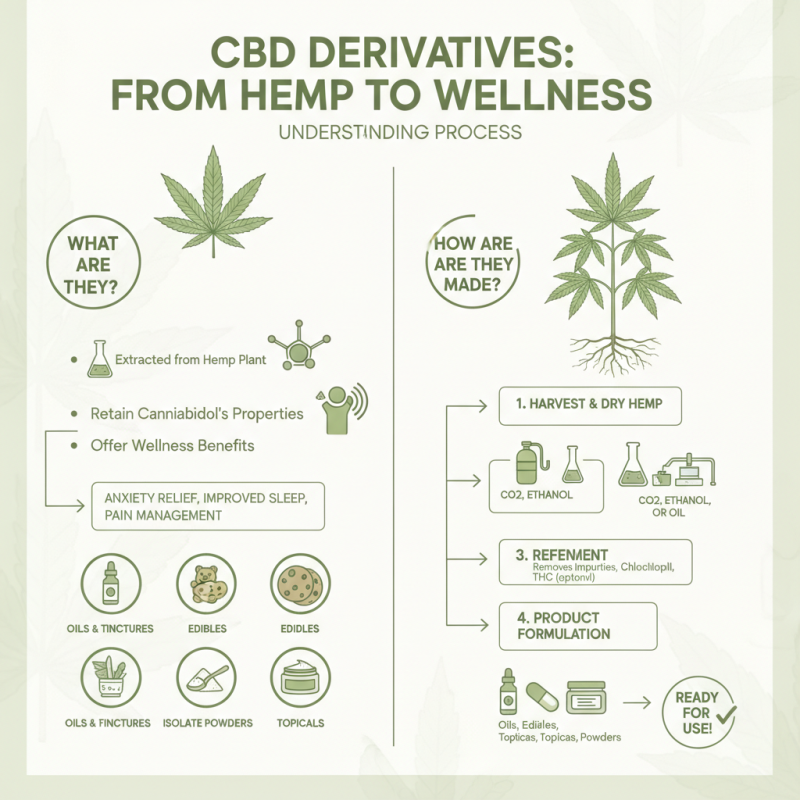
CBD derivatives are substances extracted from the hemp plant that retain the beneficial properties of cannabidiol. These derivatives include CBD oils, tinctures, edibles, and isolate powders. They offer various wellness benefits, such as potential relief from anxiety and improved sleep quality. Understanding how they are made is crucial in appreciating their use.
CBD is extracted from hemp using methods like CO2 extraction or ethanol extraction. During the CO2 process, carbon dioxide is used to isolate cannabinoids safely. This method ensures purity and potency, leading to high-quality products. However, variability in the hemp source can affect the end product.
Tips: Always research the extraction methods used in CBD derivatives. Look for products that provide lab testing results for better transparency. Not every product on the market meets stringent quality standards. It is essential to choose wisely. Each person's body reacts differently to these substances, so a bit of patience and self-reflection may be needed to find what works best.
The Different Types of CBD Derivatives Available Today
CBD derivatives are gaining popularity in wellness circles. These compounds, derived from the cannabis plant, come in various forms, each offering unique benefits. Common types include CBD oils, tinctures, edibles, and topicals. Each form has its applications, catering to different preferences and needs.
CBD oils are versatile and easy to use. They can be taken sublingually or added to food and drinks. Tinctures are similar but often come in smaller, concentrated doses. Edibles, like gummies and chocolates, provide a tasty way to consume CBD. Topicals, such as creams and balms, allow for targeted relief on sore muscles or skin issues.
Tips: When choosing a CBD product, consider your specific needs. Start with small doses to gauge your body's reaction. Listen to how your body responds before increasing your intake. Additionally, always opt for products that provide third-party lab results to ensure quality and purity. Each type of CBD derivative has strengths and weaknesses; understanding these can help you make informed choices.
Health Benefits of CBD Derivatives in Wellness Practices
CBD derivatives are gaining popularity in wellness practices. These compounds come from the cannabis plant, offering various health benefits without the psychoactive effects of THC. A significant focus is on how they influence overall well-being.
Many people report improved sleep quality when using CBD derivatives. This can greatly enhance daytime productivity and mood. Moreover, these compounds may help alleviate anxiety and stress. Studies suggest that they interact with receptors in our body, promoting a sense of calm and relaxation. These effects can lead to a more balanced lifestyle.
Tip: Start with a low dose and monitor your responses. Each body reacts differently, so patience is key.
Another promising area is pain relief. Many wellness enthusiasts use CBD derivatives to manage chronic pain and inflammation. These compounds may reduce discomfort, allowing for more mobility and better daily functioning.
Tip: Consider integrating CBD into your post-workout routine. It can aid recovery and reduce soreness.
Exploring CBD derivatives in your wellness journey may yield positive experiences. Keep in mind the importance of quality and potency when choosing products. Conducting personal research could lead to better outcomes tailored to your needs.
How to Incorporate CBD Derivatives into Your Daily Routine
Incorporating CBD derivatives into your daily routine can be simple and effective. Start by choosing a product type that suits your lifestyle. Options include oils, capsules, and topical creams. Each form offers unique benefits. For example, oils can be easily added to food or taken directly for quick effects. Topicals can provide targeted relief for sore muscles or skin issues.
Consider beginning your day with CBD in your morning coffee or tea. This small addition could help you maintain a sense of calm and focus throughout the day. Some people report improved productivity and reduced anxiety when using CBD. However, effects vary from person to person. It may take some trial and error to find the right dosage for your needs.
In the evenings, try using CBD to unwind. A topical cream on your shoulders or neck can alleviate tension. Alternatively, consider a relaxing bath with CBD-infused salts. While many people find these methods helpful, it's essential to listen to your body. Reflect on what works for you and adjust accordingly. Each person's journey with CBD is unique, and patience is key in discovering its full potential.
Safety and Legal Considerations Regarding CBD Derivatives
When exploring CBD derivatives, safety and legal considerations are crucial. CBD is derived from hemp and often contains less than 0.3% THC. This low THC content typically makes it legal in many regions. However, regulations vary significantly across countries and states. Users should research their local laws carefully. Even if CBD is legal, restrictions on its use may apply.
Manufacturing practices also play a role in safety. Not all products undergo rigorous testing. Consumers must seek products with third-party lab results. These tests ensure the product’s purity and potency. Reliable sources provide transparency about their manufacturing processes. This vigilance helps consumers avoid harmful contaminants. Questions about product origin should be common.
Ultimately, the journey of using CBD derivatives involves navigating complexities. While many embrace its benefits, challenges persist. Some experience unexpected side effects. Others find little relief from their symptoms. Understanding these nuances is vital. Users should consult healthcare professionals when considering CBD. This dialogue fosters informed decisions about wellness.