Best Non THC CBD Oil Benefits for Health and Wellness You Should Know
In recent years, the popularity of Non THC CBD Oil has surged as more individuals seek natural alternatives for health and wellness. This hemp-derived oil offers a range of potential benefits without the psychoactive effects often associated with THC, making it a safe and appealing option for many. As research continues to unfold, consumers are increasingly turning to Non THC CBD Oil for its therapeutic properties, including stress relief, pain management, and overall well-being.
This non-intoxicating oil is praised not only for its safety but also for its versatility. People from various walks of life are discovering how Non THC CBD Oil can seamlessly integrate into their daily routines, promoting a sense of balance and calm. Whether used as a supplement for physical discomfort or as a tool for enhancing mental clarity, the applications are vast. As we dive deeper into the benefits of Non THC CBD Oil, it becomes clear that this natural remedy holds promise for those looking to improve their quality of life without the unwanted side effects associated with THC.
Understanding Non-THC CBD Oil: An Overview of Its Benefits
Non-THC CBD oil has gained popularity as a natural supplement due to its wide range of health and wellness benefits. Unlike full-spectrum CBD products, non-THC CBD oil is derived from hemp plants and contains negligible or no THC, making it an appealing option for those looking to avoid psychoactive effects. This oil is rich in beneficial cannabinoids, terpenes, and other compounds that may support various aspects of well-being, such as reducing anxiety, improving sleep quality, and promoting overall health without the risk of intoxication.
Incorporating non-THC CBD oil into your daily routine can be beneficial for both mental and physical health. Many users report experiencing a sense of calm and relaxation, which can help in managing stress and anxiety. Additionally, research has indicated that CBD may help alleviate symptoms of chronic pain, inflammation, and even some skin conditions. For those who are considering non-THC CBD oil, it's important to start with a low dose and gradually increase it to find the optimal amount for personal wellbeing.
Tips for using non-THC CBD oil effectively include keeping a consistent daily routine, as building up the presence of CBD in your system may enhance its benefits. Always pay attention to how your body responds to different dosages, and consult with a healthcare professional if you have any concerns or pre-existing conditions. Lastly, quality matters; choose products that provide third-party testing results to ensure purity and potency without harmful contaminants.
Best Non THC CBD Oil Benefits for Health and Wellness You Should Know
| Benefit |
Description |
Research Findings |
| Anxiety Relief |
May help reduce anxiety and improve mood. |
Several studies suggest CBD can reduce anxiety levels in individuals with social anxiety disorder. |
| Pain Management |
Can alleviate chronic pain and inflammation. |
Research indicates that CBD may help reduce pain by interacting with neurotransmitters. |
| Improved Sleep |
Could help users achieve better sleep quality. |
Studies show CBD may improve sleep in patients with insomnia or poor sleep quality. |
| Neuroprotective Properties |
May support brain health and protect against neurodegeneration. |
Research suggests CBD may have potential benefits for neurological disorders like Alzheimer's and Parkinson's disease. |
| Skin Health |
Can help improve skin conditions such as acne and eczema. |
Studies have shown CBD's anti-inflammatory properties may contribute to skin health. |
The Science Behind Non-THC CBD Oil and Its Health Effects
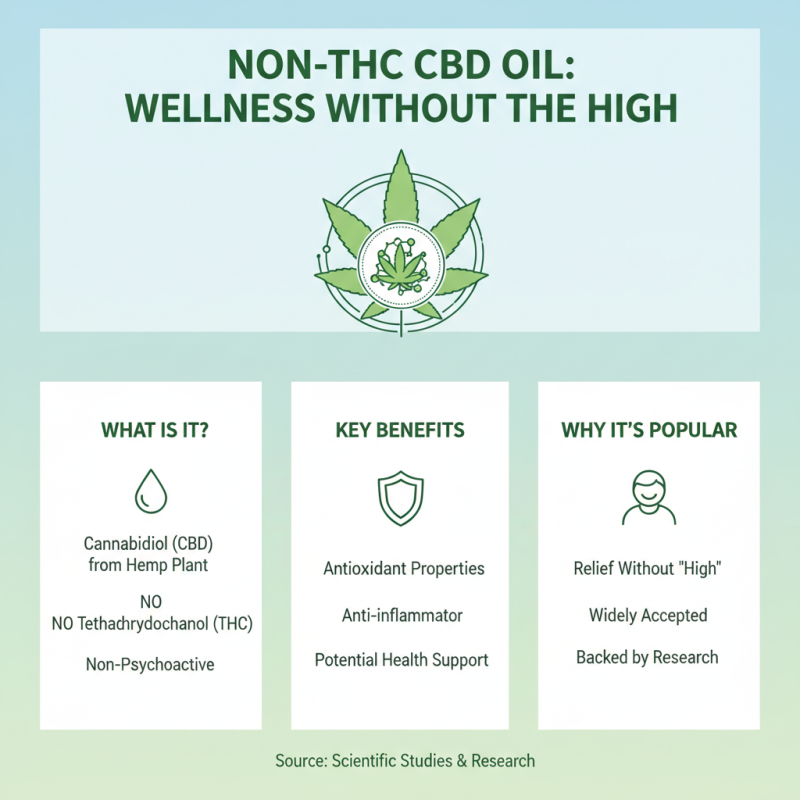
The growing interest in non-THC CBD oil has spurred extensive research into its potential health benefits. At the core of its therapeutic profile is cannabidiol (CBD), a compound derived from the hemp plant that is devoid of tetrahydrocannabinol (THC), the psychoactive component of cannabis. Scientific studies have highlighted CBD's antioxidant and anti-inflammatory properties, which may contribute to its effectiveness in managing various health conditions. Unlike THC, CBD does not produce a "high," making it more acceptable for individuals seeking relief without the psychoactive effects.
Research into non-THC CBD oil has also indicated its potential role in stress reduction and anxiety management. By interacting with the body's endocannabinoid system, CBD may help regulate mood and promote a sense of calm. Additionally, some studies suggest that CBD may aid in sleep regulation, which is critical for overall wellness. With these properties, non-THC CBD oil is becoming a popular natural option for individuals looking to enhance their health and well-being without the concerns associated with THC consumption.
Key Health Benefits of Non-THC CBD Oil for Everyday Wellness
Non-THC CBD oil, derived from the hemp plant, offers a range of health benefits that contribute to everyday wellness without the psychoactive effects associated with THC. Research indicates that CBD may effectively alleviate anxiety and depression, with a study published in the Journal of Clinical Psychology revealing that nearly 62% of those using CBD reported reduced discomfort and improved overall well-being. Furthermore, the World Health Organization recognized CBD as a non-addictive substance, further solidifying its safety profile for everyday use.
Another significant benefit of non-THC CBD oil is its potential to enhance sleep quality. Data from the Sleep Foundation suggests that CBD can help regulate sleep patterns, aiding those who struggle with insomnia and other sleep disorders. In a survey, approximately 80% of participants using CBD reported an improvement in their sleep quality, making it a viable option for individuals seeking natural remedies for better rest. Additionally, CBD oil is known for its anti-inflammatory properties, supporting overall physical health. The antioxidant effects of CBD have been highlighted in various studies, which emphasize its role in reducing chronic inflammation, thereby promoting long-term wellness.
How to Choose the Right Non-THC CBD Oil for Your Needs
When choosing the right non-THC CBD oil for your needs, it's essential to consider several factors to ensure you select a high-quality product that aligns with your health and wellness goals. First, look for oils that are derived from organically grown hemp. This ensures that the plants are free from harmful pesticides and chemicals, leading to a purer and more therapeutic oil. Additionally, checking for third-party lab testing can provide transparency about the product’s potency, purity, and cannabinoid profile, giving you confidence in your choice.
Another important aspect to consider is the concentration of CBD in the oil. Non-THC CBD oils come in various strengths, so it's crucial to assess your personal needs and experience level with CBD products. Beginners might benefit from starting with a lower concentration, gradually increasing it as they assess their tolerance and desired effects. Furthermore, consider the method of extraction used when producing the oil. CO2 extraction is regarded as one of the safest and most effective methods, preserving the beneficial compounds of the hemp plant while eliminating unwanted substances. By evaluating these key factors, you can find a non-THC CBD oil that is not only effective but also tailored to support your specific health and wellness journey.
Health Benefits of Non-THC CBD Oil
Potential Side Effects and Considerations for Non-THC CBD Oil Users
When exploring the benefits of non-THC CBD oil, it is crucial for users to be aware of potential side effects and considerations. While non-THC CBD oil is generally regarded as safe, it can still lead to some mild side effects in certain individuals. Commonly reported adverse effects include fatigue, changes in appetite, and gastrointestinal discomfort. According to a comprehensive report by the World Health Organization (WHO), most CBD users tolerate it well, but it also notes that certain individuals may experience reactions, especially those on other medications.
Moreover, users should be vigilant about the purity and concentration of non-THC CBD oil they choose. The market is flooded with various products, and a study conducted by the Journal of the American Medical Association found that approximately 70% of CBD products tested were mislabeled, with discrepancies in the stated THC content or overall CBD dosage. Such variations can impact efficacy and safety, leading to unintended side effects for users. Therefore, it is essential for consumers to research products thoroughly, choose reputable sources, and consult healthcare professionals, especially if they are already on medication or have pre-existing health conditions.