What are the Best CBD Derivatives for Global Buyers?
The global market for CBD derivatives is rapidly evolving. According to a recent report by Brightfield Group, the CBD market is expected to reach over $20 billion by 2024. This growth highlights the increasing demand for various CBD derivatives, ranging from oils to isolations. Experts emphasize the importance of quality and compliance in this sector. Dr. Sarah Lee, a leading CBD industry researcher, noted, "Understanding the right derivatives can significantly impact product efficacy and consumer trust."
While many buyers focus on products like CBD oil and edibles, other derivatives also show promising potential. The versatility of CBD derivatives allows for tailored applications in health, wellness, and beauty industries. However, consumers must navigate a complex landscape of products with varying qualities.
As the market expands, discrepancies in product sourcing and labeling may emerge. It's crucial for buyers to remain informed and skeptical. The CBD derivatives industry is not without its challenges. Consumers must weigh options carefully, considering both benefits and risks. Understanding what constitutes a high-quality product can significantly enhance consumer experiences and safety in a burgeoning yet uncertain market.
Understanding CBD Derivatives: Types and Benefits
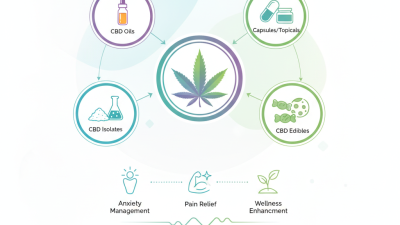
CBD derivatives are gaining popularity among global buyers due to their potential benefits. There are several types of these derivatives, each offering unique properties. Isolate, for example, contains pure CBD and no other cannabinoids. This form is favored for those seeking non-psychoactive effects. On the other hand, full-spectrum CBD includes various cannabinoids, which may create an entourage effect. Users report enhanced benefits, potentially improving overall wellness.
There are also broad-spectrum derivatives that fall between the two. They contain multiple cannabinoids but lack THC. This makes them suitable for people who want to avoid THC. Additionally, CBD can be found in oils, edibles, and topicals. Each method delivers CBD differently. Oils are absorbed quickly, while edibles may take longer to take effect.
Sourcing quality CBD derivatives can be a challenge. Many products on the market lack transparency and proper testing. Buyers should seek products that undergo third-party lab tests. This ensures that they are safe and contain the claimed levels of CBD. It’s essential to reflect on personal needs when choosing a derivative. Each user’s experience may vary, and the best choice often comes down to individual preferences and lifestyle.
What are the Best CBD Derivatives for Global Buyers? - Understanding CBD Derivatives: Types and Benefits
| CBD Derivative Type |
Main Benefits |
Common Uses |
Legal Status (Global) |
| CBD Oil |
Pain relief, anxiety reduction |
Tinctures, edibles, topicals |
Legal in many countries; check local laws |
| CBD Isolate |
No THC, pure CBD |
Powders, capsules, cooking |
Widely legal; pure form |
| Full-Spectrum CBD |
Entourage effect, multiple cannabinoids |
Oils, topicals, capsules |
Legal with less than 0.3% THC |
| Broad-Spectrum CBD |
No THC, retains other cannabinoids |
Oils, edibles, topicals |
Legal in many regions; THC-free |
| CBD Gummies |
Convenient, tasty, precise dosing |
Snacking, on-the-go use |
Legal in various forms; check local guidance |
Key Factors for Choosing CBD Derivatives for Global Markets
When choosing CBD derivatives for global markets, several key factors deserve attention. Quality is paramount. Look for products with comprehensive lab testing. Transparency in sourcing is also critical. Knowing where and how the hemp is grown can influence the final product's effectiveness.
Another important aspect is the method of extraction. CO2 extraction is often regarded as the gold standard. It preserves cannabinoids without harmful solvents. Moreover, consider the derivative form. Oils, edibles, and topicals all serve different purposes. Understanding customer needs can guide the selection process.
Regulatory compliance is complex and varies by region. Buyers must stay informed about local laws. Missteps can have serious implications. Additionally, it's worth noting that not all CBD derivatives are created equal. Some products may promise much but deliver little. Researching reputable suppliers can mitigate risks. Balancing quality and cost is often challenging but essential. This nuanced approach can lead to successful market entry.
Top CBD Extracts: Isolate, Full-Spectrum, and Broad-Spectrum Explained
When exploring CBD derivatives, three main types emerge: isolate, full-spectrum, and broad-spectrum. CBD isolate is the purest form, containing 99% pure CBD. Users seeking to avoid THC altogether often choose this option. Despite its high purity, some studies suggest that it may lack the synergistic benefits of other compounds found in hemp.
Full-spectrum CBD includes all cannabinoids present in the hemp plant, including trace amounts of THC, typically below 0.3%. Research indicates that the presence of multiple cannabinoids may enhance an effect known as the "entourage effect." A report from the Journal of Clinical Psychology notes that full-spectrum extracts can provide greater relief for anxiety and pain compared to isolates. This might make full-spectrum products more appealing to those seeking holistic benefits.
Broad-spectrum CBD bridges the gap between isolate and full-spectrum. It contains multiple cannabinoids but does not include THC. This option caters to consumers who want the benefits of various cannabinoids without the psychoactive effects. A survey published by the Brightfield Group reveals that over 70% of CBD users prefer broad-spectrum products for their balanced effects. This growing trend reflects the buyers' desire for comprehensive product choices.
Best CBD Derivatives Overview
This chart illustrates the popularity percentage of different CBD derivatives among global buyers. CBD Isolate is the most favored, followed by Full-Spectrum CBD and Broad-Spectrum CBD.
Regulatory Considerations for CBD Derivatives Worldwide
Regulatory frameworks for CBD derivatives vary widely across the globe. In the United States, for example, the Farm Bill of 2018 legalized hemp-derived CBD, but states still impose additional regulations. Some countries, like Canada, have well-defined guidelines, while others remain ambiguous. This lack of consistency can be frustrating for global buyers. Navigating these regulations requires careful research and understanding.
Safety and quality standards play crucial roles in regulatory considerations. Different countries have unique testing requirements for CBD derivatives. Buyers should ensure that products meet these safety standards. In some regions, third-party testing is mandatory. This may protect consumers from harmful contaminants but can complicate supply chains. Regulatory bodies frequently update guidelines, making it necessary for buyers to stay informed.
Additionally, market trends can affect regulations. Growing consumer interest in CBD derivatives may prompt changes in legislation, either tightening or loosening these rules. Businesses involved in international trade must adapt quickly. They should develop strategies to comply with evolving regulations. The dynamic nature of CBD regulation underscores the importance of having experienced professionals on hand to guide these efforts.
Market Trends and Future Prospects for CBD Products Globally
The global market for CBD products is rapidly evolving. Trends indicate a growing demand for CBD derivatives, driven by increasing consumer interest in health and wellness. Countries are exploring the potential of CBD in various forms. Oils, tinctures, and edibles remain popular, but topical solutions are also gaining attention. Buyers look for quality and consistency in products.
Engaging with reputable suppliers is crucial. Consumers should verify the source of the CBD. Transparency in sourcing often leads to better quality products. Lab testing results can provide reassurance of purity and potency. This knowledge empowers buyers to make informed decisions.
While the market expands, challenges persist. Not all regions have clear regulations. This ambiguity can lead to confusion among buyers. Understanding local laws can mitigate risks. Staying updated on regulatory changes is essential for any potential buyer. As the market matures, adaptability will be key for both consumers and suppliers.